
The Story Hastings Tells Himself
CurtainHastings repeatedly constructs emotionally satisfying explanations from partial facts, then must revise them when Poirot's account exposes the people and motives he missed.
increasing Bearing strength in each event
 decreasing
Bearing strength in each eventdecreasingThe Old Styles Story

Memory as a Personal Narrative
A golden past imagined
Hastings remembers his first stay as a time when life seemed to begin and friendship changed him. The story gives meaning to his return after bereavement.
The past corrected by Poirot
Poirot later reminds him that the old days included wounds, exile, and unhappiness. Hastings's memory is sincere but shaped by longing rather than a full accounting of experience.
The Villain He Expects

Allerton Fits the Role
A familiar moral category
Hastings sees Allerton as a charming scoundrel and suspects him of being X. He reads the man's bad reputation as a clue to the mysterious murders.
A true fact misapplied
Allerton is genuinely unscrupulous, but he is not the hidden instigator. Hastings's dislike makes him vulnerable to a story that later persuades him he must protect Judith by killing.
The Daughter He Misreads

Concern Becomes Certainty
A father fills in gaps
Hastings interprets Judith's meetings and kisses with Allerton as proof she loves him. He hears an overheard plan and assumes it confirms a future rendezvous.
The real attachment unseen
Judith actually loves Franklin and is using Allerton as distraction. Hastings cannot see the distinction because he has converted fear into a complete narrative.
The Suspect He Cannot Imagine
Looking Past the Obvious
A locked-room conclusion
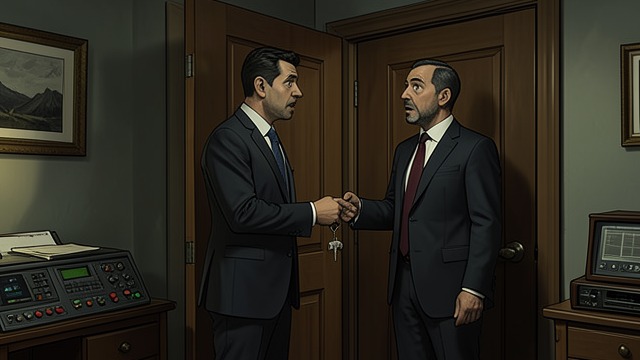
Hastings accepts the room's apparent suicide arrangement, even though Poirot rejects it. He does not immediately connect the death to the friend who has just left him.
A clue ignored
Poirot had questioned whether Hastings saw Norton's face and had discussed the duplicate key. Hastings remembers the details but fails to combine them into a suspicion of Poirot.
The Final Self-Correction
Recognizing What Was Always Visible
A wound becomes a clue
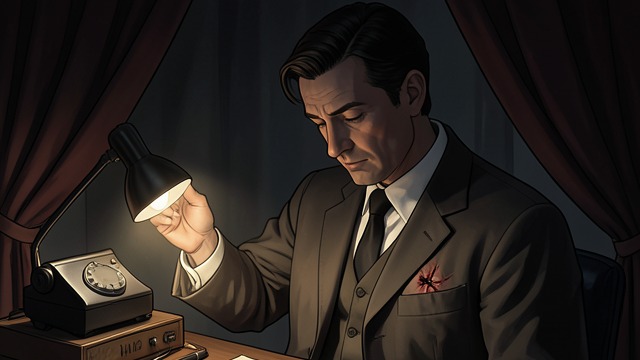
Hastings finally understands that Norton's perfectly centered wound pointed toward Poirot. The mark had been present when he first saw the body, but he did not know how to read it.
A character revealed
Poirot says Hastings believed what was said and trusted appearances because of his generous nature. Hastings accepts the rebuke, ending not as a triumphant detective but as a grieving friend who sees his own limits.
On the journey before Hastings reaches the house
At dinner on the first evening
During Hastings's confrontation with Judith
After the police call Norton's death suicide
At the manuscript's final page
