
Two Marriages Under Strain
CurtainThe Luttrell and Franklin marriages expose very different forms of dependence, resentment, loyalty, and the possibility of a new beginning.
increasing Bearing strength in each event
 decreasing
Bearing strength in each eventdecreasingThe Luttrells' Unequal Household

A Marriage of Friction
A public imbalance
Daisy Luttrell manages the guest house while George appears anxious and deferential. Her sharp voice and business sense make the household's power imbalance visible to guests.
The old affection beneath it
The couple's quarrels encourage the idea that George might wish her dead. Hastings initially sees their daily hostility more clearly than their history of attachment.
A Shot and Its Aftermath
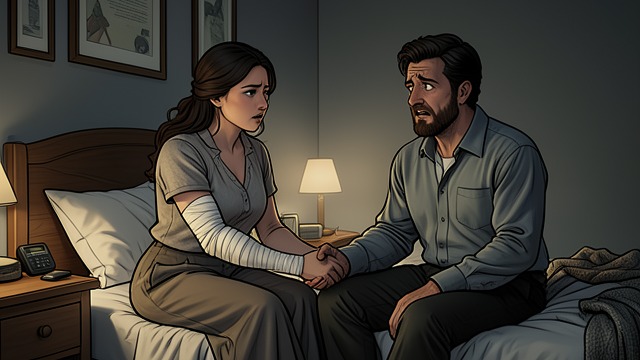
Injury Reveals Affection
Suspicion after the shot
George's rifle wounds Daisy just after a humiliating argument, making an intentional shooting seem possible. Allerton and Boyd Carrington voice the suspicion that the event could be convenient for George.
Devotion at the bedside
Daisy asks for her husband, and George's fear and relief appear genuine. Their tender meeting makes Hastings ashamed of his suspicions, though Poirot sees how the apparent accident fits Norton's design.
The Marriage Becomes Gentle
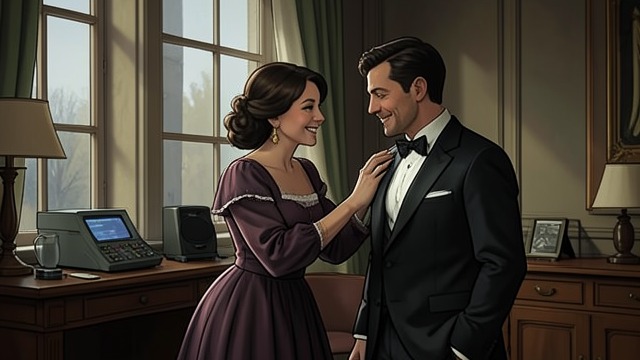
Quarrels Revisited
A softer public face
Daisy teases George without cruelty, and he responds with open fondness. Their ease contrasts with the earlier humiliation that helped make the rifle scene dangerous.
A warning against appearances
The improvement reminds the household that conflict does not erase love. Poirot's later explanation shows that Norton exploited both the real grievance and the observers' assumption that grievance meant murderous intent.
The Franklin Marriage's Burden
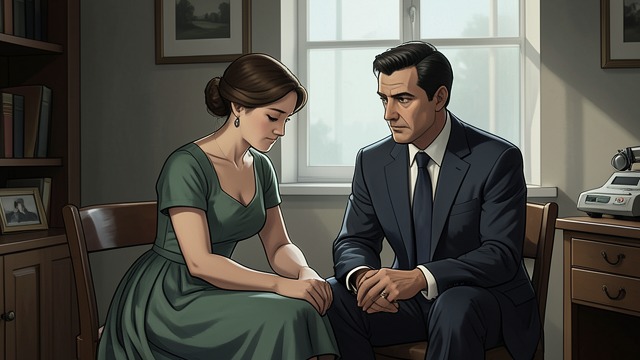
Dependence and Resentment
A constrained career
Barbara's poor health is said to have kept Franklin from accepting work in Africa. She describes herself as a burden, while others suspect she uses illness to control attention.
Two readings of the same marriage
Franklin is attentive in public but privately admits that he no longer loves his wife and feels relieved by her death. The gap between performance and feeling complicates every early judgment about the couple.
Judith and Franklin's Future

A New Partnership
From work to marriage
Judith reveals that she will accompany Franklin to Africa not as his assistant but as his wife. Their relationship, previously hidden beneath his brusque manner and her disciplined reserve, comes into the open.
A future under suspicion
Hastings fears their possible involvement in Barbara's death, but Poirot's account absolves them. Their marriage promises shared work and independence rather than the social comfort Barbara had hoped to obtain.
During Hastings's first evening at Styles
The evening Daisy is shot in the garden
The afternoon after Daisy's recovery begins
Before Barbara's death, during conversations about her health
After the funeral, when Judith announces her plans
