
Judith's Moral Doctrine
CurtainJudith's abstract defense of ending supposedly useless lives becomes a dangerous vulnerability when Norton turns her ideals and concealed love into pressure.
increasing Bearing strength in each event
 decreasing
Bearing strength in each eventdecreasingA Debate About Mercy

Murder as Release
A disturbing defense
Judith argues that Margaret Litchfield acted bravely by killing a tyrannical father and setting her sisters free. She rejects the idea that the act was simply selfish or mad.
A principle taking shape
Her language suggests that she sees killing as potentially justified when it serves others. Hastings is alarmed, but he does not yet understand how deeply the idea reflects Judith's own emotional conflicts.
The Euthanasia Argument
Responsibility for a Life
Judith's claim
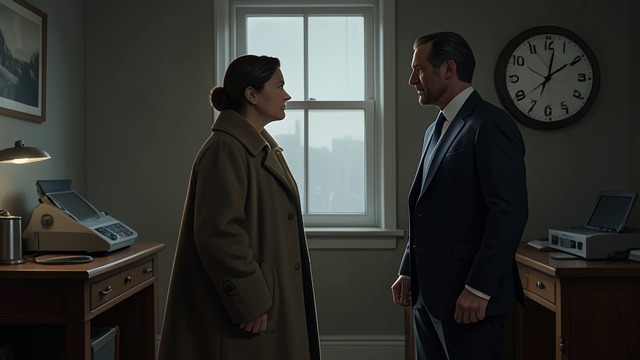
Judith argues that a loving person may need to make the decision a suffering, weakened patient cannot make. She says the responsibility is more important than fear of punishment.
A challenge disguised as debate
Norton dismisses her as someone who would not have the courage to act, while Boyd Carrington affirms her strength. Poirot later recognizes the exchange as psychological groundwork, not harmless theory.
Useful and Useless Lives

An Impersonal Ideal
A dangerous distinction
Judith says that lives making no contribution should be ended painlessly. She insists that any decision must be selfless and free of personal motive.
The hidden contradiction
Her insistence that private desire can be separated from moral judgment creates an opening for manipulation. Norton can use the language of public good to obscure a personal longing Judith herself refuses to acknowledge.
The Franklin Triangle
A Desire Beneath the Principle
The unspoken obstacle
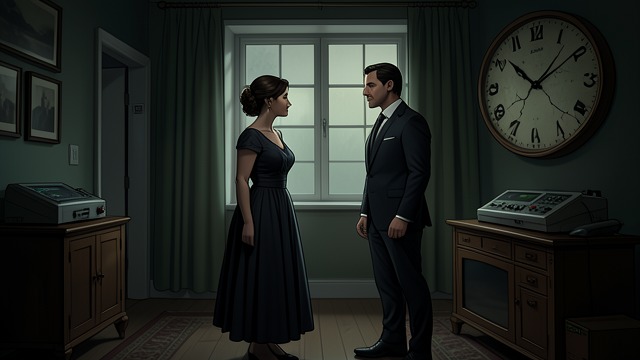
Judith loves Franklin, but he remains married to Barbara and is committed to his work and personal code. Judith's belief about useless lives gives Norton a plausible way to describe Barbara as an obstacle without naming Judith's desire.
Pressure without a direct order
Norton does not need to tell Judith to kill. He mocks her courage and lets her ideals, affection, and frustration press against one another until the decision appears to belong to her alone.
A Death That Misses Its Intended Target
The Principle Meets Consequence
A switched cup
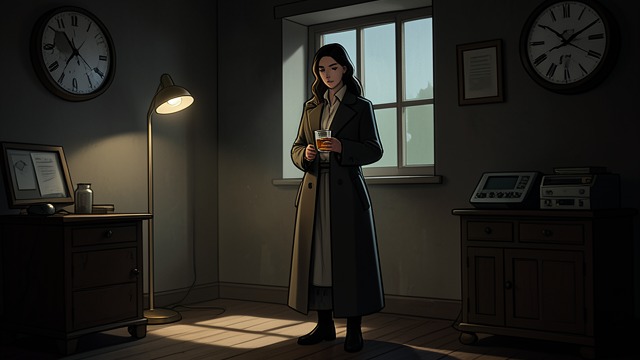
Barbara intends to poison Franklin with Calabar-bean alkaloids, but the cups are exchanged while the others watch shooting stars. Hastings's distraction at the bookcase helps conceal the switch.
An ideal becomes lethal
Barbara drinks the poison herself and dies. The outcome prevents the intended murder but does not make the plan harmless; it exposes how moral certainty can coexist with a willingness to kill.
During Judith's first garden conversation about the Litchfield case
Before Barbara's death, in conversation with Norton and Boyd Carrington
At the end of the euthanasia discussion
After Norton learns Judith's feelings for Franklin
The night Barbara drinks the poisoned coffee
