Berlin
Dark Lies the IslandBerlin is the setting for Patrick and Silvija’s intense but temporary relationship, and for a summer of photographic work shaped by the city’s changing neighborhoods. The city offers them a shared artistic life, yet neither that collaboration nor their intimacy becomes a lasting home for Patrick.
The City and Its Changing Quarters
By 2005, Berlin’s designers had mostly lived and worked in Prenzlauer Berg, but the neighborhood was changing. Bohemian bourgeois arrivals from across five continents sought inexpensive lofts and excellent childcare, and gentrification spread through old tenements and squares. Silvija called the newcomers breeders; the fashion crowd regarded their arrival with dismay and moved north toward Wedding, where many of that summer’s serious photo shoots took place.
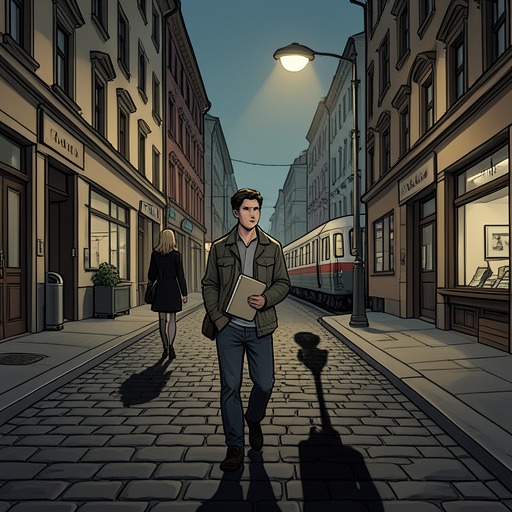
The city’s geography becomes part of the pair’s working routine. They cross Bremenstrasse, drink bottles of pils bought at a corner shop, and stop on the rough hilltop in Mauerpark. There, sharing an earpiece, they listen to Nina Simone’s version of “Lilac Wine” and look out over Berlin. Their route connects working neighborhoods, everyday commerce, and a brief pause above the city, while the contrast between Wedding’s perceived risk and the newcomers’ comfortable search for childcare makes urban change visible in their surroundings.
Photography and Artistic Work
Silvija considers herself Berlin’s most brilliant fashion photographer, although her work brings little reliable income: the magazines she contributes to often fold after one or two issues, and Vogue is unlikely to call. Her approach rejects the straightforward product image. Asked to photograph a fashionable ankle boot, she would frame only its sole, blurred, as a model in latex knickers and high heels kicks toward the camera in an alley strewn with glass.
When Patrick objects that the boot is not really visible, Silvija answers, “I do not photograph the motherfucking boot, Patrick. I photograph the motherfucking life!” Her declaration makes their creative difference explicit: commercial fashion commissions may request an object, but she turns the assignment toward a broader, less polished view of life. The work’s unconventional energy does not resolve its economic insecurity; artistic conviction and precarious publication remain side by side.
Patrick and Silvija’s Summer
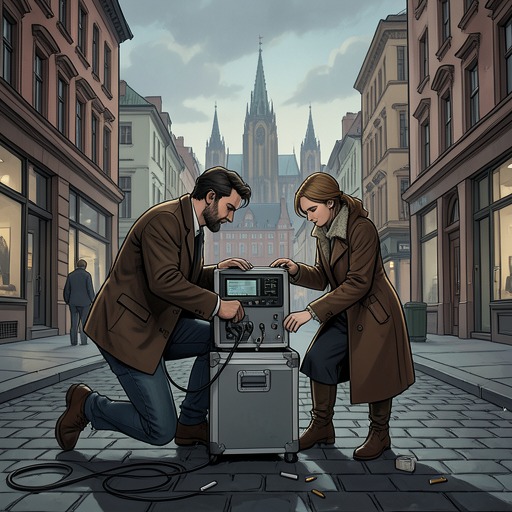
The Berlin passage is framed as Patrick’s recollection of a summer with Silvija, a photographer whose kiss is described as only one of her gifts to him. Their time together combines intimacy with shared work and movement through the city. Patrick carries the photographic equipment while Silvija strides ahead; they drink pils, eat rarely, and listen together in Mauerpark. These details show a partnership organized around her work and their close daily proximity, without making that closeness permanent.
When Silvija tells Patrick that he needs to find a life of his own, he responds angrily that she needs to see a doctor. The exchange marks their separation rather than a reconciliation. Patrick feels rejected and lost in the city without her, becomes depressed, and stays for a time with other artists in Mitte. By contrast with Silvija, he finds them as if they were merely playing roles, and he eventually decides that the summer has ended and that it is time to leave.
Departure and Aftermath
Silvija comes to the station on the morning Patrick leaves for the airport. She hugs him awkwardly and immediately withdraws from the embrace, while saying that she will email and that he can call. Patrick’s account then gives the promise a long silence: over six years she does not answer his emails or calls, and after a few months the phone line is dead.
He allows for uncertainty, noting that Silvija changed phones often, and insists that he must believe she is still somewhere among Europe’s cities. His imagined possibilities include Trieste, Zagreb, and Belgrade. Berlin thus remains bound to a summer of artistic companionship and romantic closeness, but the departure fixes its limit: Patrick leaves, Silvija does not resume contact, and his account preserves her as an absent, unresolved figure.