Mauerpark
Dark Lies the IslandMauerpark is the Berlin setting for a pivotal conversation between the narrator and Silvija: from its hilltop, they look across a city whose fashionable identity is changing, and Silvija raises the possibility of leaving the place she has called home for ten years. The park makes urban change intimate, turning a shared pause during a working day into a moment of unease about their future together.
Setting and the walk
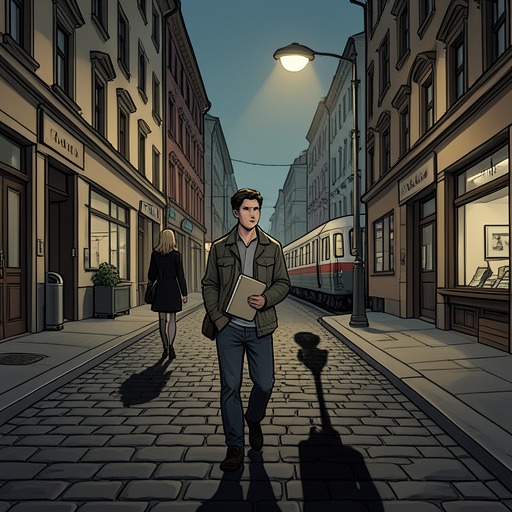
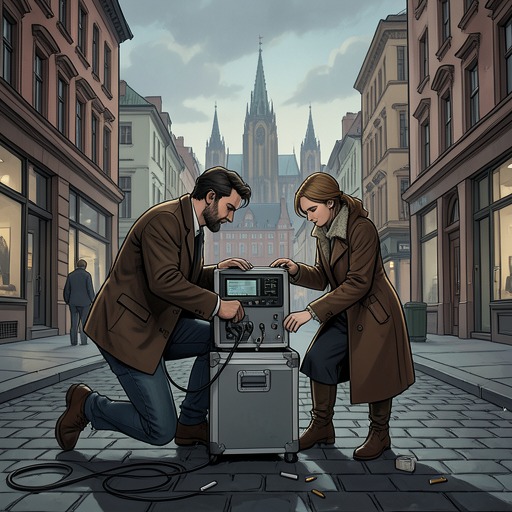
In the summer of 2005, the narrator and Silvija travel north from Prenzlauer Berg into Wedding, where much of their photography work is taking place. They stop at a corner shop for pils, cross Bremenstrasse, and pause on the scraggy hilltop at Mauerpark before heading to a shoot. The narrator carries the equipment while Silvija walks ahead; they share an earpiece and listen to Nina Simone’s version of “Lilac Wine” as they look out over the city.
A city losing its novelty
The scene is framed by rapid change in Berlin. Designers had previously lived and worked mostly in Prenzlauer Berg, but by 2005 newcomers were arriving for inexpensive lofts and childcare, and gentrification was spreading through the old tenements and squares. The fashion crowd, dismayed by the newcomers, had begun moving north into Wedding, treating its riskier reputation as a draw for photo shoots. Silvija predicts that the neighbourhood’s moment will last only six months. The narrator, newly arrived from Cork, has adopted the languid disaffection of Berlin’s old hands, joining Silvija in the familiar complaint that a fashionable city is no longer as fashionable as it once was.
The conversation and its personal stakes
Against this public performance of urban weariness, Silvija speaks seriously for the first time about leaving Berlin behind. The narrator reacts with a sharp wave of nausea, revealing how much the prospect unsettles them. Silvija immediately qualifies the possibility: she says there is no need to worry, because she will not leave for a while yet. The exchange makes Mauerpark more than a scenic pause; it is where an abstract complaint about a city’s changing character becomes a concrete question about whether the pair’s shared life there will continue.
Narrative significance
The park scene brings together the chapter’s urban and intimate concerns. The city is changing through gentrification and the movement of its creative crowd, while the narrator and Silvija negotiate their own attachment to Berlin. Their shared music and view establish a moment of closeness, but Silvija’s remark opens a possible future departure; her reassurance delays that change without resolving it. Mauerpark thus anchors a quiet turning point in which belonging is felt as both a habit of looking down on the city’s newcomers and a fear of losing the life built there.