
Work, Wealth, and the Estate
Dead SoulsThis theme contrasts passive possession, speculative schemes, and disciplined agricultural work as rival ideas of prosperity and responsibility.
increasing Bearing strength in each event
 decreasing
Bearing strength in each eventdecreasingManilov’s Unused Estate
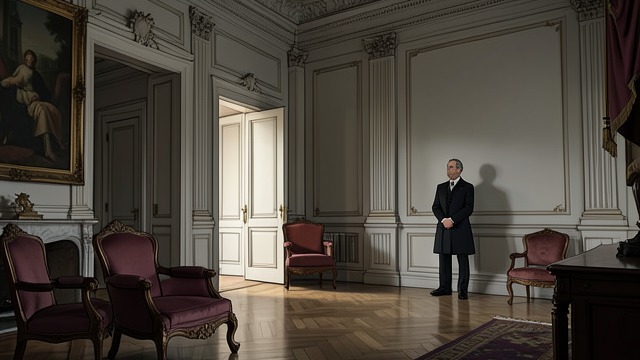
Manilov’s Unused Estate
Dreams Without Execution
Manilov imagines bridges, shops, and a grand life with a friend, but does not turn his plans into work. His estate is left to manage itself.
Comfort Without Care
The household has beautiful furnishings alongside unfinished rooms and neglected responsibilities. The contrast suggests that property alone does not create order or well-being.
Sobakevitch’s Material Strength
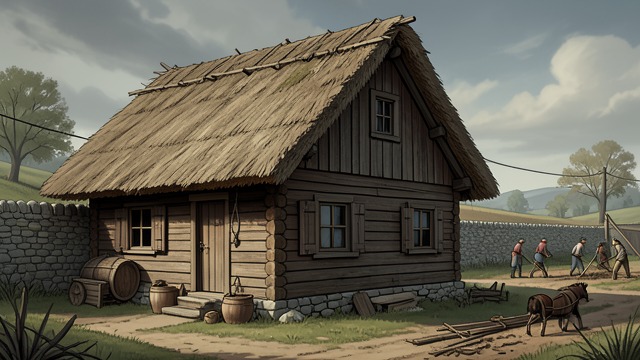
Sobakevitch’s Material Strength
Durability in the Estate
Sobakevitch’s buildings, furnishings, and peasant huts are solidly made. His household expresses an interest in practical strength and material endurance.
People as Commodities
He praises dead workers by their trades and bargains hard over their names. Practical respect for skill coexists with treating the deceased as saleable inventory.
Kostanzhoglo’s Working Ideal
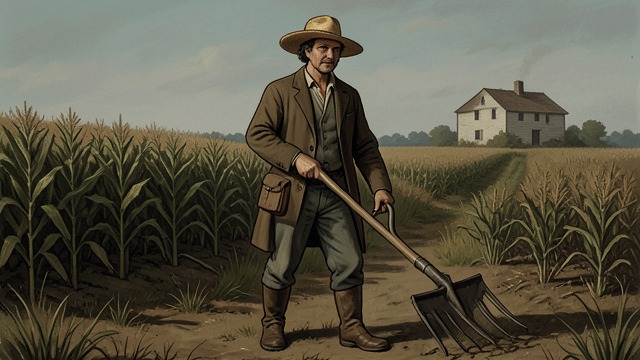
Kostanzhoglo’s Working Ideal
Production Through Attention
Kostanzhoglo explains how soil, timber, crops, and useful by-products can support one another. His prosperity comes from close observation and sustained labor rather than decorative schemes.
A Moral Account of Wealth
He sees successful husbandry as a responsibility that provides work and sustenance. Chichikov hears this account as both practical instruction and a possible route to his own fortune.
Khlobuev’s Waste

Khlobuev’s Waste
A Land Left Untended
Kostanzhoglo points to unplanted fields, flooded pasture, and ravines that could be put to use. The estate’s resources are not converted into security for its inhabitants.
Neglect Shared Below
The peasants’ huts and daily lives show the same disorder as the owner’s finances. The estate’s decline is not merely a personal embarrassment but a material condition affecting others.
Labor as Redemption
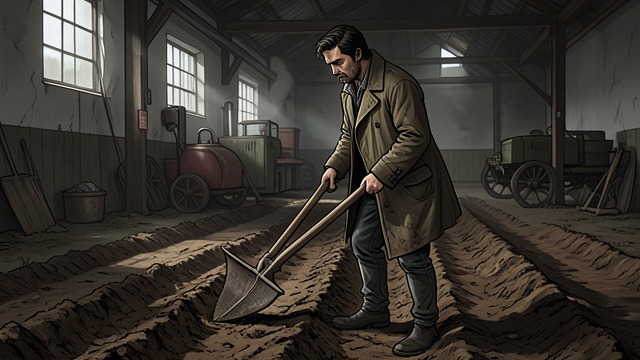
Labor as Redemption
A Different Use of Persistence
Murazov tells Chichikov that the patience and will he devoted to acquisition could be turned toward useful work. He argues that repeated good action can cultivate a sincere moral disposition.
An Unfinished Practice
Chichikov promises to become a responsible landowner, but the later narrative shows his old appetites returning. Labor is presented as a possible ethical discipline, not an automatic guarantee of change.
During Chichikov’s first estate visit
During Chichikov’s visit to Sobakevitch
During Chichikov’s stay at Kostanzhoglo’s estate
During the inspection of Khlobuev’s estate
During Murazov’s prison counsel
