
The Unfinished Promise of Part II
Dead SoulsThis theme traces the surviving second part’s competing visions of moral improvement and shows how the unfinished manuscript leaves their claims in tension.
increasing Bearing strength in each event
 decreasing
Bearing strength in each eventdecreasingAn Ideal Landscape
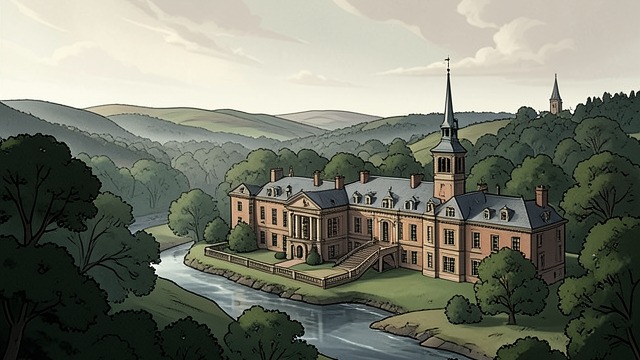
An Ideal Landscape
A Sheltered Estate
Tientietnikov’s estate is introduced as a magnificent landscape of hills, woods, river, and village church. Its beauty suggests a world capable of supporting renewal.
A Human Contradiction
The proprietor lives lazily amid the very abundance that might inspire useful work. The contrast between scenery and conduct makes the estate an image of unrealized possibility.
The Dream of Improvement
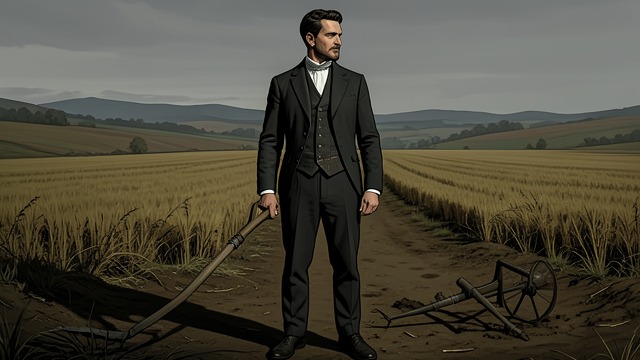
The Dream of Improvement
Reform as Responsibility
Tientietnikov returns from government service believing that he should care for the people and land entrusted to him. His decision arises from an ideal of direct stewardship.
Goodwill Without Expertise
The reforms falter because he lacks practical knowledge and cannot earn the peasants’ trust. The episode questions whether moral intention alone can overcome entrenched habits and unequal social relations.
The Model of Management
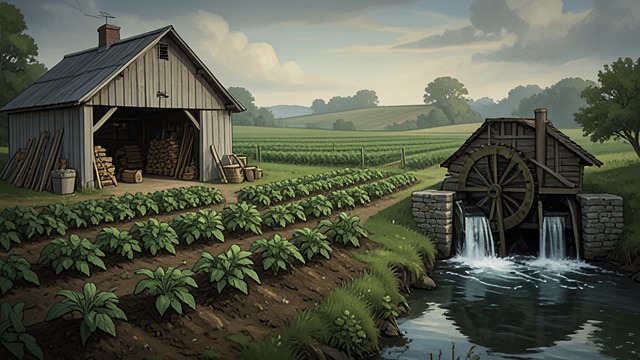
The Model of Management
Integrated Production
Kostanzhoglo describes a cycle of planting, harvesting, storage, and manufacture in which even refuse can be put to use. His estate appears productive because observation and work connect one season to the next.
A Moral Ideal in Practice
He presents labor as participation in creation and as service to the people whose work sustains the estate. Chichikov hears both a practical model and a promise of wealth.
Relief Through Service
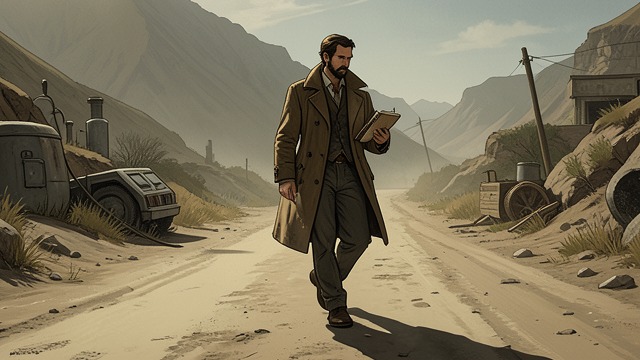
Relief Through Service
Work Beyond Self-Interest
Murazov offers Khlobuev the task of collecting alms for a church, connecting travel and record-keeping with service to others. The proposal treats work as spiritual discipline as well as practical employment.
A Possible Change
Khlobuev accepts, and the decision gives him renewed hope. His intended mission stands against the idle patterns that have shaped his life, though its outcome is not shown.
The Manuscript Breaks Off
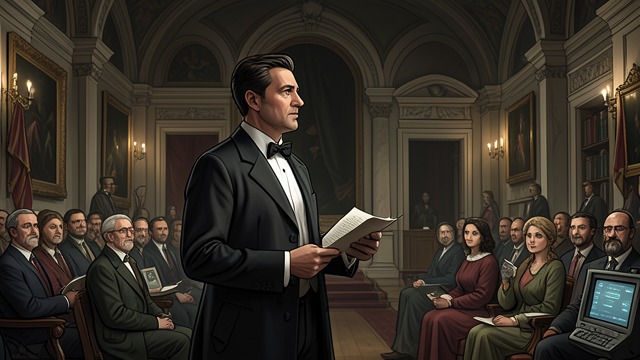
The Manuscript Breaks Off
A Public Appeal
The Governor-General addresses officials about corruption, responsibility, and the need to rescue the country through collective effort. His appeal widens the narrative from individual schemes to civic and national obligations.
No Resolution Supplied
The manuscript ends in the middle of the speech. Chichikov’s future, the officials’ response, and the proposed moral renewal remain open, preserving the tension between reform and relapse.
At the opening of Part II
During Tientietnikov’s return to the estate
During Chichikov’s visit to Kostanzhoglo
During Murazov’s proposal to Khlobuev
At the abrupt end of the surviving Part II
