“The comic is hidden everywhere”
Dead Souls“The comic is hidden everywhere” is Gogol’s account of comedy as a way of seeing: absurdity already inhabits ordinary life, but art makes people perceive what habit has concealed. In Dead Souls, the maxim describes both the book’s comic method and its unsettling reach, as laughter at provincial oddities gives way to a recognition of social truth and the acquisitive impulses that may implicate the reader as well as Chichikov.
The Comic as a Discovery
Gogol explains that comedy is present in life even when those living amid it remain unaware. The artist does not need to invent an absurdity; by bringing it into art, and especially onto the stage, the artist makes it newly visible and causes audiences to wonder why they had not noticed it before. The maxim thus presents comedy as a change in attention: familiar conduct becomes strange enough to be examined.
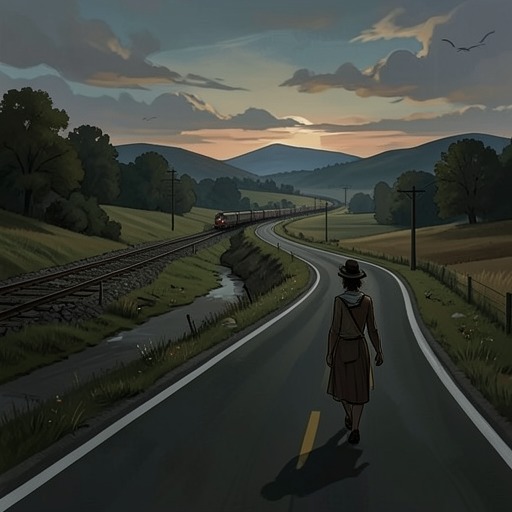
The introduction applies this principle to Dead Souls as a journey across Russia in a troika. Chichikov’s scheme supplies the occasion for travel, while the road brings into view a panorama populated by commonplace but distinctive Russian types. Comic characterization is therefore not a diversion from the book’s subject: it is the means by which apparently ordinary people and conditions become legible.
Laughter and Social Criticism
The introduction distinguishes the comedy’s outward surface from its deeper effect. As Gogol reads the manuscript, Pushkin grows gloomy and exclaims, “God! What a sad country Russia is!” He later calls the work “the simple truth, the terrible truth.” The juxtaposition clarifies the maxim’s force: making the comic perceptible can produce laughter, but what that laughter reveals may be painful rather than consoling.
The book’s satirical exposure of Russian life also drew conflicting responses. Some received it as an indictment of the whole country, while liberal readers, including Belinsky, welcomed it as a revelation and an omen of a freer future. Gogol, who intended to serve Russia rather than merely ridicule it, took Slavophile criticism seriously and promised a future redemption for Chichikov and the other compromised characters. Comedy here is entangled with a question of judgment: whether exposing social folly means condemning a country, its people, or the conditions that have shaped them.
The Reader Drawn into the Joke
The narrator later describes Chichikov not simply as a villain but as an acquisitive man, whose love of gain leads to transactions that are “not strictly honourable.” This reframing extends comic recognition beyond the exceptional rogue. Acquisition is presented as a common human fault, and the narrator asks readers to examine the springs of character rather than dismiss Chichikov with distaste. The comic figure becomes a means of probing a recognizable impulse.
That invitation becomes direct when the narrator asks whether there is not an element of Chichikov in the reader, too. The scene even imagines an acquaintance pointing him out in the street as Chichikov passes. The joke turns outward from the character and back upon its audience: readers who laugh at provincial rascals cannot safely assume that the comic truth belongs only to other people. The maxim’s lasting significance lies in this double movement, from noticing absurdity in the world to recognizing the uncomfortable possibility that it also touches the self.