Fabricated reports and dossier
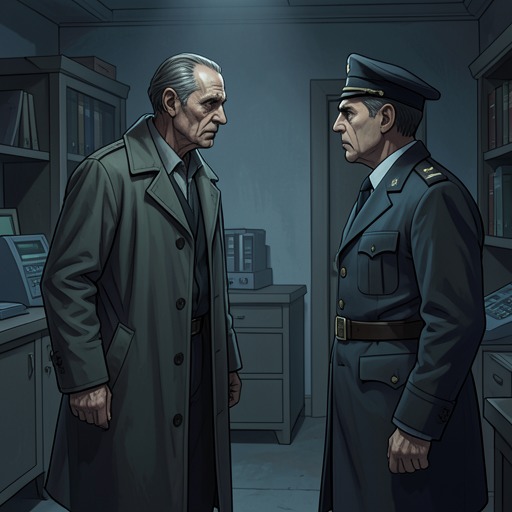
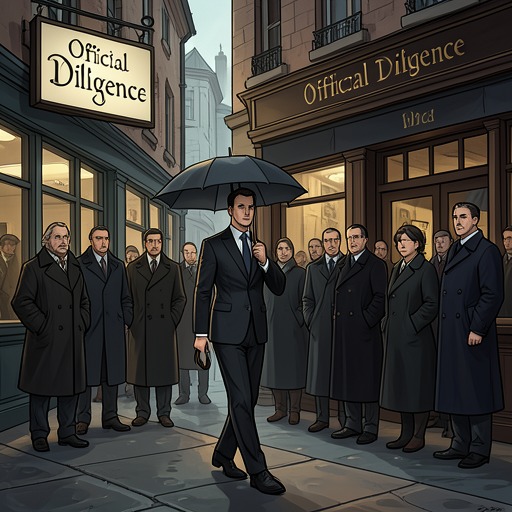
Dead SoulsFabricated reports and dossier is a deliberately manufactured mass of accusations that turns official paperwork into a weapon in the effort to protect Chichikov. Its importance lies not in establishing the truth about the scandal, but in making truth harder to establish: the reports set officials against one another, bury the dead-soul affair beneath unrelated allegations, and leave the Governor-General confronting an investigation clouded by false evidence.## Construction and circulationThe dossier is set in motion by Chichikov’s lawyer as part of the effort to shield his client. Rather than submit one coherent defense, the lawyer sends different warnings along a chain of officials: the local Governor is told that the Public Prosecutor is preparing a damaging report about him; the Chief of Gendarmery is warned that a confidential official is doing the same to him; and that official, in turn, is told that an even more confidential figure is preparing a report against him. These staged disclosures make each recipient fear that he is the next target. The three officials consequently turn to Samosvitov for advice, giving the scheme influence through their alarm before any claim has been verified.## The dossier’s contentsThe resulting paperwork multiplies allegations rather than clarifying the original case. Reports arrive in such numbers that the affair seems to generate further reports by itself, and the documents drag into Chichikov’s history a profusion of scandals and innuendoes. They allege, among other things, that one person has an illegitimate son, another keeps a paid mistress, and a third has a gadabout wife. These claims are not presented as evidence about the dead-soul transaction; their function is to add extraneous material until no one can determine which of the competing scandalous stories deserves attention. When the dossier reaches the Governor-General, its tangle leaves him flabbergasted. Even the exceptionally capable secretary assigned to summarize it nearly loses his bearings while trying to find the beginning of the confused chain.## Political crisis and consequencesThe documents arrive amid several genuine emergencies that already occupy the Governor-General. Famine has appeared in one part of the province, where officials charged with distributing food have performed badly. Elsewhere, Old Believers are in turmoil over a report that the Antichrist has arisen and is buying the dead; their efforts to capture him have led to violence against people they identify as non-Antichrists. In a third district, peasants have been stirred by a rumor that they will become landowners while present landowners return to peasant life; one local district refuses to pay its taxes, prompting coercive measures. The false dossier does not cause these crises, but it competes for the authorities’ attention at a moment when their consequences demand it. It helps turn an already difficult inquiry into an administrative overload.## Exposure and the challenge to civil procedureAt the officials’ meeting, the Governor-General identifies the affair as scandalous and says that the first investigation has automatically brought other dishonourable matters to light. He understands both that the false complexity is deliberate and that he knows the identity of its ringleader, despite that person’s effort to conceal his role. He specifically names the dossier’s methods: an excess of false and extraneous evidence, fictitious reports, and documents so entangled that ordinary methods can no longer resolve the case. He proposes that the matters be handled not by formal documentary process but by a court-martial, subject to the Emperor’s authorization, and asks the officials for their opinion. No one answers; they look down, and many turn pale. The dossier therefore achieves its immediate disruptive effect, but it also makes the manipulation of procedure visible and provokes a proposed shift to a more summary tribunal.## The paperwork’s wider significanceThe episode places the dossier within the novel’s recurring world of documents that make administrative identities and transactions. Earlier, Chichikov insists that the peasants he has bought should be recorded as living because that is how they appear in the census returns, and he presents obedience to civil law as a principle. To register his purchases, he submits a list and application; officials demand further proofs, and the completed transaction is signed, docketed, and registered, with the President arranging for Chichikov to pay only half the usual fees. Against this routine paperwork, the fabricated dossier shows how documents can do more than record a claim: they can manufacture suspicion, redirect official attention, and make formal investigation difficult to complete. Its role is especially ironic because the dead-soul scheme itself depends on exploiting the difference between a person’s actual death and a continued entry in the records. The false reports extend that instability from the peasant lists to the officials’ own reputations, turning the machinery of documentation into a source of confusion rather than certainty.