
The Restlessness of the Journey
Death in VeniceThis flow follows Aschenbach’s changing relationship with travel, from reluctant escape to repeated movement in pursuit of desire.
increasing Bearing strength in each event
 decreasing
Bearing strength in each eventdecreasingA Settled Life

A Settled Life
Familiar limits
Aschenbach has arranged his outer life around Munich, his work, and a mountain retreat. Travel has seemed an unnecessary interruption to the duties he has set himself.
Restlessness beneath routine
His stable habits no longer satisfy him. The sudden longing for distant places emerges from fatigue with the life that had previously seemed sufficient.
The First Southward Route
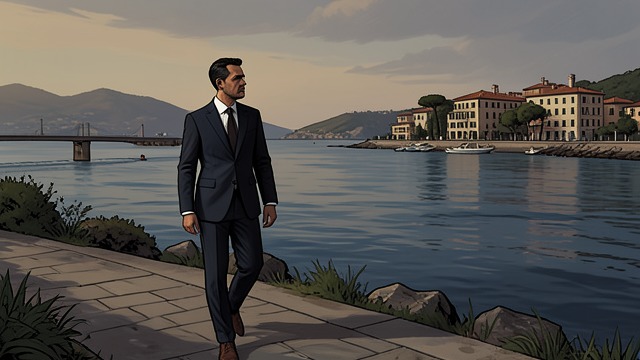
The First Southward Route
A manageable escape
Aschenbach travels toward an Adriatic resort rather than the remote landscapes of his fantasy. He initially treats movement as a practical restorative measure.
The plan changes
Disappointment on the island sends him onward to Venice. His journey begins to follow appetite and mood more than a considered program.
An Unwanted Departure
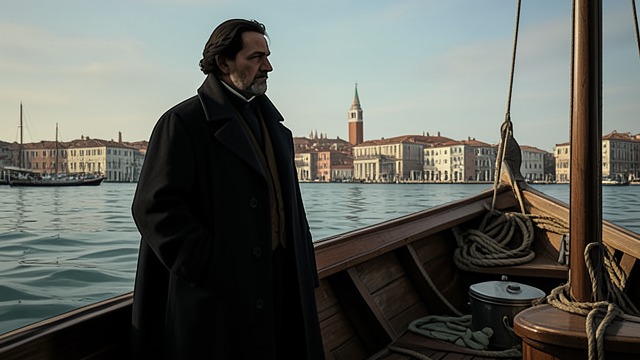
An Unwanted Departure
Health prompts retreat
The oppressive air in Venice makes Aschenbach decide to leave the Lido. He acts as though bodily prudence can still govern the holiday.
The cost becomes clear
On the boat, he feels grief at leaving the city. His reaction reveals an attachment that his practical decision had failed to acknowledge.
The Return Journey
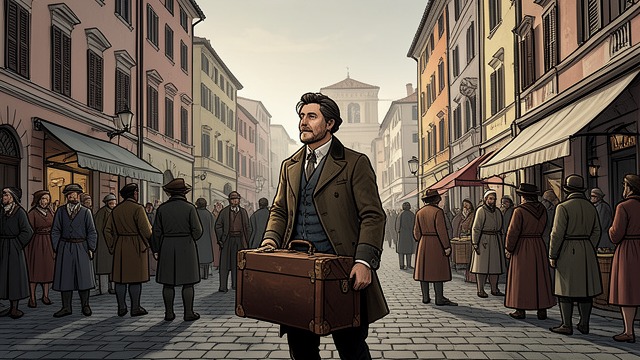
The Return Journey
Reversal welcomed
The lost trunk sends Aschenbach back to the Lido. He treats the inconvenience with concealed hilarity and interprets the reversal as a fortunate turn of fate.
Agency surrendered
An accident now decides what he had tried to decide himself. His willingness to be returned marks a shift from deliberate travel to passive obedience to desire.
No More Departure
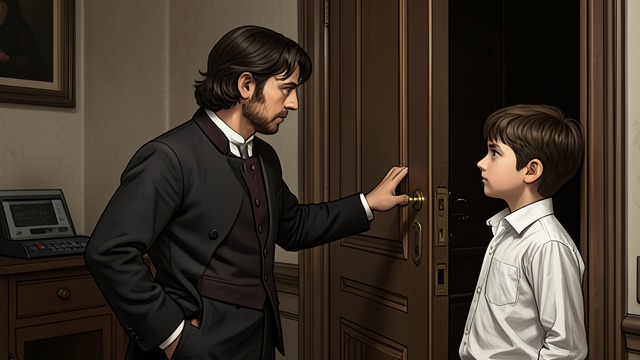
No More Departure
A final route refused
Aschenbach receives a direct warning to leave but does not act on it. The possibility of flight is real, immediate, and morally charged.
Travel becomes entrapment
He remains because the boy’s continued presence matters more to him than safety. The traveler who once sought escape has turned movement itself into a pursuit he cannot end.
Before the spring journey
Late May, after his decision to travel
After his first afternoon in Venice
That same morning after the trunk is misdirected
After he learns Venice is infected
