
The Choice Between Warning and Concealment
Death in VeniceThis flow traces the moral conflict between public health, personal responsibility, and Aschenbach’s wish to keep Tadzio near.
increasing Bearing strength in each event
 decreasing
Bearing strength in each eventdecreasingUnease Without Certainty
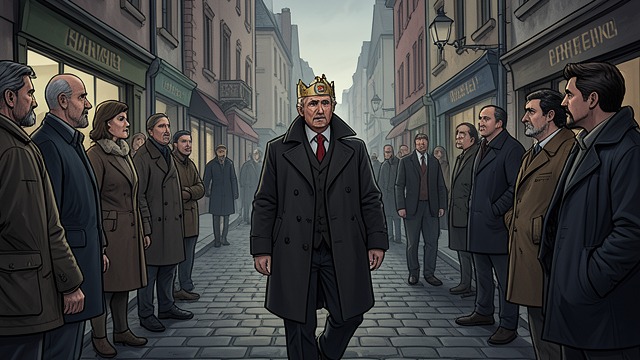
Unease Without Certainty
Early indications
Aschenbach notices fewer visitors and hears a vague reference to plague. He has grounds for suspicion but not yet a reliable account.
Curiosity takes shape
His attention to the epidemic begins with investigation rather than action. At this stage, the question is what the city is concealing, not what he must do.
Official Reassurance
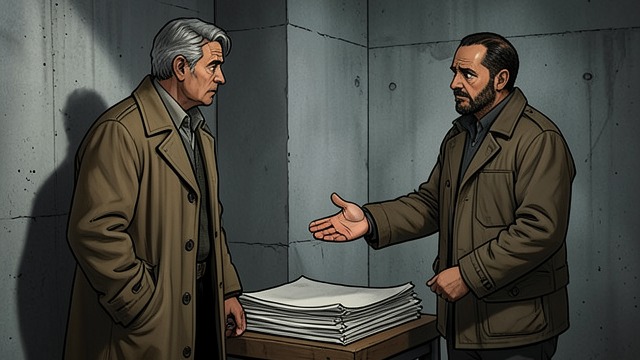
Official Reassurance
A softened explanation
Shopkeepers and newspapers describe precautions while withholding a clear admission of cholera. Aschenbach recognizes that the language of reassurance is carefully managed.
Responsibility still distant
The evasions sharpen his suspicion, but the facts remain incomplete. He can observe the city’s failure without yet confronting his personal duty to the family he watches.
The Facts Confirmed
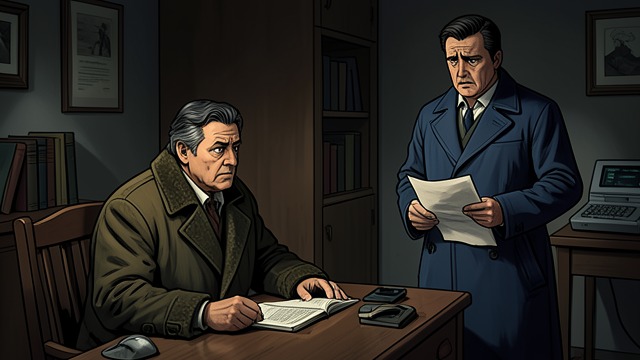
The Facts Confirmed
A candid account
The English clerk explains the epidemic and the authorities’ motives for denying it. Aschenbach learns enough to understand the danger and the likely consequences of delay.
The choice becomes personal
The information creates an immediate opportunity to warn Tadzio’s mother. His concern can no longer remain abstract curiosity about a city’s secret.
The Warning Imagined
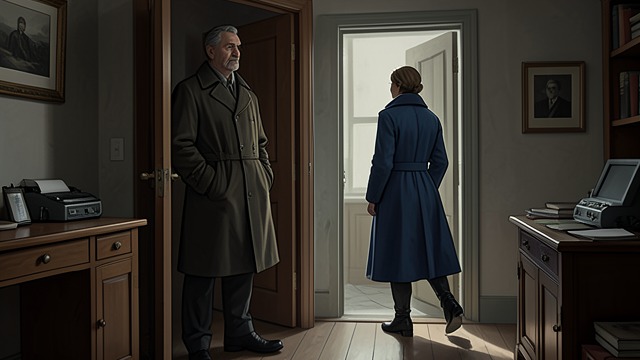
The Warning Imagined
A speech rehearsed
Aschenbach plans how to tell Tadzio’s mother to leave with her children. For a moment, he imagines acting as a responsible outsider who offers essential information.
Self-interest intervenes
He recognizes that the warning may remove the family from Venice and end his access to Tadzio. The moral solution becomes emotionally intolerable to him.
Silence Becomes Complicity
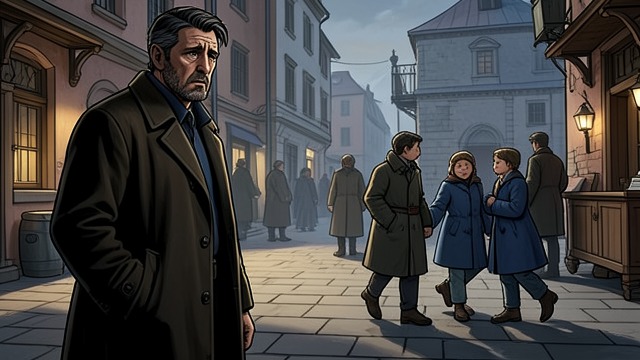
Silence Becomes Complicity
The warning withheld
Aschenbach decides not to tell the family what he knows. He remains in Venice and preserves the circumstances that permit his continued watching.
A deliberate moral defeat
The choice turns a private obsession into complicity in a public danger. He sacrifices another family’s informed choice to protect his own access to the boy.
During the first reports of departures
During his inquiries in Venice
At the travel bureau after the hotel performance
Immediately after the clerk’s disclosure
That evening in Venice
