
The Double Decline of City and Man
Death in VeniceThis flow develops the parallel between Venice’s concealed epidemic and Aschenbach’s concealed moral and emotional collapse.
increasing Bearing strength in each event
 decreasing
Bearing strength in each eventdecreasingA Beautiful Surface
A Beautiful Surface
A city displayed
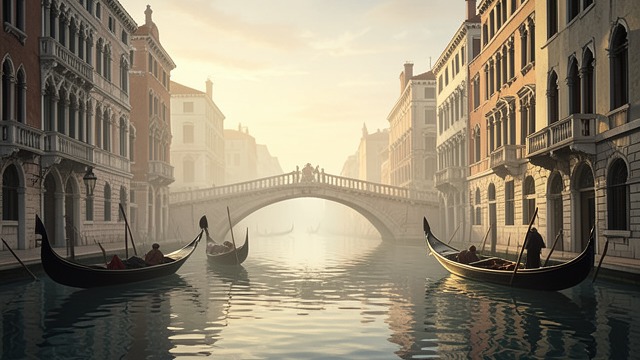
Venice appears to Aschenbach as a spectacular composition of water, palaces, and ceremonial approaches. Its beauty invites the visitor to trust appearances.
A fragile impression
The arrival sets up a contrast between the city’s visual splendor and its hidden conditions. The surface will remain attractive even as evidence of danger accumulates.
The Body Sounds an Alarm
The Body Sounds an Alarm
Physical distress
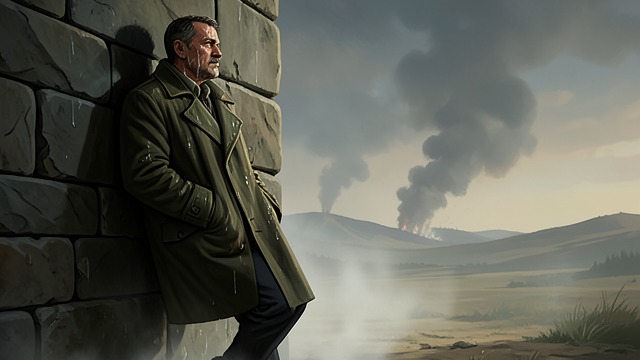
Heat and foul air leave Aschenbach feverish and uncomfortable. He concludes that the city’s atmosphere threatens his health.
A warning briefly obeyed
His body prompts him to leave, but the later regret shows how attraction can override an accurate warning. The city’s danger is first legible through sensation.
Public Denial Intensifies
Public Denial Intensifies
Hints without admission
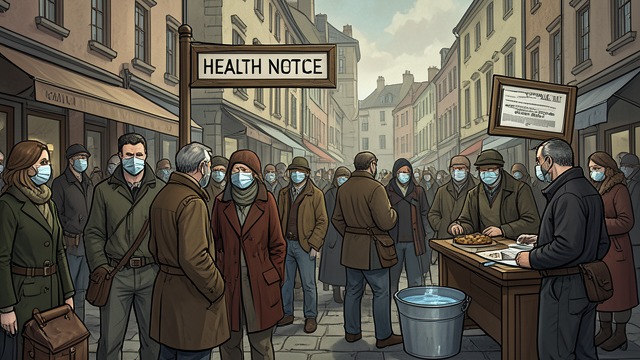
Disinfectant, health notices, and disappearing visitors point toward an epidemic, while authorities and businesses offer limited explanations. The more signs accumulate, the more visible the concealment becomes.
Civic interest at stake
Tourism and prosperity motivate the official silence. Venice protects its image by withholding facts from the people most exposed to its danger.
Private Denial Takes Shape
Private Denial Takes Shape
Knowledge recognized
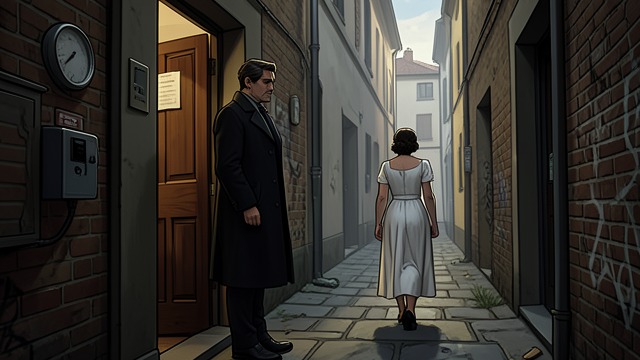
Aschenbach understands both the cholera danger and the possibility of warning Tadzio’s family. He cannot claim ignorance once the clerk has spoken.
Silence chosen
He keeps the secret because he wants the family to remain. His personal denial mirrors the city’s policy, though the motives and scale differ.
The Shared End
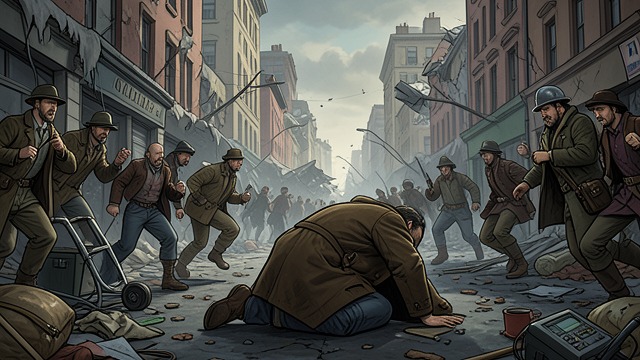
The Shared End
Two collapses converge
Venice empties and deteriorates as the epidemic continues; Aschenbach becomes exhausted, feverish, and unable to govern himself. Public disorder and personal breakdown occupy the same final days.
Concealment exposed by consequence
The city’s silence cannot halt disease, and Aschenbach’s silence cannot preserve his private world. Both attempts to protect desire or reputation fail as the crisis reaches its end.
On Aschenbach’s arrival in Venice
During Aschenbach’s first city walk
After disinfectant becomes noticeable
After Aschenbach learns the truth
Near the conclusion
