
The Cooling of Artistic Discipline
Death in VeniceThis flow follows the gradual loss of the boundaries that once separated Aschenbach’s work, desire, and public conduct.
increasing Bearing strength in each event
 decreasing
Bearing strength in each eventdecreasingWork as Boundary

Work as Boundary
Ordered effort
Aschenbach’s work gives his days structure and channels his energy into carefully controlled expression. Discipline protects him from the disorder he associates with unchecked feeling.
A stable identity
The writer can understand himself through labor and form. This boundary will weaken when an intense personal attraction takes the place of work.
Rest Without Work
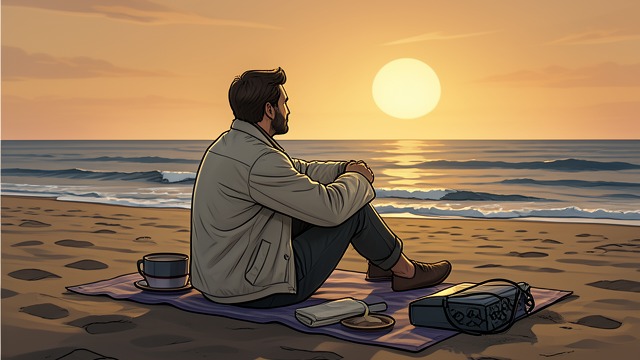
Rest Without Work
A tempting pause
Aschenbach enjoys mornings on the beach and evenings in the city, leaving his usual labor behind. The gentle routine feels like a release from the strain of production.
Rest becomes attachment
The pause is no longer simply restorative once Tadzio becomes its focus. The absence of work leaves space for an emotion that he does not examine directly.
Art in the Boy’s Presence

Art in the Boy’s Presence
Desire enters the work
Aschenbach writes while looking at Tadzio, allowing the boy’s beauty to guide his prose. He experiences artistic composition as unusually pleasurable.
The boundary crossed
Creation no longer stands apart from private fascination. His work becomes a vehicle for translating desire into an acceptable aesthetic form.
The Chase Replaces Creation
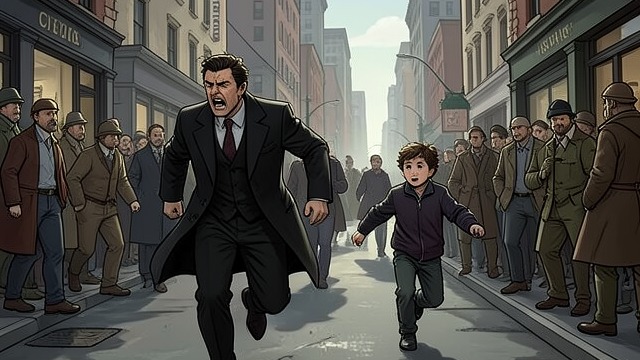
The Chase Replaces Creation
Labor displaced
Aschenbach follows Tadzio through the city rather than returning to sustained work. His energy is devoted to maintaining the boy in view.
Form gives way to impulse
The writer’s powers remain active, but no longer shape experience into disciplined art. Immediate desire now governs action more directly than reflection.
A Final Reflection on Art
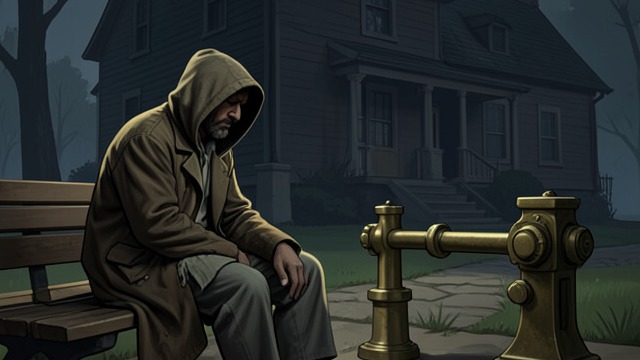
A Final Reflection on Art
The limits of mastery
Aschenbach’s fevered thoughts question whether poets can pursue beauty without becoming entangled in desire. He sees no secure boundary between form and moral danger.
The discipline undone
His reflections arrive after conduct has already outrun restraint. Artistic understanding can name the conflict, but cannot restore the self-control that once contained it.
Before the journey
During the first days at the Lido
During a morning writing session on the beach
During the later days in Venice
During Aschenbach’s last days
