
The Artist’s Desire for Beauty
Death in VeniceThis flow traces the intellectual and emotional transformation of beauty from an artistic ideal into the object of a consuming personal desire.
increasing Bearing strength in each event
 decreasing
Bearing strength in each eventdecreasingBeauty as an Ideal
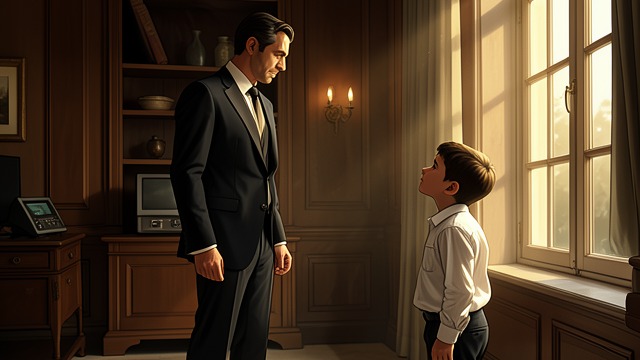
Beauty as an Ideal
Form perceived
Aschenbach sees Tadzio’s appearance as an instance of rare perfection. The artist’s trained eye converts the boy into a figure of form and proportion.
Admiration dignified
The aesthetic vocabulary makes the experience seem elevated. It provides a first interpretation of attraction that does not yet acknowledge its personal intensity.
Sensuous Attention
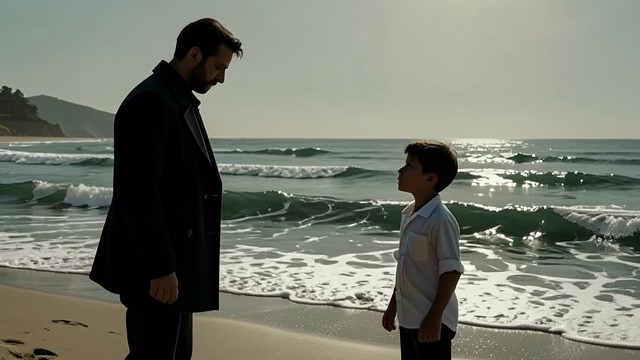
Sensuous Attention
Detail remembered
Aschenbach attends closely to Tadzio’s gestures, posture, and movement through sun and water. The beauty is no longer an abstract outline but a sustained sensory presence.
Distance narrows inwardly
Physical separation remains, but the observer’s imaginative attention becomes more intimate. Looking itself begins to satisfy and strengthen the desire.
A Mythic Interpretation
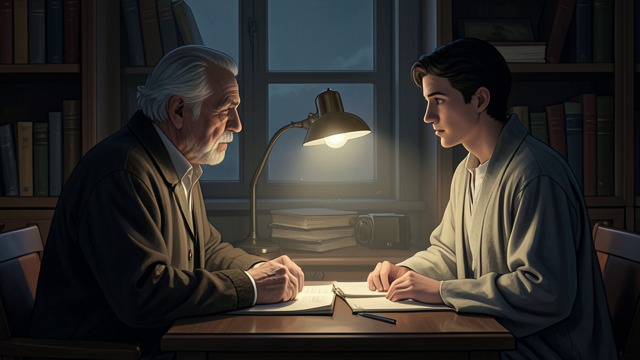
A Mythic Interpretation
Philosophy through desire
Aschenbach imagines beauty as a visible road toward spiritual insight and recalls a dialogue between an older thinker and a youth. The theory gives intellectual shape to his emotional state.
The lover elevated
He entertains the idea that the lover may be more divine than the beloved. The formulation flatters the observer, granting his desire significance without requiring mutual affection.
Beauty Shapes the Prose
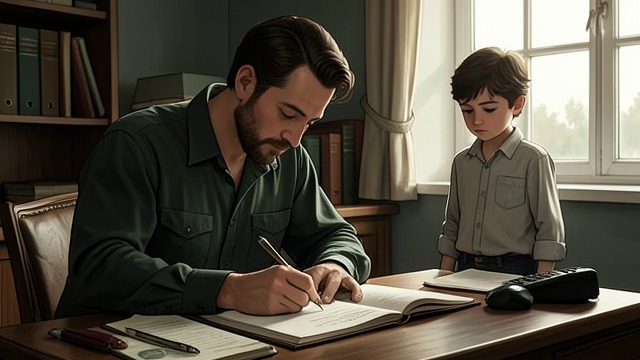
Beauty Shapes the Prose
Form borrowed from a body
Aschenbach writes with Tadzio in view, imagining the boy’s shape as a guide to the movement of his sentences. Artistic creation absorbs the object of his attention.
Aesthetic success, private risk
The work is admired for its polish, but its source would unsettle its audience. The episode shows beauty inspiring form while compromising the artist’s distance and judgment.
Beauty as a Lure

Beauty as a Lure
The distant figure
Aschenbach sees Tadzio isolated against the sea and imagines an invitation. Beauty has become not a guide for thought but a summons to pursue.
The road reaches its edge
He rises and dies before he can follow. The ideal that once promised spiritual elevation has led him to physical collapse and moral exposure.
During Aschenbach’s early contemplation of Tadzio
During the first mornings at the beach
During the beachside reflection on beauty
During the short writing session on the beach
At the final beach scene
