
Beauty, Form, and Moral Risk
Death in VeniceThis flow traces the novel’s exploration of artistic form as both disciplined achievement and a possible cover for morally dangerous desire.
increasing Bearing strength in each event
 decreasing
Bearing strength in each eventdecreasingForm as Discipline
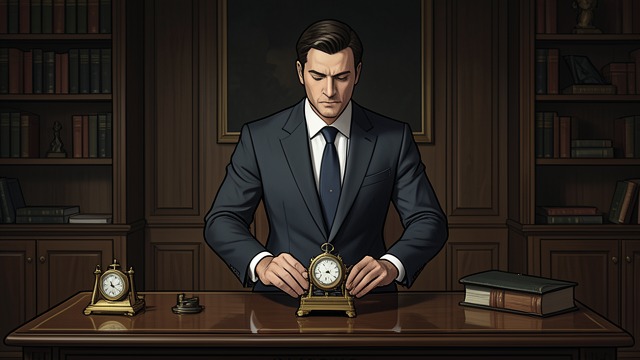
Form as Discipline
Order made visible
Aschenbach’s polished style expresses sustained practice and deliberate control. His formal achievement reflects the moral scheme through which he has managed fatigue and weakness.
The first ambiguity
Discipline can produce beauty, but it does not by itself guarantee moral wisdom. The novel establishes that form may be admirable while remaining incomplete as a guide to life.
The Ideal Made Sensible
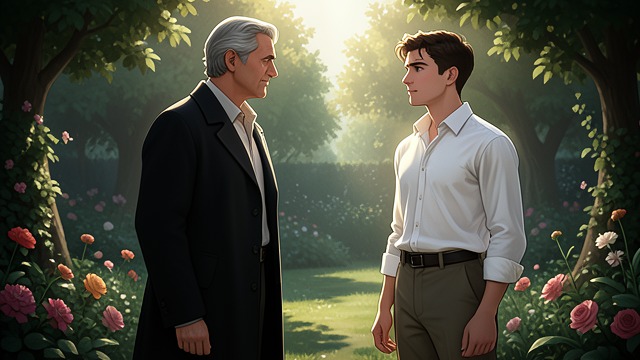
The Ideal Made Sensible
Beauty perceived through the senses
Aschenbach imagines that visible beauty can make spiritual form accessible. Tadzio becomes the concrete image through which the artist considers an abstract ideal.
Elevation with a cost
The idea honors beauty as a path to thought, yet also lets desire borrow the authority of philosophy. The same interpretation that deepens perception can disguise self-interest.
The Artist as Lover
The Artist as Lover
Eros enters creation
Aschenbach connects artistic inspiration to desire and imagines the lover as spiritually elevated by attention to beauty. His ideas make the emotional life of the artist central to the act of making.
A compromised elevation
The theory can dignify the lover without changing the fact that the beloved has not consented to a relationship. The novel lets artistic insight and self-serving rationalization occupy the same thought.
Form and the Precipice
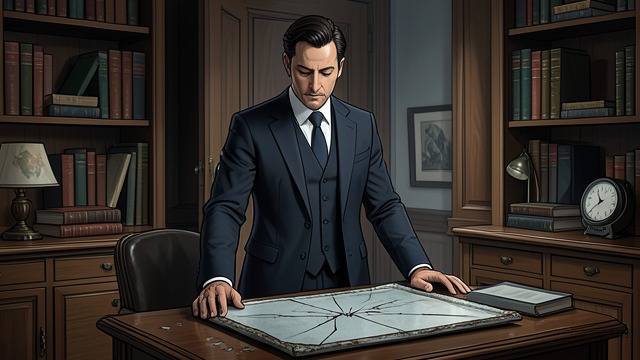
Form and the Precipice
Control questioned
Aschenbach reflects that a pursuit of form can lead poets toward intoxication and desire. The artistic discipline he once trusted may contain an indifference to ordinary moral limits.
The argument turns inward
His speculation describes his own decline. Form cannot prevent the artist from being led toward danger, especially when he mistakes polished thought for self-command.
Mastery Without Salvation
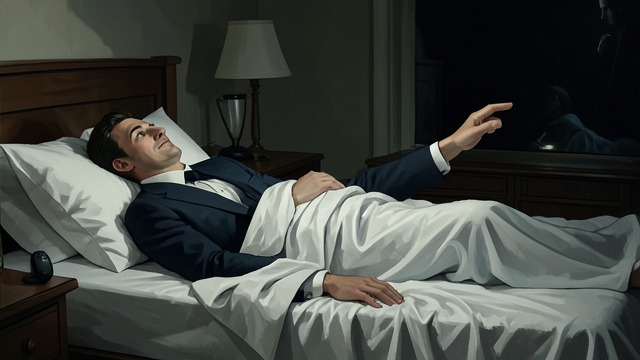
Mastery Without Salvation
The artist’s end
Aschenbach dies while pursuing an imagined invitation from Tadzio. His refined public identity cannot protect him from the consequences of his private surrender.
Beauty’s unresolved power
The ending does not cancel the force of beauty or artistic vision. It shows instead that aesthetic experience can inspire and consume, without supplying a reliable moral shelter.
During the account of Aschenbach’s mature style
During Aschenbach’s early beach reflections
During the beachside meditation on Eros
During Aschenbach’s final inner monologue
At the conclusion
