
The Heroism of Weakness
Death in VeniceThis flow develops the contrast between Aschenbach’s admirable endurance and the vulnerability that discipline cannot finally master.
increasing Bearing strength in each event
 decreasing
Bearing strength in each eventdecreasingWeakness Acknowledged
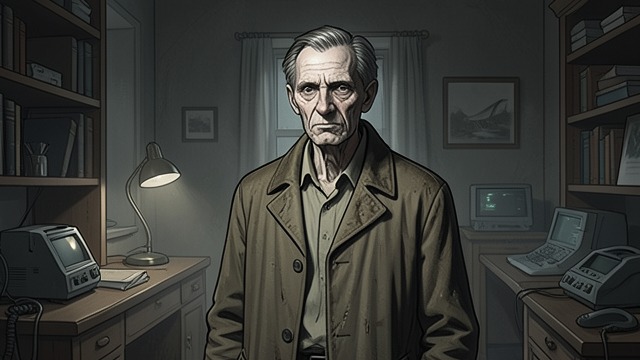
Weakness Acknowledged
Frailty from the beginning
Aschenbach grows up in poor health and without the ordinary experiences of school companionship. He knows that his talent depends on a body that cannot be taken for granted.
A life shaped in response
His limitations do not make him passive. They establish the conditions under which effort and self-command become his chosen strengths.
Endurance as Achievement
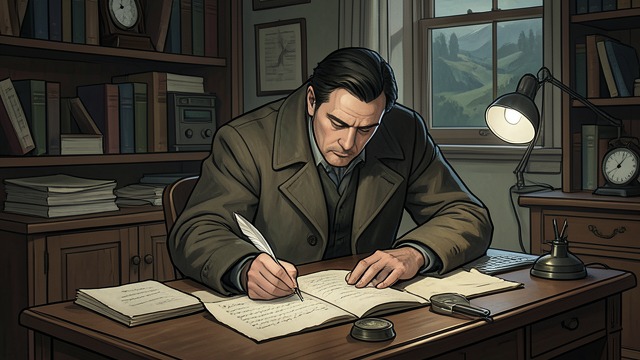
Endurance as Achievement
Labor over time
Aschenbach builds substantial works through repeated daily effort and revision. His achievement depends less on effortless power than on conserving and directing limited energy.
A heroic image
Readers see the finished work, while the labor behind it remains hidden. His career makes perseverance appear both artistic method and moral ideal.
The Holiday’s Release
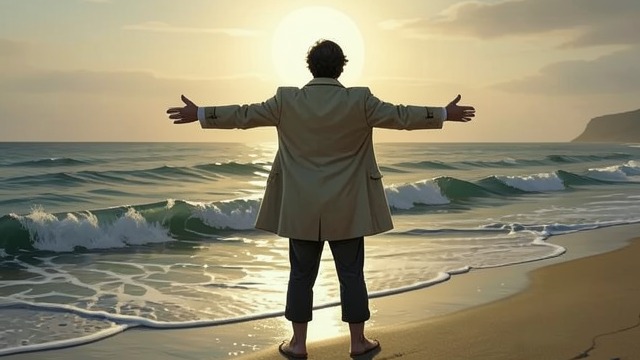
The Holiday’s Release
A rest from struggle
Aschenbach takes pleasure in sea air, warmth, and hours without productive work. The vacation seems to offer temporary freedom from the daily contest of will.
Strength unguarded
Without the structure of work, his energy has fewer boundaries. The ease that was meant to restore him also leaves room for fixation to grow.
Endurance Misdirected
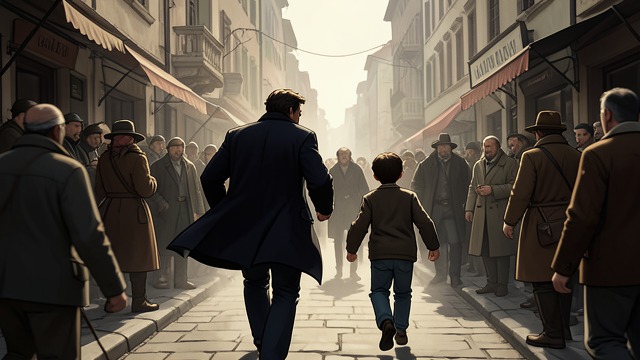
Endurance Misdirected
Persistence continues
Aschenbach follows Tadzio through heat and confusion, spending his strength on keeping the boy in sight. The capacity for effort survives even as his judgment deteriorates.
Heroism unsettled
The same persistence can now look less like virtue than compulsion. The novel questions whether endurance is heroic when the goal itself is morally compromised.
A Bodily Limit
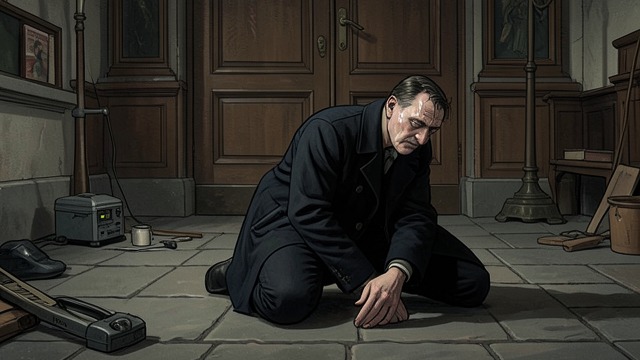
A Bodily Limit
Strength exhausted
Aschenbach rises to follow Tadzio but collapses. The body that supported decades of disciplined work cannot sustain his final impulse.
The ideal undone
His death makes visible the limits of will. Weakness cannot be permanently conquered by a heroic pose or a lifetime of control.
During the account of Aschenbach’s childhood
During his mature years of work
At the beginning of the stay on the Lido
During the later pursuit through Venice
At the final moment on the beach
