
The Epidemic as Moral Disorder
Death in VeniceThis flow traces cholera as both a physical threat and an image of the disintegration of public and private order.
increasing Bearing strength in each event
 decreasing
Bearing strength in each eventdecreasingA Threat Approaches
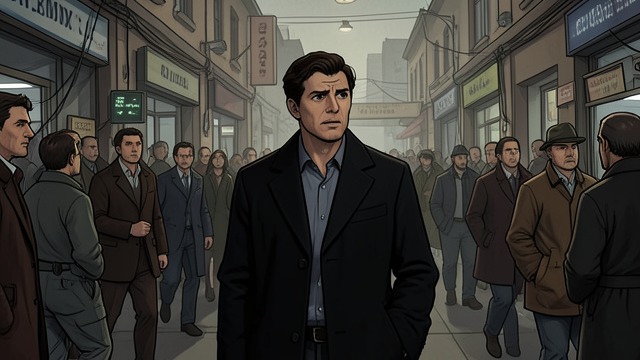
A Threat Approaches
Warning at the margins
Visitors leave and a barber mentions plague, but the information remains vague. The epidemic first appears as a disturbance in ordinary routines rather than a declared emergency.
Disorder gathers
The incomplete signs create a climate of suspicion. Disease is already changing the city’s behavior before it can be openly named.
The Smell of Concealment
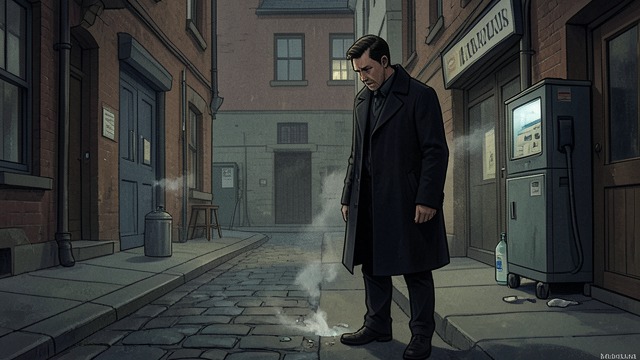
The Smell of Concealment
A sensory trace
Disinfectant and sickening odors accompany official health notices. Aschenbach senses that the city’s explanations do not match what its streets reveal.
Disorder made intimate
The epidemic is not only a statistical report; it is present in the air and daily environment. Sensation makes it harder to dismiss the hidden crisis.
The City’s Lie
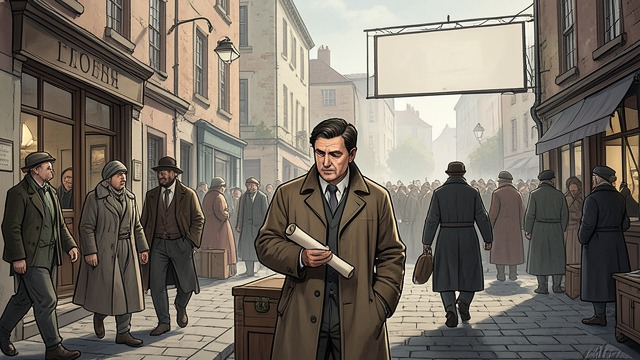
The City’s Lie
Public interest over truth
The clerk describes how authorities conceal the outbreak to protect commerce and tourism. Civic order is maintained through a denial that leaves visitors uninformed.
A corrupt reassurance
The city’s calm appearance depends on withholding the facts that might disrupt it. The epidemic exposes the moral cost of treating reputation as more important than human safety.
Disorder Welcomed
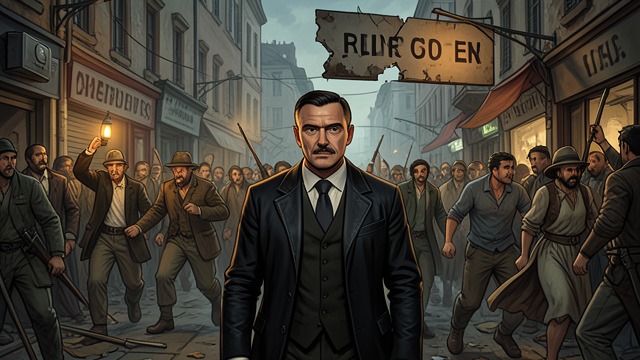
Disorder Welcomed
A private response
Aschenbach feels a disturbing satisfaction that the ordered world is breaking down. The emergency appears to offer possibilities for the continuation of his desire.
Public crisis, private benefit
He welcomes a disorder that threatens others because it may preserve his access to Tadzio. The epidemic becomes a test of his moral relation to suffering.
The City and the Self Decline
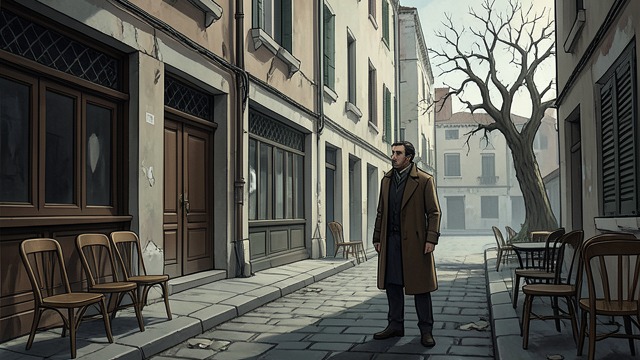
The City and the Self Decline
Crisis spreads
Guests depart, Venice grows more unsettled, and signs of illness and decay surround Aschenbach. The city’s concealed disorder becomes increasingly difficult to ignore.
Parallel collapse
Aschenbach’s exhaustion and secrecy mirror the city’s failure to face the outbreak. Both individual and civic concealment prove unable to prevent deterioration.
During the early signs of disappearing guests
During Aschenbach’s inquiries in Venice
After the English clerk speaks candidly
Immediately after Aschenbach learns the truth
In the final days before Aschenbach’s death
