
The Moral Ambivalence of Secrecy
Death in VeniceThis flow traces how secrecy begins as social convention, becomes a civic policy, and ends as Aschenbach’s personal complicity.
increasing Bearing strength in each event
 decreasing
Bearing strength in each eventdecreasingA Solitary Inner Life
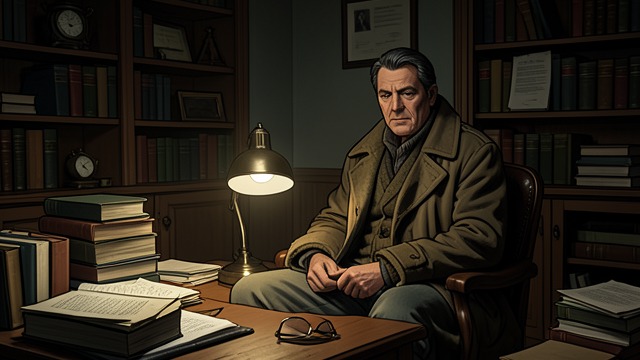
A Solitary Inner Life
Experience kept private
Aschenbach lives alone and gives intense meaning to impressions that he does not share with others. Solitude makes his inward life vivid while leaving it unchecked.
Ambiguity preserved
Because he keeps his thoughts to himself, his interpretations face no challenge. Privacy first appears as a condition of reflection, but can also shelter distortion.
A Secret Attraction
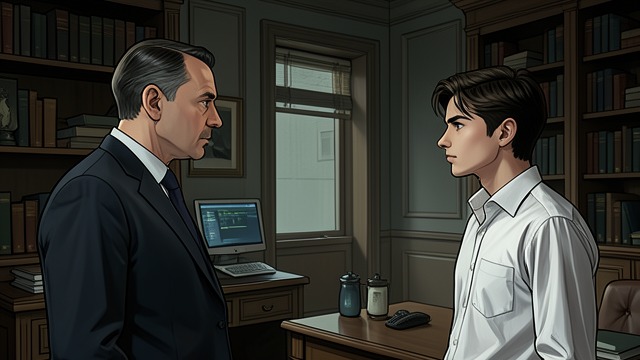
A Secret Attraction
Feeling concealed
Aschenbach watches Tadzio while maintaining a public appearance of composure. His private response remains invisible to the boy and to the wider hotel community.
Concealment enables growth
The absence of disclosure allows the attraction to intensify without negotiation or refusal. Secrecy protects the feeling from reality as well as from scrutiny.
A City Keeps Silent
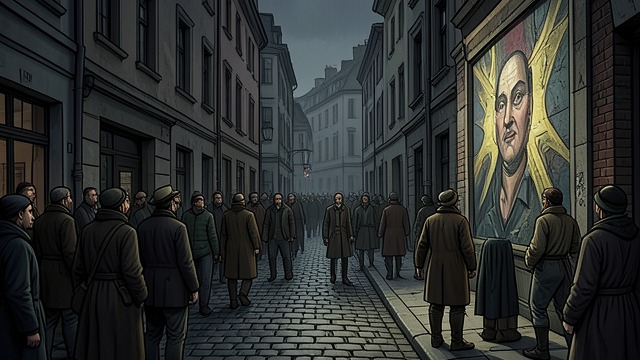
A City Keeps Silent
Public facts withheld
Venice’s authorities and businesses suppress clear information about cholera. Their silence is organized around protecting the city’s reputation and income.
Order at a price
The policy preserves a temporary appearance of normal life by denying visitors the ability to make informed choices. Secrecy becomes a public moral failure rather than a private refuge.
A Warning Suppressed
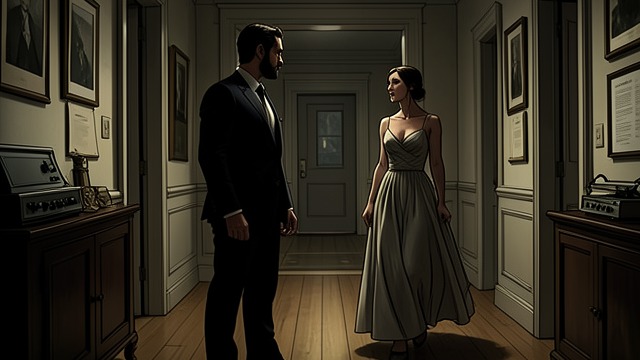
A Warning Suppressed
Knowledge kept private
Aschenbach considers telling Tadzio’s mother that cholera threatens the city. He understands what a warning could mean for the family’s plans.
Self-interest revealed
He remains silent because he wants the family to stay. His private secrecy imitates the city’s public evasion while exposing a more intimate motive.
Silence Ends in Death
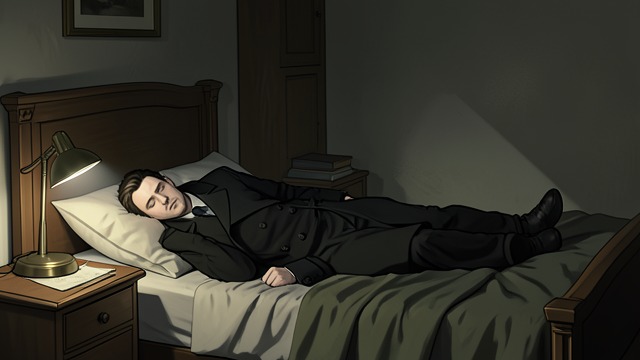
Silence Ends in Death
No resolution through secrecy
Aschenbach dies without warning the family or confessing his private conduct. The concealed attachment and the concealed public danger remain unresolved at his death.
Moral knowledge left behind
The ending makes secrecy consequential rather than protective. Neither the city’s denial nor Aschenbach’s silence can preserve the fragile world each hopes to keep.
As Aschenbach settles into the hotel routine
During the early weeks of watching Tadzio
During the spread of cholera rumors
After Aschenbach hears the clerk’s account
On the final day
