
Love, Grief, and Survival
Deception PointThis flow traces how loss shapes Rachel and Tolland, how shared danger draws them together, and how survival makes new intimacy possible.
increasing Bearing strength in each event
 decreasing
Bearing strength in each eventdecreasingRachel’s Mother’s Legacy
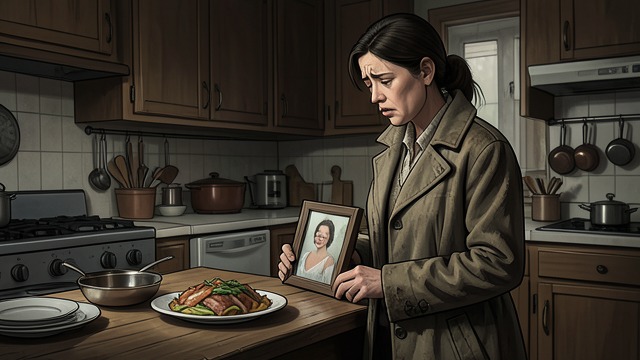
Rachel’s Mother’s Legacy
A complicated family bond
Katherine Wentworth Sexton tries to raise a strong daughter while enduring a marriage that Rachel sees as damaging. Their relationship is loving but shaped by Rachel’s anger at her father’s behavior.
Katherine’s resilience teaches Rachel loyalty and endurance, though Rachel also fears that such loyalty can become self-erasure.
Grief and inheritance
After Katherine dies, Rachel remembers their final Thanksgiving call and the ordinary promise that they would see each other soon. The loss gives her a private measure against her father’s public grief.
Her mother’s memory remains a source of both pain and resolve when Rachel faces danger.
Tolland’s Unfinished Promise

Tolland’s Unfinished Promise
Celia’s final request
As Celia Birch dies, she asks Michael Tolland to find another love. He promises, but means that he will never want one.
The promise becomes a measure of his grief rather than a plan for his future. He returns to work, yet avoids the emotional risk of another serious attachment.
A life held in suspension
Tolland’s public success conceals a private belief that surviving alone is the only option. Memories of Celia return during moments of celebration, making happiness feel disloyal or temporary.
The promise will acquire new meaning only when Tolland encounters someone who makes him want to live beyond his grief.
A Connection in the Dome
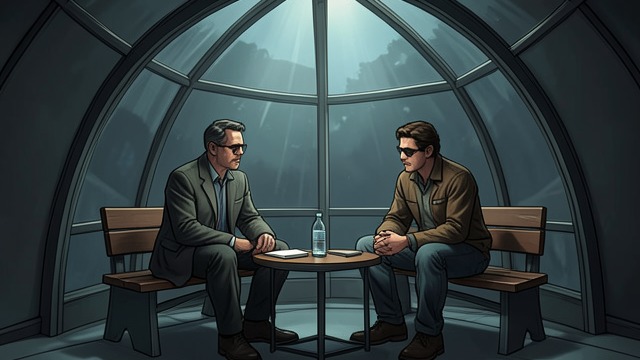
A Connection in the Dome
Humor amid uncertainty
Rachel and Michael meet in the habisphere while both are uneasy about being recruited into a political event. Their humor gives them a brief refuge from the pressure of the discovery.
Tolland’s warmth and Rachel’s intelligence create a mutual interest that neither needs to declare openly.
A cautious opening
The attraction grows through conversation rather than spectacle. Rachel is impressed by the man behind the television personality, while Tolland responds to her poise and skepticism.
The connection gives both of them a reason to imagine something beyond their established roles: her independence from her family and his isolation after Celia’s death.
Protection in the Storm

Protection in the Storm
Shared danger
During the attack on the glacier, Tolland stays with Rachel and helps tether the escaping group together. Rachel trusts his judgment even when she cannot understand his improvised balloon escape.
Their survival depends on physical cooperation: each movement, attachment, and decision affects the others’ chances.
Affection under pressure
The cold and danger strip away the formality of their earlier conversation. Tolland’s protective concern becomes visible, and Rachel responds with trust rather than merely professional respect.
Their bond is shaped by action, not a promise that danger will end. Each has seen the other choose to stay when retreat would be easier.
Learning to Love Again

Learning to Love Again
A survival beyond the crisis
After their return to Washington, Tolland and Rachel finally have a quiet moment together. His awkward jokes, improvised gifts, and tenderness contrast with the relentless danger they have just survived.
Tolland realizes that caring for Rachel does not erase Celia. It means that grief no longer prevents him from entering a new relationship.
A future reopened
Rachel’s humor and affection meet Tolland’s vulnerability. Their intimacy is neither a cure for the day’s losses nor a denial of the past; it is a choice to continue living with tenderness.
Celia’s final wish becomes something Tolland can honor rather than resist.
Three years before the main events
Years before the Arctic mission
Afternoon at the NASA camp
Night on the glacier
That night in the Lincoln Bedroom
