
Gabrielle’s Disillusionment
Deception PointThis flow traces Gabrielle Ashe’s changing loyalty to Sexton, her discovery of his corruption, and her choice to prevent him from exploiting Rachel’s evidence.
increasing Bearing strength in each event
 decreasing
Bearing strength in each eventdecreasingAn Admiring Recruit

An Admiring Recruit
A political ideal
Gabrielle first encounters Sedgewick Sexton as a student and is impressed by his confident message about cutting waste and improving government. She sees a mentor who might help her enter public life.
Her intelligence and ambition catch Sexton’s attention, and she joins his campaign. The opportunity brings her close to the machinery she once admired from a distance.
The cost of access
As Sexton’s aide, Gabrielle learns that personal access can carry hidden obligations. Her brief affair with him leaves her embarrassed and unsure whether the relationship was ever more than an exercise of his power.
Her faith in his stated values survives longer than her confidence in his private character.
The Affair Becomes a Weapon

The Affair Becomes a Weapon
A manufactured controversy
The White House leaks rumors of an affair between Sexton and Gabrielle without possessing firm public evidence. Sexton turns the accusation into a performance of outrage and denies the relationship convincingly.
Gabrielle watches him lie so persuasively that she nearly doubts her own experience. The episode reveals how easily political storytelling can replace personal truth.
A private vulnerability
Sexton keeps Gabrielle in her job, but their relationship becomes strictly professional. The affair remains a vulnerability that others can exploit, even as both of them pretend it no longer matters.
It foreshadows the later use of intimate photographs as pressure in a much larger political struggle.
Tench’s Offer

Tench’s Offer
An unsettling meeting
Marjorie Tench summons Gabrielle to the White House and shows her material suggesting that Sexton accepts illegal campaign money from private aerospace interests. She also reveals photographs documenting the affair.
Tench offers a bargain: Gabrielle can confess publicly, helping discredit Sexton, and perhaps secure a position with the President’s team. The offer mixes threats, truth, and political self-interest.
Doubt instead of surrender
Gabrielle initially suspects the evidence is fabricated or illegally obtained. She leaves without accepting the deal and seeks advice from Yolanda Cole.
Her response marks a shift from unquestioning loyalty toward independent judgment, even before she knows precisely what Sexton has done.
The Documents Confirmed

The Documents Confirmed
A visit to the apartment
Gabrielle enters Sexton’s apartment during his private meeting with aerospace donors. She hears him promise that, if elected, he will advance NASA privatization and serve the interests of those financing him.
His words turn Tench’s allegations into something Gabrielle has witnessed firsthand. The political exchange is not an innocent conversation about legal small donations; it is a promise of influence.
Uneasy evidence at the office
Gabrielle later enters Sexton’s locked office and finds large payments from private companies in offshore accounts. Sexton’s password eventually yields to his own presidential ambition, and the records confirm that he has lied to her.
Her disillusionment becomes a moral decision: she can no longer help him regain his footing without becoming part of his corruption.
The Envelope Switch
The Envelope Switch
A decisive intervention
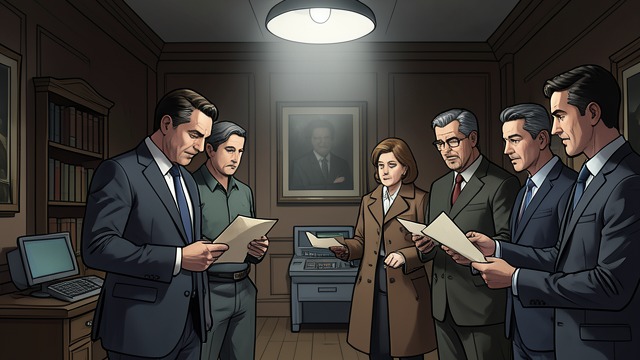
Sexton prepares to publish Rachel’s evidence, ignoring the warning that the revelation could endanger his daughter. Gabrielle recognizes that he is using the hoax not to seek truth but to seize power.
She obtains copies of his intimate photographs and replaces the contents of his prepared envelopes. When reporters open them, they see evidence of Sexton’s own hypocrisy instead of the meteorite case.
Loyalty redefined
Gabrielle confronts Sexton’s ambition and gives Rachel a chance to stop him. Sexton strikes her and threatens her, making clear that his former aide has become an adversary.
She leaves political service rather than continue to be managed by him. Her final choice is not to join another campaign immediately, but to recover her own judgment and dignity.
Several years before the campaign crisis
About a month before the main day
Late afternoon on announcement day
Late night after the announcement
The following morning at the press conference
