
Death, Memory, and Immortality
Doctor ZhivagoThis flow traces the novel’s argument that people persist through memory, relationship, and artistic creation.
increasing Bearing strength in each event
 decreasing
Bearing strength in each eventdecreasingDeath Enters Childhood
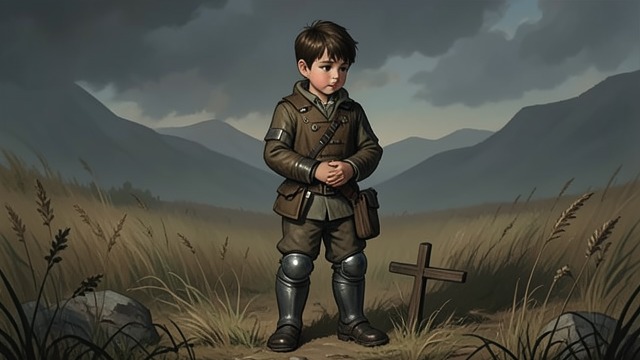
Death Enters Childhood
Loss becomes a question
Zhivago’s mother dies when he is young, leaving him to confront absence before he can explain it.
He turns to prayer and imagined communication with the dead.
The question of what survives begins in grief.
Immortality in Others
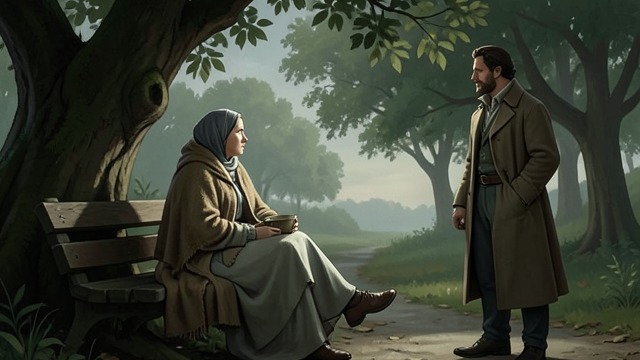
Immortality in Others
A living definition
Zhivago comforts Anna Ivanovna by saying that a person continues in others.
Identity resides in work, family, and the lives one touches.
His account rejects immortality as mere persistence of individual consciousness.
Art Against Death
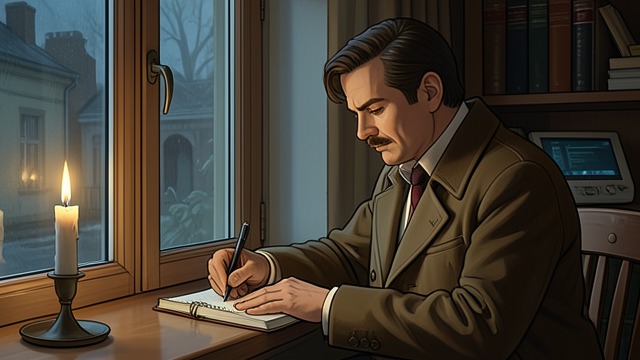
Art Against Death
Creation from mourning
Zhivago understands art as meditation on death that nevertheless produces life.
He gathers ordinary details into a poem for Anna Ivanovna.
Art makes loss communicable without pretending it has disappeared.
A Farewell Made into Poetry
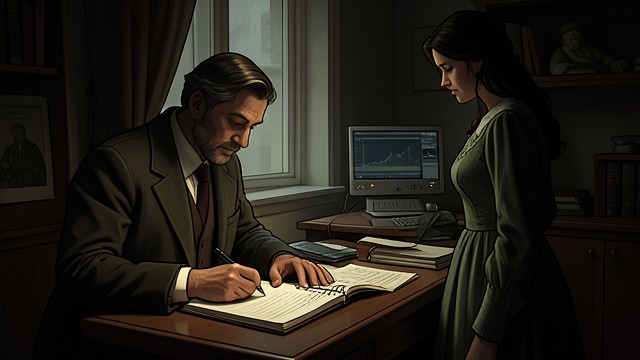
A Farewell Made into Poetry
Memory takes form
Zhivago writes about Lara while living with the pain of their separation.
His revisions transform personal grief into a more universal vision.
The poem preserves feeling while protecting the privacy of those involved.
The Poems After Death
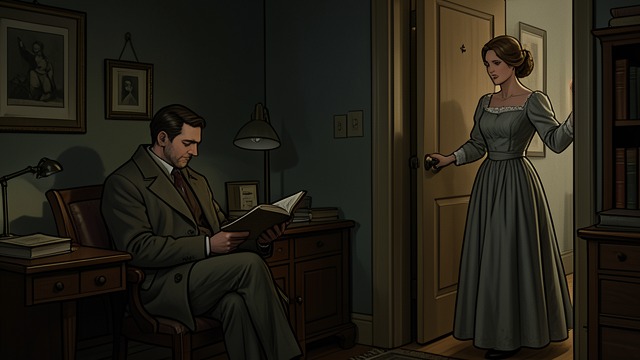
The Poems After Death
A life continuing in readers
Gordon and Dudorov read Zhivago’s writings years after his death.
The work connects their memories to a wider future of possible freedom.
His life persists through the attention his words awaken.
after Maria Zhivago’s death
during Anna Ivanovna’s illness
after the funeral
after Lara leaves Varykino
in the epilogue
