
The Social Cost of Hunger
Doctor ZhivagoThis flow traces how scarcity reshapes family life, commerce, and moral choices from Moscow to the Urals.
increasing Bearing strength in each event
 decreasing
Bearing strength in each eventdecreasingEmpty Moscow Markets
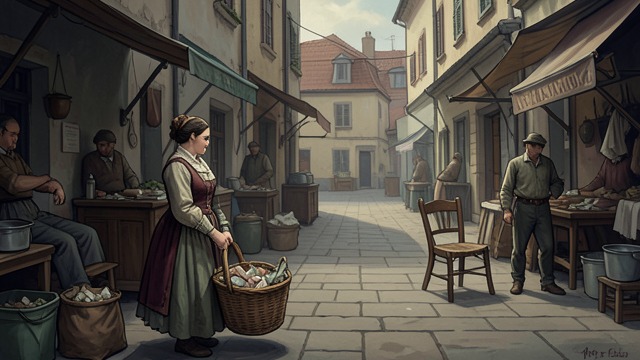
Empty Moscow Markets
Scarcity reshapes routine
Moscow’s markets offer little beyond scraps, secondhand goods, and food exchanged informally.
The Zhivagos abandon rooms and furniture to survive winter.
Hunger makes domestic comfort a political and practical question.
The Barter Journey
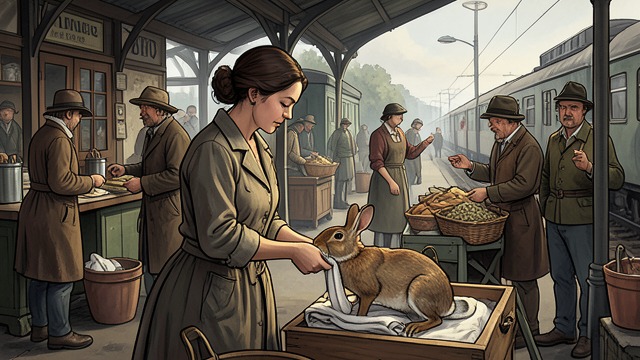
The Barter Journey
Goods as survival
Tonia exchanges a towel for hare at a railway stop.
The journey turns household goods into food and every station into a marketplace.
Small bargains become essential in a collapsing supply system.
The Family’s Storehouse
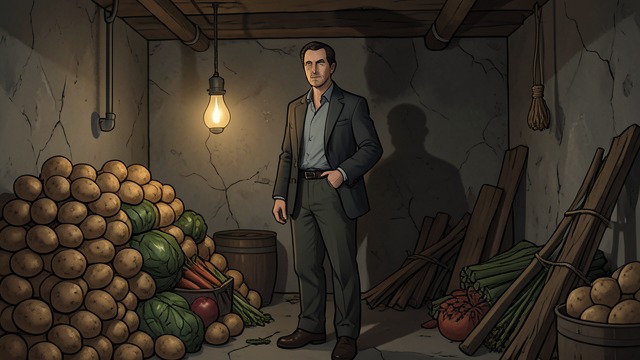
The Family’s Storehouse
Preparing for winter
The family stores potatoes, preserves vegetables, and gathers enough wood to endure the cold.
Zhivago values the cellar as a place of tangible security.
Their labor provides a temporary answer to scarcity.
A Doctor Paid in Food
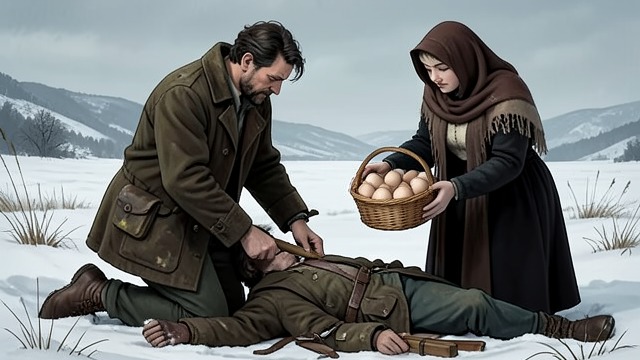
A Doctor Paid in Food
Care outside the market
Zhivago treats people who travel long distances to seek medical help.
They repay him with eggs, butter, or other provisions despite his objections.
Medicine and barter become part of the same local economy.
The Roadside Famine
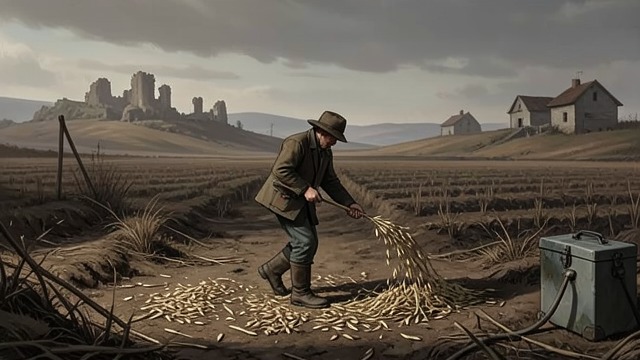
The Roadside Famine
Hunger outlasts armies
Zhivago walks through abandoned villages and takes raw grain from unharvested fields.
The journey shows a countryside devastated beyond ordinary recovery.
The land feeds him even as it displays social collapse.
after the October Revolution
on the way to the Urals
the first autumn at Varykino
during the Varykino settlement
during Zhivago’s final trek west
