
The Language of Love and Shame
Doctor ZhivagoThis flow traces how private desire is shaped by coercion, moral restraint, and the struggle to name experience honestly.
increasing Bearing strength in each event
 decreasing
Bearing strength in each eventdecreasingThe Word “Vulgar”

The Word “Vulgar”
Desire at a distance
Zhivago, Tonia, and Gordon treat sensuality as a troubling subject they can control through discussion.
Their abstract language shields them from experience.
The hotel encounter with Lara breaks that distance.
Lara’s Shame

Lara’s Shame
Experience resists labels
Lara thinks of herself as a fallen woman after her relationship with Komarovsky.
Her shame is shaped by exploitation and by the social language available to her.
The word condemns her more readily than it explains what happened.
A Gospel of the Downtrodden

A Gospel of the Downtrodden
A different judgment
Lara hears the Beatitudes and recognizes a blessing for the humiliated and deceived.
The words offer dignity without requiring her to deny her pain.
Faith becomes an inner music rather than a rulebook.
Love without Possession

Love without Possession
Tenderness under pressure
Zhivago and Lara experience love as a revelation that exceeds practical arrangements.
They also recognize that their passion may injure others and cannot create a secure household by itself.
Love is both a source of joy and a moral burden.
A Farewell in Tears
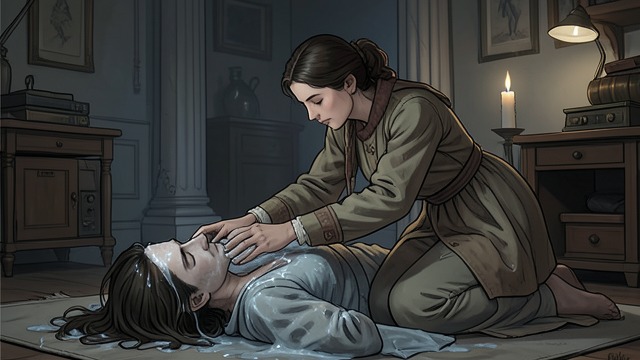
A Farewell in Tears
Intimacy after death
Lara speaks to Zhivago’s body in words that mix grief, memory, and confession.
Her private language recalls the emotional honesty they shared.
The farewell honors love without pretending it can undo consequence.
during Zhivago’s adolescence
after Komarovsky’s seduction
during Lara’s visit to church
during the Varykino retreat
at Zhivago’s funeral
