
Ivy Day's Political Theatre
DublinersThis flow traces the election-room talk around Richard J. Tierney from patronage and suspicion to a ceremonial remembrance of Parnell.
increasing Bearing strength in each event
 decreasing
Bearing strength in each eventdecreasingThe Election Room
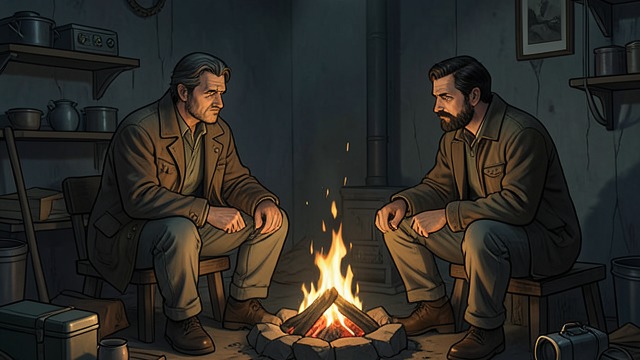
Campaign Work Deferred
Waiting in the committee room
Mat O'Connor and Old Jack sit by the fire while canvassing work continues outside. The damp, dark room reflects the uncertain campaign.
Politics as employment
The workers depend on money and favors from Richard J. Tierney. Their political commitment is mixed with immediate financial need.
The Unpaid Canvassers
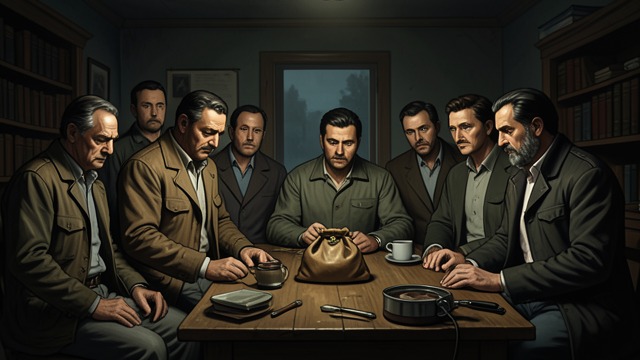
Promises and Suspicion
Payment delayed
Mat O'Connor hopes Tierney will appear with the money. Joe Hynes questions whether the candidate will pay, and the workers complain of being left in the lurch.
Principles under pressure
The campaign's claims about representation sit beside unpaid labor and personal suspicion. Practical dependence weakens political idealism.
The King's Address
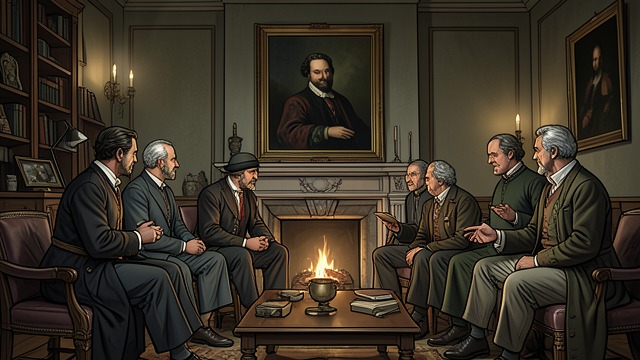
A Divided Nationalism
The proposed welcome
Joe Hynes objects to welcoming Edward VII, arguing that it would betray Irish political dignity. Others debate whether economic investment justifies a royal address.
Opportunism exposed
Mr Henchy shifts toward welcoming the King on practical grounds. The discussion shows how political loyalty can be redirected by money, ambition, and convenience.
The Ivy in the Lapel
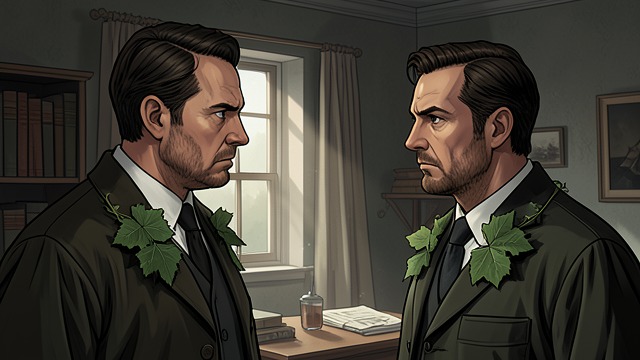
A Symbol of Loyalty
Parnell remembered
Joe Hynes and Mr O'Connor wear ivy in memory of Parnell. The leaf briefly gives visible form to an older political allegiance.
Nostalgia beside compromise
The men praise Parnell while continuing to maneuver through a contemporary campaign. Their symbolic mourning cannot restore the unity or force they associate with the past.
The Poem for Parnell
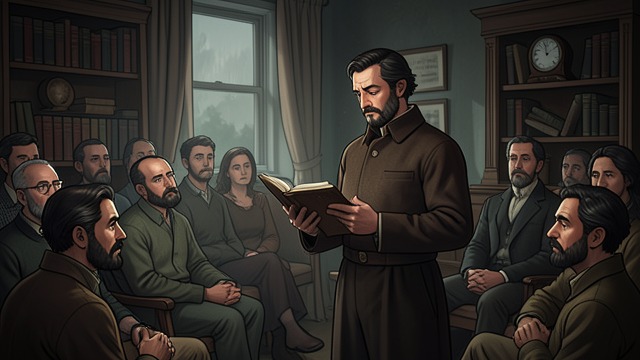
A Performance of Mourning
Hynes recites
Joe Hynes stands and delivers “The Death of Parnell,” denouncing the people who brought down the “Uncrowned King.” The room listens and applauds.
Emotion without action
The men drink in silence after the recitation. The poem revives collective feeling, but the political compromises and material worries remain unchanged.
A cold evening on Ivy Day
Early evening, before Henchy arrives
After Joe Hynes enters the room
During the debate about the King
Later that evening, after the stout arrives
