
Little Chandler's Literary Ambition
DublinersThis flow traces Little Chandler's brief hope of escaping his constrained life through poetry and the return of domestic reality.
increasing Bearing strength in each event
 decreasing
Bearing strength in each eventdecreasingThe Poet in the Desk
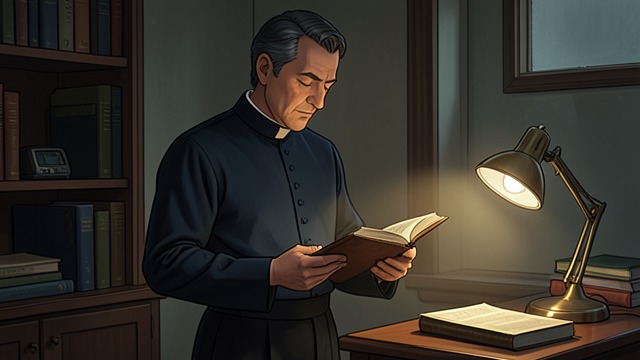
Private Verse
Shelved ambition
Little Chandler owns poetry books but has rarely dared to read them aloud to Annie. He keeps poetic lines in his mind as consolation.
A quiet limitation
His sensitivity does not become public work. The wish to write remains a private alternative to an ordinary clerical life.
Gallaher's Invitation
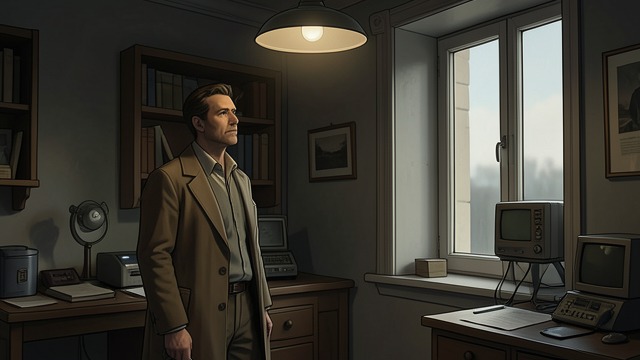
A Meeting Imagined
The successful friend
Little Chandler anticipates meeting Ignatius Gallaher, now a journalist in London. His friend's success appears to prove that leaving Dublin is necessary.
Borrowed confidence
The prospect of reunion lifts Chandler's mood. For a moment, he feels superior to the city and its people.
A Poem for London
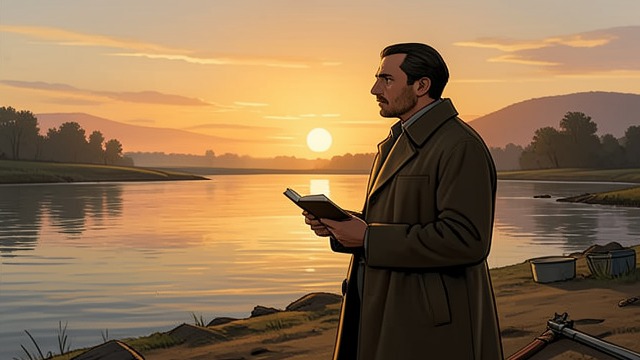
The Poet's Self-Image
A sudden possibility
The sunset over the river inspires Little Chandler to imagine writing a poem and having it published in London. He invents praise that critics might give his work.
Ambition without practice
He has not yet written the poem. The imagined literary future reveals both genuine longing and dependence on external recognition.
The Conversation of Comparison
London as Temptation
Gallaher's stories
Ignatius Gallaher describes life in Paris and other cities with confident vulgarity. Little Chandler listens, admiring the worldliness he had imagined.
Admiration turns sour
Chandler becomes disillusioned by Gallaher's manner but remains envious of his experience. The friend’s success magnifies Chandler’s sense of missed opportunity.
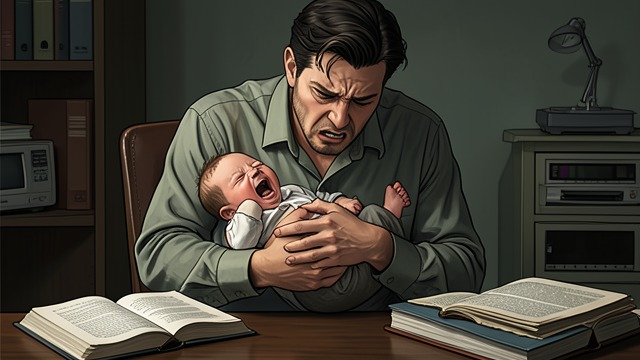
The Crying Child
The Domestic Limit
A failed attempt to read
Holding his baby, Little Chandler opens Byron and tries to recover his poetic mood. The child begins to cry, and his frustration overwhelms him.
Shame and dependence
He shouts at the baby, then fears he has harmed it. Annie returns, takes the child, and glares at him; his literary escape collapses into remorse.
Before the meeting at Corless's
Late autumn afternoon, after work
On the walk toward Corless's
That evening at Corless's
That evening, after Annie leaves the house
