
Farrington's Cycle of Humiliation
DublinersThis flow tracks Farrington's workplace frustration, drinking, and public defeat into the violence he directs at his child.
increasing Bearing strength in each event
 decreasing
Bearing strength in each eventdecreasingThe Office Rebuke
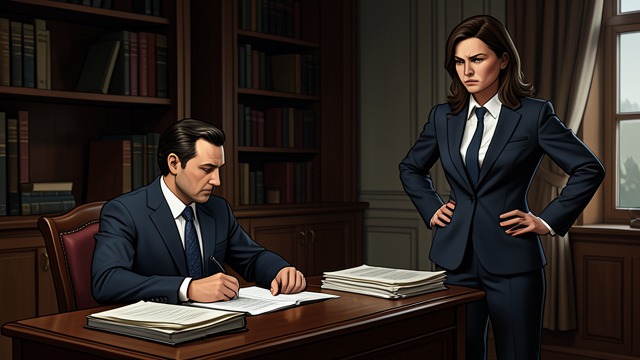
Authority and Anger
Alleyne's reprimand
Mr Alleyne scolds Farrington for unfinished copying and his long lunch. Farrington suppresses his anger while recognizing his thirst.
A pressure accumulating
The office offers no meaningful outlet for his resentment. He leaves work repeatedly to drink, making his task still harder to finish.
The Failed Copy
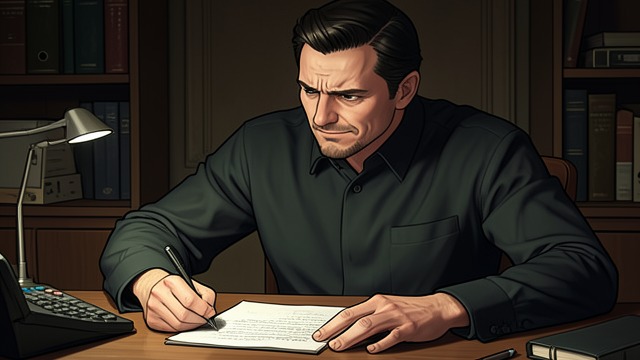
Work Unfinished
Errors and exposure
Farrington struggles to complete the contract and makes a copying error. Mr Alleyne then confronts him over missing letters in front of others.
A flash of defiance
Farrington answers with a clever retort that briefly wins laughter. The momentary victory cannot protect him from an apology and continuing dependence on the job.
Drinking on Credit
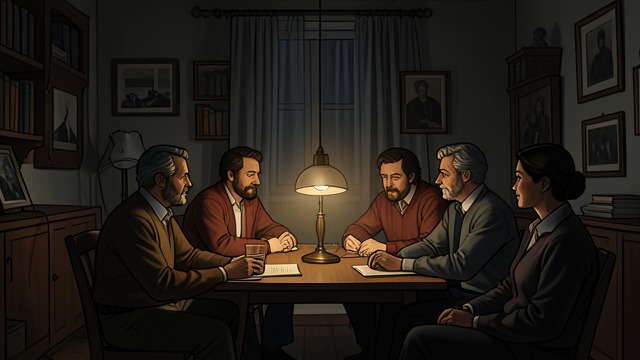
The Story Retold
A temporary triumph
Farrington pawns his watch and drinks with acquaintances. He retells his retort as a performance, receiving praise and buying rounds.
More loss than relief
The money disappears into drinking, and the evening grows more costly. Public approval briefly disguises the worsening of his position.
Defeat by Weathers
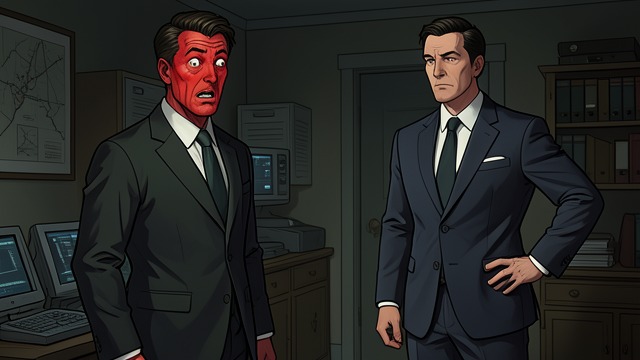
Strength Disproved
A contest of arms
Farrington challenges Weathers to a trial of strength, expecting to defend his reputation. Weathers defeats him twice.
Humiliation renewed
Farrington lashes out at a curate’s mild remark and leaves still angry and scarcely drunk. The defeat intensifies rather than discharges his resentment.
The Blow at Home
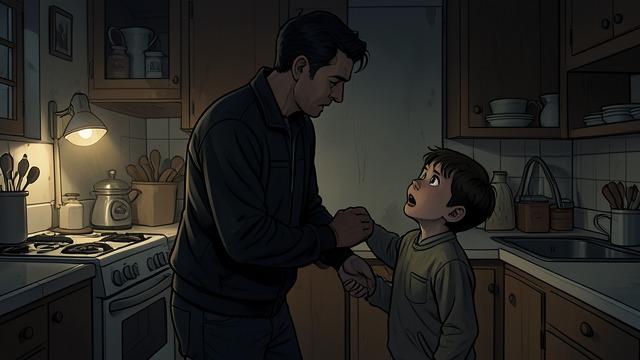
Anger Passed Down
A child in reach
Farrington finds the kitchen dark and his dinner unprepared. He demands that his son Tom light the lamp and then sees the fire has gone out.
Violence replaces control
He beats Tom with a stick despite the boy’s plea and prayer. The story’s accumulated humiliations end in domestic violence against someone less powerful.
A February afternoon at work
Late afternoon, as the office nears closing
Early evening, after leaving the office
Later that night at the public house
Late night, after Farrington returns home
