
Byrne and His Patron
ElementsThis flow traces the formal bond between Oliver Byrne and William Wentworth-Fitzwilliam, 4th Earl Fitzwilliam as it frames the book's public identity.
increasing Bearing strength in each event
 decreasing
Bearing strength in each eventdecreasingDedication Gesture
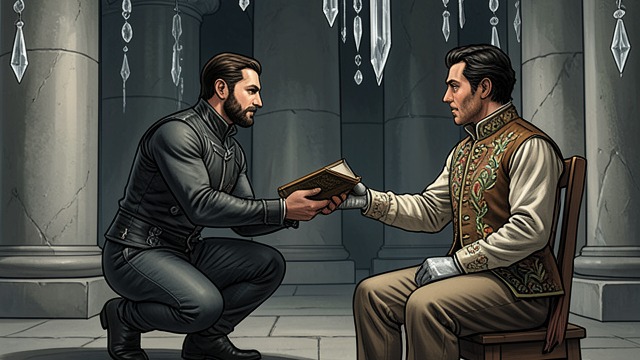
Dedication Gesture
Formal Deference
Oliver Byrne offers the work to William Wentworth-Fitzwilliam, 4th Earl Fitzwilliam in ceremonious language.
The dedication expresses obedience gratitude and obligation.
Public Bond
A private relationship is converted into the visible opening of a book.
Patron's Name
Patron's Name
Authority
The patron's title gives the volume a recognized social address.
Readers encounter institutional form before encountering experimental pedagogy.
Protection
Patronage suggests that innovation seeks not only argument but a public setting in which it can be heard.
Authorial Confidence
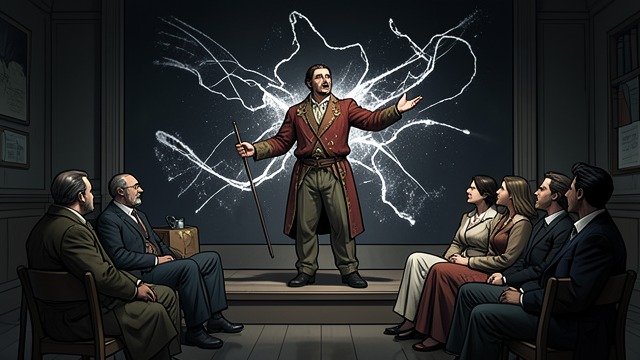
Authorial Confidence
Shift in Voice
After the humble dedication, Byrne speaks boldly about the defects of education.
He invokes philosophers schools and public instruction to enlarge the stakes of his method.
Productive Tension
Deference and intellectual confidence coexist within the same work.
Service Through Reform

Service Through Reform
Educational Service
The proposed visual system is presented as a contribution to learners teachers and society.
Byrne's service is therefore expressed through changing how knowledge is transmitted.
Broader Loyalty
The dedication's personal obligation opens into a public educational mission.
Dedication Preserved

Dedication Preserved
Archival Continuity
The dedication survives with the work's front matter in the digitized copy.
The original relationship remains legible to later readers.
Afterlife
Patronage becomes part of the historical story through which the educational experiment is remembered.
on the dedication page
at the threshold of the title matter
early in the introduction
during the argument for coloured teaching
in the digitized front matter of 2011
