
The Dedication and Its Patronage
ElementsThis flow traces the book's formal dedication and the social network of patronage implied by its publication front matter.
increasing Bearing strength in each event
 decreasing
Bearing strength in each eventdecreasingFormal Dedication

Formal Dedication
Public Address
The work is dedicated to William Wentworth-Fitzwilliam, 4th Earl Fitzwilliam.
The dedication places a technical educational project within the conventions of public service and patronage.
Authorial Position
Oliver Byrne presents himself as an obedient and obliged servant of the dedicatee.
Patronage and Ambition
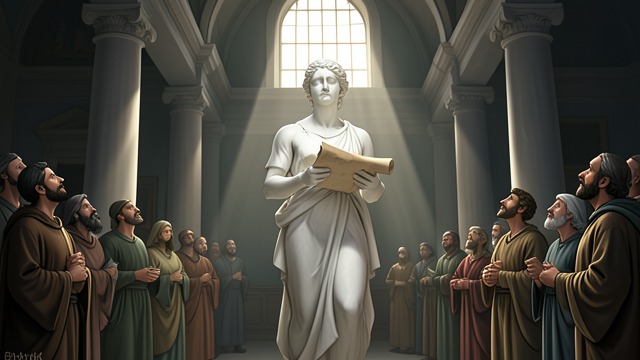
Patronage and Ambition
Social Legitimacy
The dedication gives the book a formal relationship to authority before its educational claims begin.
Such framing helps an unconventional method appear worthy of public attention.
Intellectual Independence
Yet the introduction quickly shifts from personal deference to a confident argument for reform.
The Author's Voice
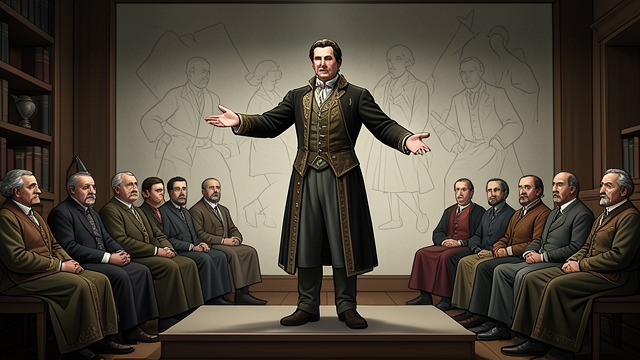
The Author's Voice
Persuasion
The author speaks collectively about teachers learners philosophers and schools.
His voice combines practical advice with polemical criticism of established instruction.
Reformist Tone
The dedication's humility thus contrasts with the introduction's determined educational programme.
Scientific Respectability

Scientific Respectability
Intellectual Lineage
The discussion invokes Euclid Plato and Johann Heinrich Pestalozzi to situate the proposed method within respected traditions.
The book claims both ancient authority and modern pedagogical relevance.
Inheritance and Innovation
Its originality is framed as an improvement within a venerable science rather than a rejection of tradition.
Dedication as Threshold

Dedication as Threshold
From Patron to Learner
The ceremonial pages end and the learner enters a book built around definitions diagrams and proofs.
The patron's name remains part of the work's public identity.
Educational Destination
The ultimate addressee, however, is the reader whose reasoning the book seeks to reshape.
before the title page
at the front matter before the introduction
in the first pages of the introduction
during the historical survey of geometry
at the transition from front matter to instruction
