
Onegin From Fashion to Emptiness
Eugene OneginThis thread follows Eugene Oneguine from fashionable youth through rural ennui, a fatal choice, and belated emotional awakening.
increasing Bearing strength in each event
 decreasing
Bearing strength in each eventdecreasingA Polished Young Dandy
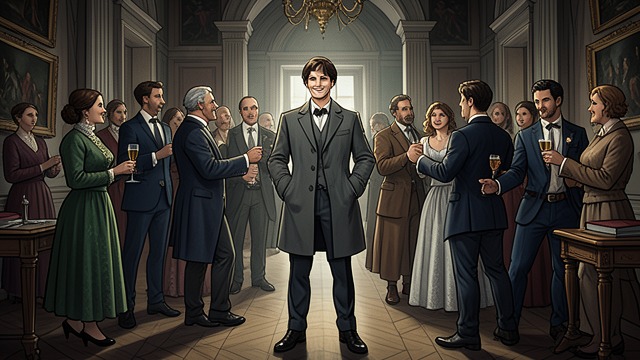
A Polished Young Dandy
Education and entrance
Eugene Oneguine receives a conventional education from foreign tutors, learning the manners, French, and dancing that make him legible to fashionable society.
His accomplishments win approval without requiring deep intellectual effort. The narrator introduces a young man shaped more by social expectations than by sustained study.
Promise and limitation
His social fluency becomes a tool for moving easily among people, but it does not supply a durable purpose.
The performance of sophistication foreshadows the boredom that follows when novelty and admiration lose their power.
Capital Pleasures
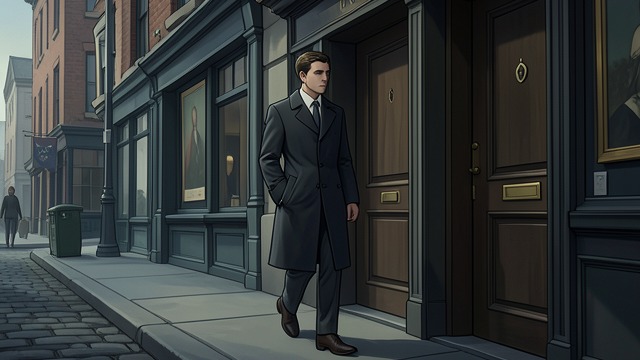
Capital Pleasures
The social circuit
Eugene moves through restaurants, theatres, balls, and late-night entertainments in St. Petersburg. His days and nights settle into a polished but repetitive routine.
Fashion gives him access to pleasures and attention, yet each new diversion soon resembles the last.
The first exhaustion
His appetite for social life weakens as he recognizes its sameness. The change matters because his later withdrawal begins not with deprivation, but with excess.
The city offers stimulation without a meaningful direction for his life.
Rural Inheritance
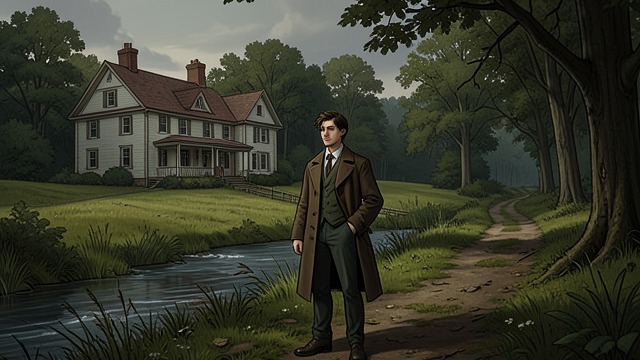
Rural Inheritance
An unwanted estate
Eugene inherits a country estate after traveling to see his dying uncle. He accepts the property with little grief and initially welcomes the change of scene.
For a short time, meadows, woods, and streams interrupt his accustomed routine.
Ennui follows him
The novelty fades within days. Eugene discovers that boredom does not depend on urban crowds; it can accompany him into the quiet countryside.
This inheritance changes his setting without changing his habits of mind, bringing him into contact with the Larin household and Vladimir Lensky.
The Fatal Duel
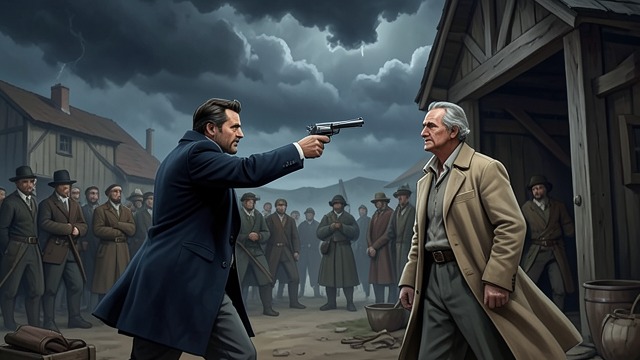
The Fatal Duel
A provocation becomes binding
Eugene flirts with Olga at the fête partly to punish Lensky for bringing him into an unwanted gathering. Lensky reads the behavior as a serious betrayal and challenges his friend.
Eugene recognizes that he acted badly, yet fears the judgment attached to refusing a duel.
Irreversible consequence
At the mill, Eugene fires first and kills Lensky. The social code that might have been questioned instead turns a petty grievance into a death.
Remorse follows the shot, but it cannot restore the friendship or the young poet’s future.
The Late Awakening
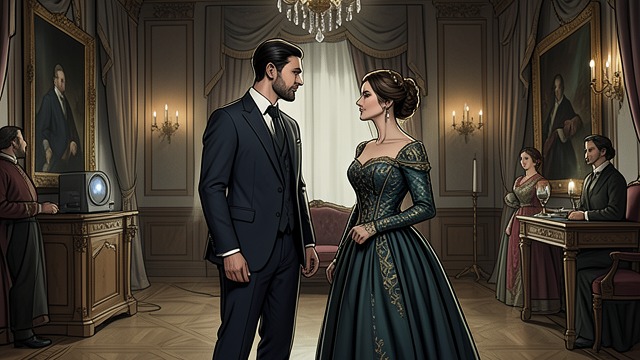
The Late Awakening
Recognition at the ball
Years after rejecting Tattiana, Eugene sees her again as a composed and admired married woman. Her changed position makes him recognize the value he once refused.
His old detachment gives way to persistent longing, and he pursues her through visits and letters.
A final refusal
Tattiana admits that she still loves him, but refuses to betray her marriage. Eugene’s desire arrives when its fulfillment would violate her chosen duty.
The ending leaves him alone with the consequences of missed timing and his earlier indifference.
early in Eugene Oneguine’s youth
during Eugene’s early years in St. Petersburg
after his uncle’s death
the morning after Tatyana’s name-day fête
after Eugene returns to St. Petersburg
