
Olga’s Resilience
Eugene OneginThis thread presents Olga’s cheerful social nature, brief bereavement, and return to life after Lensky’s death.
increasing Bearing strength in each event
 decreasing
Bearing strength in each eventdecreasingThe Lively Sister
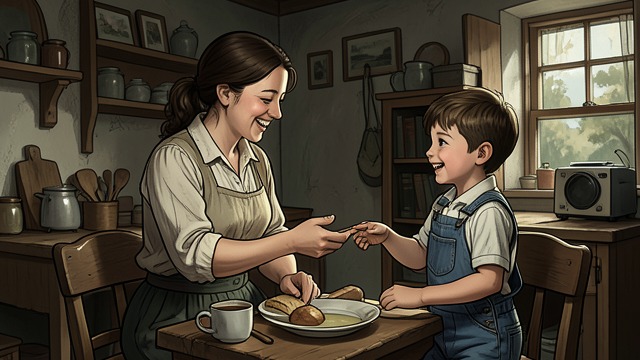
The Lively Sister
At home with ease
Olga is cheerful, sociable, and comfortable in the family’s rural routines. Her temperament contrasts with Tattiana’s reserve and inward attention.
Others readily regard her as attractive and marriageable.
An accessible ideal
Lensky loves Olga from childhood and makes her the center of his poetic imagination. The narrator suggests that Olga is ordinary and open where Lensky expects mystery.
Her character matters because it reveals the distance between a beloved person and the image built around her.
Courtship with Lensky
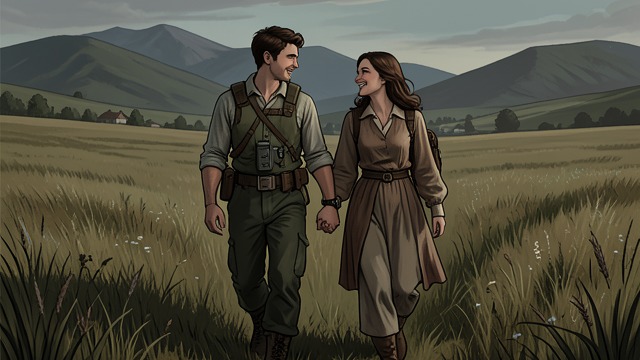
Courtship with Lensky
Familiar affection renewed
Lensky and Olga spend time together in walks, visits, and simple conversation. He treats their long attachment as a secure bond.
Olga responds with warmth, without the elaborate self-consciousness that Lensky associates with romantic love.
Different emotional registers
Their relationship is affectionate, but they do not necessarily experience it with equal intensity. Lensky’s poetry magnifies the connection, while Olga remains direct and present.
That difference becomes important when jealousy tests his assumptions.
The Flirtation Misread
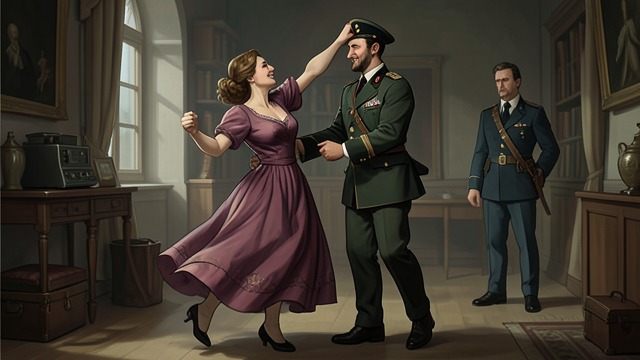
The Flirtation Misread
Eugene’s attention
Eugene chooses Olga as the focus of a flirtation meant to wound Lensky. Olga dances and speaks with him, apparently without reading the gesture as a serious declaration.
Lensky, by contrast, sees a breach of the relationship he thought secure.
Unintended consequences
Olga’s ordinary ease becomes the surface on which two men act out pride and resentment. She does not control the challenge or the conventions that follow.
The episode shows how little agency she has in the crisis, despite being its apparent center.
Bereavement
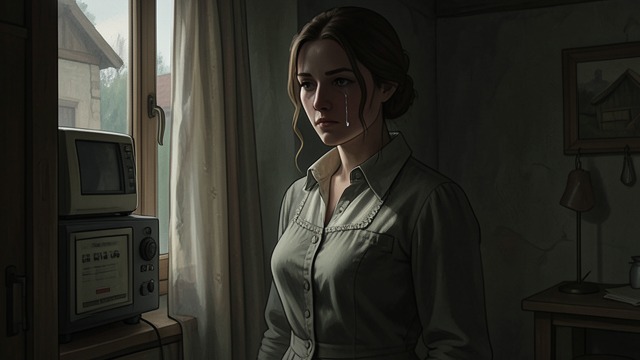
Bereavement
A short period of grief
Olga loses her fiancé to the duel and mourns him. Lensky’s death permanently ends the future he imagined for them.
Her sorrow is real even though the poem does not give it the prolonged inward intensity that it gives Tattiana’s grief.
Life resumes
Olga’s capacity to re-enter daily life contrasts with the narrator’s meditation on Lensky’s lost possibilities.
The different tempos of mourning emphasize that grief does not take one universal form.
Marriage and Departure
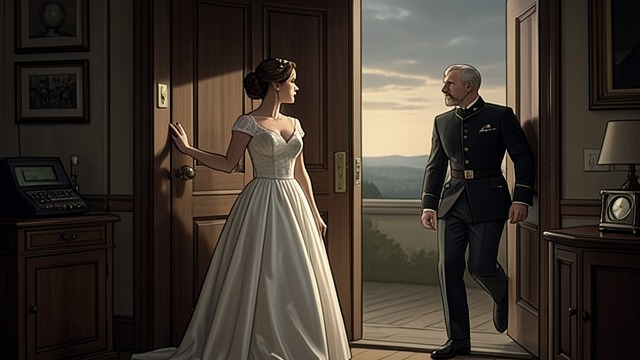
Marriage and Departure
A new attachment
A lancer captures Olga’s affection, and she marries him. She leaves the family home with her husband as his duties call him away.
Her life moves forward along a path unavailable to Lensky.
A contrast within the family
Olga’s departure leaves Tattiana more isolated and underscores how differently the sisters respond to love and loss.
The marriage does not resolve the tragedy of Lensky’s death, but it prevents his imagined future from defining Olga’s whole life.
during Olga’s childhood and early youth
after Lensky’s return to the district
at Tattiana’s name-day ball
after Lensky dies in the duel
some time after Lensky’s burial
