
Honor Against Conscience
Eugene OneginThis thread traces how a minor social slight escalates into a duel because public honor overrules private judgment.
increasing Bearing strength in each event
 decreasing
Bearing strength in each eventdecreasingA Small Provocation
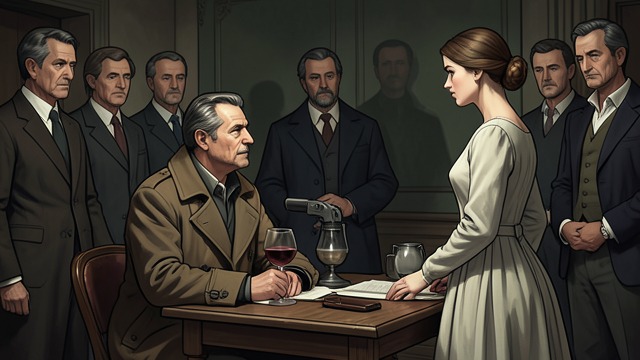
A Small Provocation
Irritation at the gathering
Eugene is bored and displeased to have been drawn into a crowded celebration. He decides to punish Lensky by giving Olga conspicuous attention.
His action begins as a spiteful joke rather than a serious attempt to win her affection.
A public injury
Lensky sees the flirtation and experiences it as a betrayal. Because the event happens before other guests, private hurt becomes entangled with public standing.
The scale of the response will far exceed the scale of the initial offense.
Jealousy Takes Shape
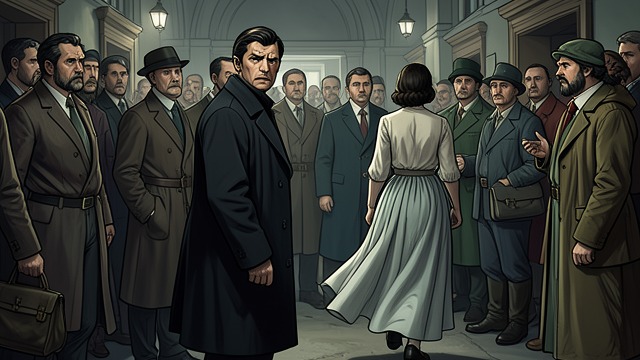
Jealousy Takes Shape
Anger without inquiry
Lensky leaves before he can ask Olga or Eugene what the flirtation meant. He turns the scene into evidence of deliberate disloyalty.
His idealized view of love makes uncertainty feel intolerable.
From feeling to challenge
Instead of seeking clarification, Lensky decides to defend his honor through a duel. His private jealousy now demands a public answer.
The poem shows how pride can convert wounded feeling into a lethal obligation.
The Challenge Accepted
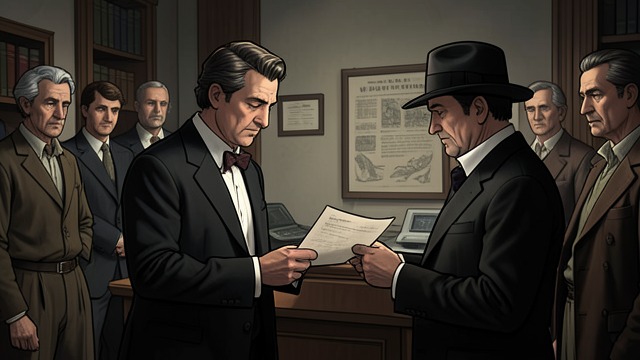
The Challenge Accepted
A courteous ultimatum
Zaretski brings Eugene Lensky’s formal challenge. Eugene accepts, responding with the conventional courtesy expected of the occasion.
The polite form hides the danger of what both men have agreed to do.
No immediate retreat
Eugene later recognizes that he should have refused the logic of the quarrel or reconciled with Lensky. Yet he does not withdraw the acceptance.
The conflict escalates because awareness of a better choice does not become action.
Honor’s Pressure
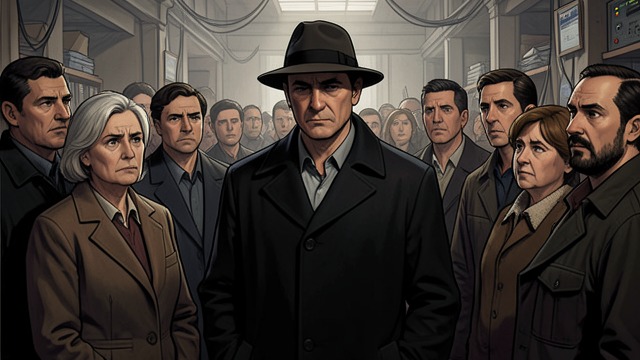
Honor’s Pressure
Conscience names the wrong
Eugene understands that he has injured Lensky and that his friend may be acting from youthful passion. His private judgment argues for restraint and reconciliation.
The duel is therefore not caused by ignorance alone.
Reputation wins
Eugene fears how refusal will look, especially with Zaretski managing the affair. Public opinion appears stronger than friendship or common sense.
The episode exposes the social code as a force that can make cowardice seem more shameful than killing.
Violence at the Mill
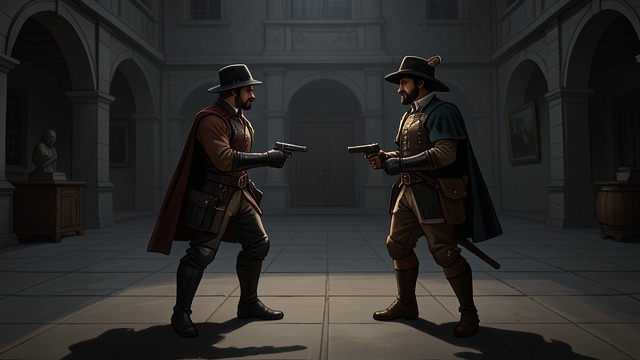
Violence at the Mill
Formal procedure
The seconds prepare the pistols, measure the ground, and observe the accepted ritual. Its precision gives violence the appearance of order.
The men advance until Eugene fires and Lensky falls.
The cost of honor
Zaretski removes the body, and Eugene’s remorse arrives after the fatal decision has become irreversible.
The duel reveals the lethal outcome of letting convention replace judgment.
during the name-day fête
after Lensky leaves the fête
the day Zaretski delivers Lensky’s challenge
during Eugene’s private review of the challenge
at dawn on the duel day
