
Lensky and Olga’s Romantic Bond
Eugene OneginThis thread reframes Lensky and Olga’s courtship as a bond shaped by poetic idealization, social familiarity, and unequal expectations.
increasing Bearing strength in each event
 decreasing
Bearing strength in each eventdecreasingLove Remembered from Childhood
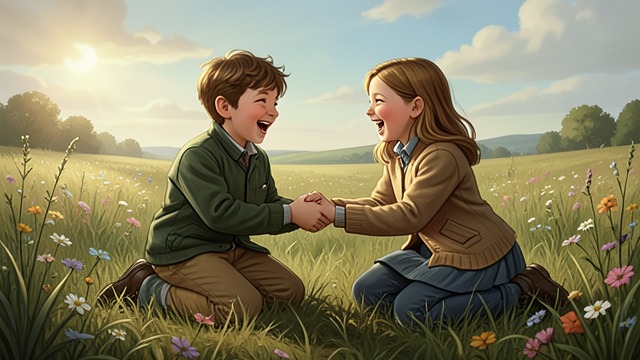
Love Remembered from Childhood
A bond made early
Lensky’s love for Olga begins in childhood, under the approving gaze of their families. The expectation that they may marry grows alongside their friendship.
Their history gives the courtship a sense of continuity.
Memory as an ideal
Lensky remembers Olga through the innocence of shared youth and turns that memory into a poetic image.
The emotional bond is genuine, but the ideal may reveal more about his imagination than about Olga’s complexity.
Courting in the Country

Courting in the Country
Everyday closeness
Lensky and Olga meet through walks, visits, and small gestures of affection. Their courtship is part of the routine social life of the district.
Olga’s warmth makes Lensky feel secure in his attachment.
Different intensities
Lensky invests the relationship with a depth expressed through poetry and expectation. Olga appears less given to solemn interpretation.
The difference does not prevent affection, but leaves room for misunderstanding when the bond is tested.
A Dance Misread
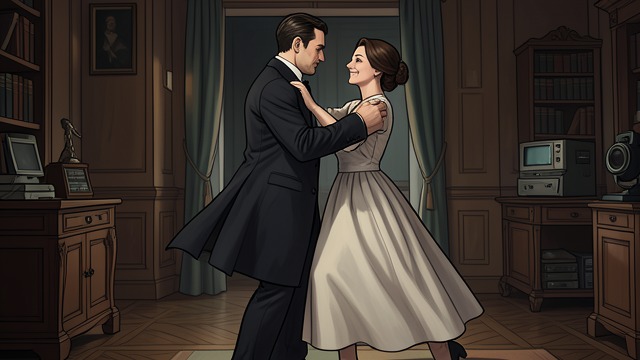
A Dance Misread
Attention without commitment
Eugene flirts with Olga during the fête, using her presence to provoke Lensky. Olga accepts his attention without treating it as a new romance.
Lensky sees a threat to the love he assumes is unshakable.
An exposed bond
The incident reveals how much Lensky’s security depends on a picture of Olga that has never been questioned. His jealousy turns the pair’s private bond into a public dispute.
A brief dance becomes more powerful than years of familiar attachment.
Forgiveness Without Knowledge
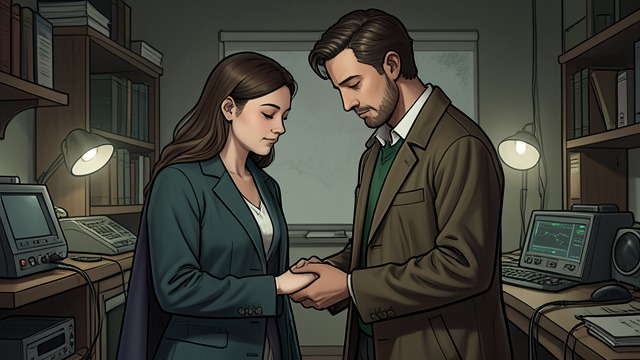
Forgiveness Without Knowledge
Tenderness returns
Olga greets Lensky as she usually does, and his jealousy softens. Her ordinary warmth convinces him that he remains loved.
He is tempted to ask forgiveness, but cannot bring the duel into their conversation.
A hidden danger
The lovers share a calm moment while the challenge remains active. Their closeness makes the coming death more painful because reconciliation was possible but never attempted.
The bond is not broken by mutual understanding; it is cut short by decisions made elsewhere.
Love After Death
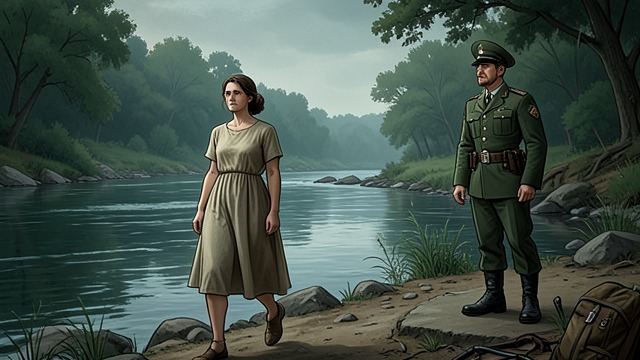
Love After Death
Grief changes direction
Olga mourns Lensky, then later finds affection with a lancer. Her life continues beyond the idealized future that the dead poet imagined.
The movement surprises anyone who assumes that grief must remain permanent to prove love was real.
The bond’s unfinished meaning
Lensky’s memory remains part of the story, even as Olga builds another life. Their relationship ends without a final conversation about the fête or the duel.
The absence of closure is part of the tragedy, not evidence that their earlier affection meant nothing.
before Lensky’s adult return
after Lensky returns to the district
during Tattiana’s name-day ball
the morning after the fête
after Lensky’s burial
