
Eugene and Lensky’s Companionship
Eugene OneginThis thread follows the friendship between Eugene and Lensky as its contrasts create both intellectual interest and fatal vulnerability.
increasing Bearing strength in each event
 decreasing
Bearing strength in each eventdecreasingAn Unlikely Friendship
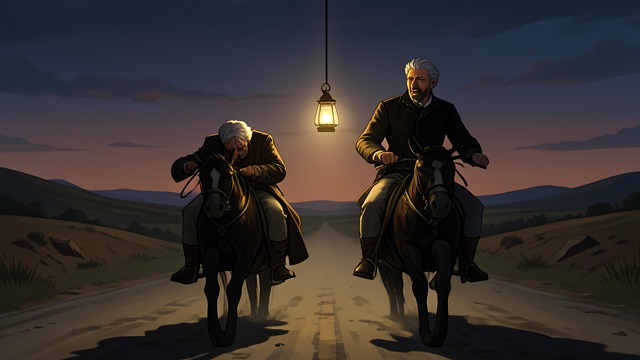
An Unlikely Friendship
Opposite temperaments
Eugene is skeptical and weary, while Lensky is enthusiastic and full of belief. At first their differences seem to promise little companionship.
Repeated rides and shared time gradually bring them together.
A bond without certainty
The narrator suggests that habit and leisure help form their friendship. Its origins are casual, but the relationship becomes important to both men.
Their unequal outlooks create a friendship that can be affectionate without being fully understood.
The Listener and the Dreamer
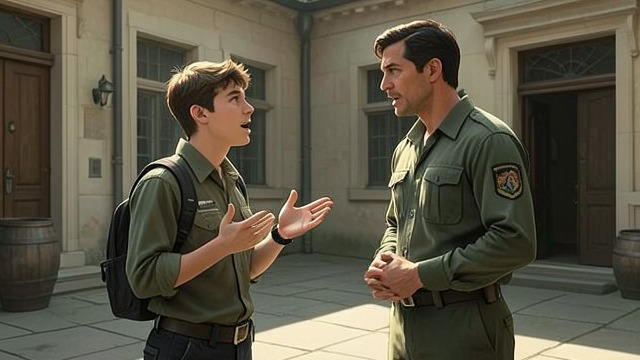
The Listener and the Dreamer
Lensky speaks freely
Lensky shares his theories, hopes, and account of his love for Olga. Eugene listens with patience, often withholding the mockery his cynicism might invite.
The restraint suggests that he recognizes something worth protecting in his friend’s youth.
An uneven intimacy
Lensky reveals his inner life more completely than Eugene does. Their closeness therefore contains an imbalance between confession and observation.
That imbalance matters when Eugene later uses Lensky’s feelings to provoke him.
A Friend Used as a Target
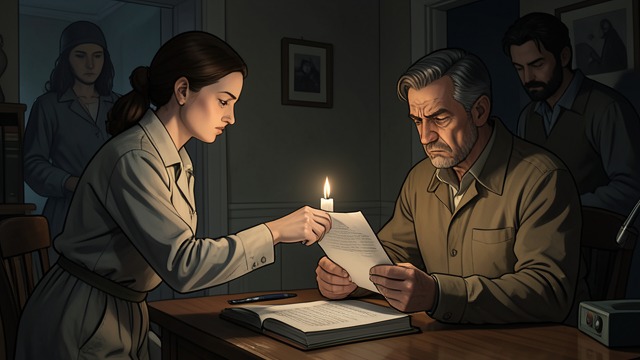
A Friend Used as a Target
A deliberate slight
Eugene chooses Olga as the instrument of his irritation with Lensky. The act treats the friendship’s trust as something he can spend for amusement.
Lensky receives the insult with overwhelming seriousness.
Affection under strain
Eugene’s later regret confirms that the act conflicts with the care he has shown Lensky in quieter moments.
The friendship fails not because the men never cared, but because care does not overcome pride and social pressure in time.
The Unchosen Reconciliation
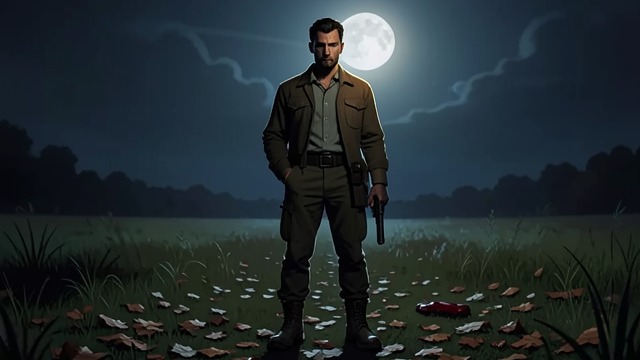
The Unchosen Reconciliation
A path still open
Eugene recognizes that he could have dismissed Lensky’s angry challenge and explained his conduct. He knows that Lensky’s youth and sincerity call for patience.
His conscience points toward preserving the friendship.
Fear defeats affection
Eugene worries about the judgment of society and accepts the duel instead. He chooses an impersonal code over the personal knowledge that Lensky is his friend.
The failed reconciliation is the last point at which their bond might have survived.
A Friendship Ended by Violence
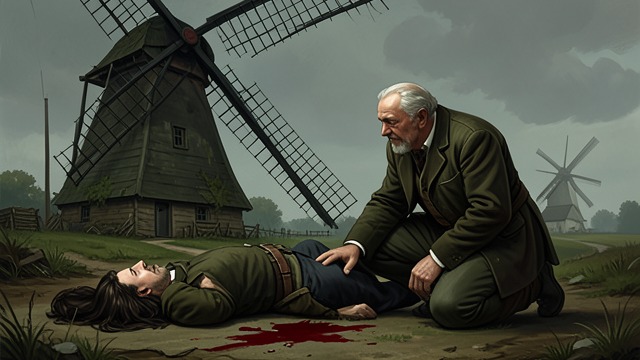
A Friendship Ended by Violence
The fatal result
Eugene’s shot kills Lensky at the windmill. The friend who once listened to his conversations now lies beyond response.
The duel makes the breach final and literal.
Memory without forgiveness
Eugene’s remorse cannot reach Lensky, and the poem offers no scene in which the dead friend forgives him.
The friendship survives only as memory, tied to Eugene’s later isolation and to the narrator’s meditation on lives cut short.
soon after the two neighbors meet
during their conversations in the countryside
during the name-day celebration
after the challenge is delivered
at the duel’s conclusion
