
Memory and Oblivion
Eugene OneginThis thread traces how memory preserves affection and loss while time changes the people and communities that remember them.
increasing Bearing strength in each event
 decreasing
Bearing strength in each eventdecreasingA Childhood Remembered
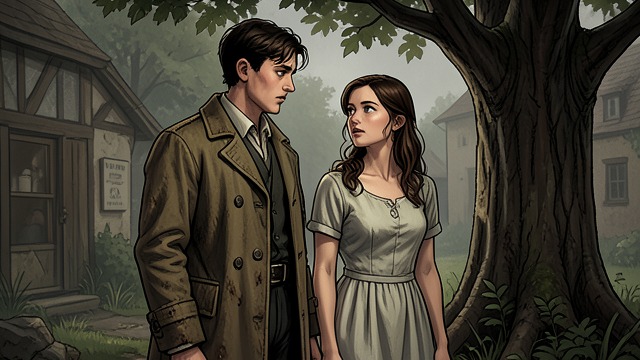
A Childhood Remembered
Memory gives shape to love
Lensky remembers the dead Larina patriarch and his own childhood beside Olga. The recollections connect the present courtship to an earlier family world.
Personal history makes his expectations feel rooted and permanent.
A fragile continuity
The memory is sincere, but the past cannot guarantee the future. Lensky’s imagined marriage depends partly on what childhood seemed to promise.
The poem shows memory both sustaining affection and setting expectations reality may not meet.
The Letter Preserved
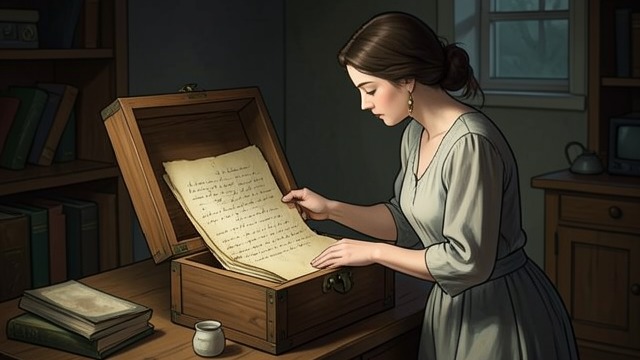
The Letter Preserved
A document of vulnerability
Tattiana’s letter survives as an expression of her earlier openness. The narrator recalls its tenderness and presents it to readers in translation.
Its preservation gives a private feeling a life beyond the moment of delivery.
Memory changes meaning
What once looked like an immediate plea becomes, in retrospect, the beginning of a long emotional history.
The letter’s significance changes as Tattiana grows and Eugene later becomes the one who writes in hope.
The Grave at the Stream
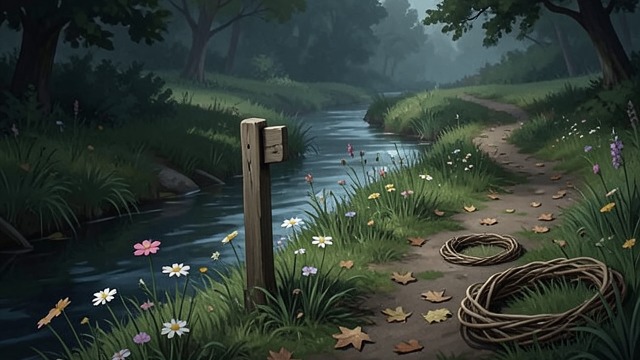
The Grave at the Stream
A modest memorial
Lensky is buried beside a stream beneath trees. A simple marker and occasional visits preserve his place in the rural landscape.
The site becomes a quiet point of remembrance rather than a grand monument.
Time wears attention away
The narrator shows the path growing neglected and the wreaths disappearing. Everyday life continues around the grave, even as some visitors pause to read the inscription.
Memory persists unevenly, vulnerable to the pressures of time and ordinary routine.
Tattiana Reads the Past
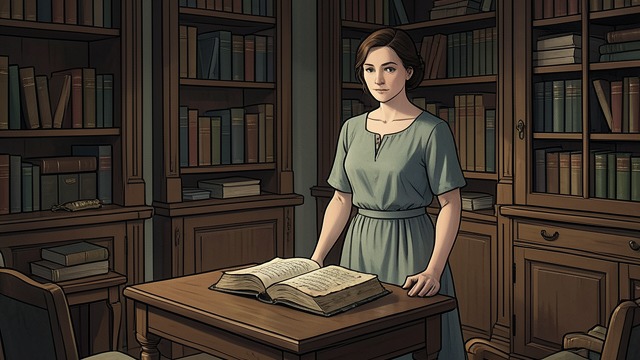
Tattiana Reads the Past
Memory attached to objects
Tattiana enters Eugene’s former rooms and sees the objects and books that recall his presence. The house lets her revisit the past in a material form.
The visit makes remembrance active and investigative.
A revised portrait
She does not merely cherish the earlier image of Eugene; she studies the marks he left and revises her understanding of him.
Memory becomes a process of interpretation, capable of changing even when the remembered events cannot change.
The Narrator’s Farewell
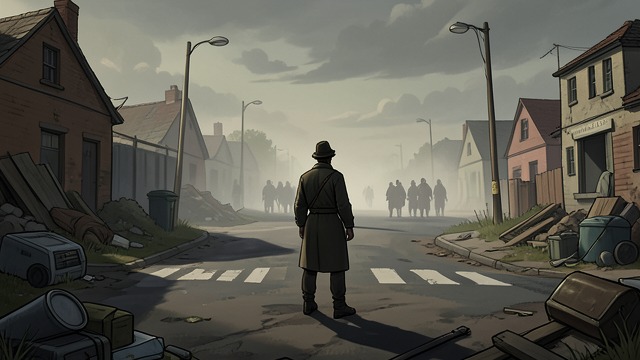
The Narrator’s Farewell
Companions lost to time
The narrator remembers readers and friends who have died or gone away, then bids farewell to the characters he has accompanied.
The act of finishing the story echoes the experience of losing company in life.
An incomplete remembrance
Eugene’s future remains unknown, while the romance preserves Tattiana, Lensky, and their turning points in narrative memory.
The poem closes by accepting that remembrance can endure without restoring what has been lost.
during Lensky’s visit to the family graves
after Eugene rejects Tattiana
after Lensky’s burial
during her visit to Eugene’s abandoned home
in the final lines of the poem
