
From Country Estate to Capital
Eugene OneginThis thread traces the movement from Eugene’s inherited rural estate and the Larin countryside to Tattiana’s entry into Moscow and Petersburg society.
increasing Bearing strength in each event
 decreasing
Bearing strength in each eventdecreasingA Country Inheritance
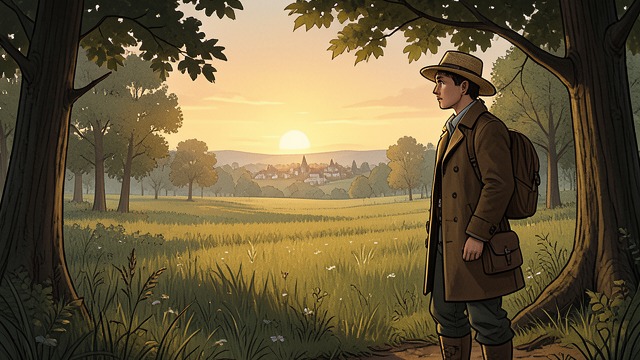
A Country Inheritance
A new setting
Eugene takes possession of an estate of woods, meadows, and fields after his uncle’s death. Rural life briefly offers a contrast to the capital’s crowded pleasures.
He changes the arrangement of peasant obligations, which makes neighboring landowners judge him foolish and suspect him of dangerous ideas.
A temporary experiment
The estate appears to offer a new way of living, but Eugene’s interest soon fades.
The countryside becomes the stage for encounters with Lensky and the Larin family, rather than a durable cure for his dissatisfaction.
The Larin Household
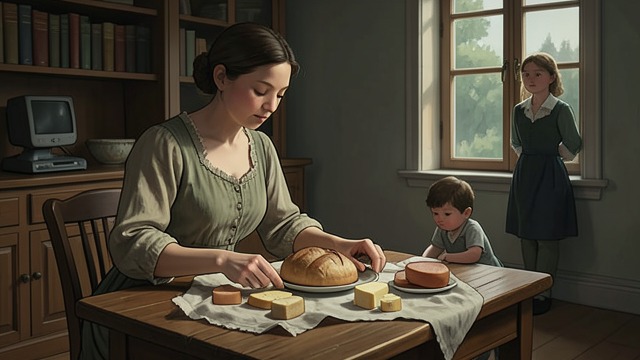
The Larin Household
Inherited customs
Madame Larina presides over a household shaped by country rituals, visits, seasonal observances, and practical domestic labor.
Her marriage began without romantic choice, and habit gradually made a stable life possible.
A sheltered world
The daughters grow up within this familiar order, though Tattiana’s inwardness sets her apart from its routines.
The household’s calm becomes the foundation from which courtship, gossip, and loss will disturb the family’s provincial security.
A Visit Becomes Gossip
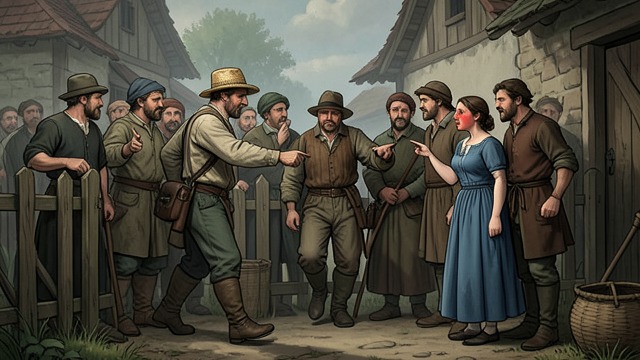
A Visit Becomes Gossip
Neighbors interpret the encounter
Eugene’s appearance at the Larina household sets local speculation in motion. Neighbors quickly imagine a match for Tattiana and treat social hints as evidence of a coming marriage.
Their assumptions reveal how closely private feeling is watched in a small community.
A public frame for private love
Tattiana is embarrassed by the gossip but also feels its emotional promise. The crowd’s interpretation reinforces the significance she already gives Eugene.
Village society does not cause her love, but it helps turn her private hope into an event everyone seems to anticipate.
The Moscow Journey
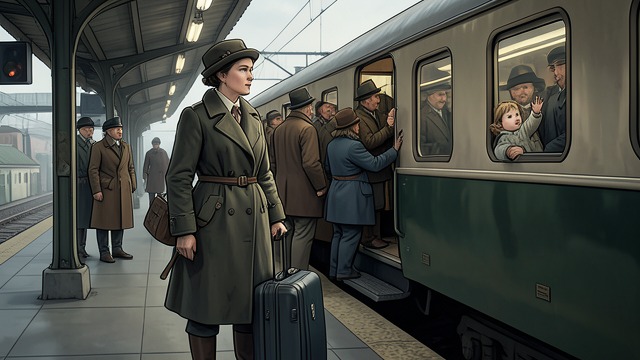
The Moscow Journey
A mother’s decision
With Tattiana refusing the men who court her, Madame Larina accepts advice to take her daughter to Moscow. The journey is organized as a search for a suitable marriage.
The crowded train of coaches and household goods contrasts with Tattiana’s attachment to a simpler rural life.
Departure and transition
Tattiana says farewell to the familiar landscape, aware that she is leaving a world that formed her. Moscow offers social opportunity but also exposure to scrutiny and display.
Her departure moves the story from provincial intimacy toward the public world in which Eugene will later find her again.
Capital Recognition
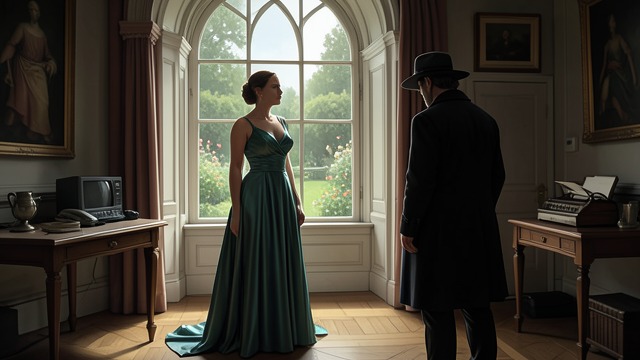
Capital Recognition
A changed public identity
Tattiana has become a respected figure in elite society and is married to a prince. Eugene initially struggles to reconcile this woman with the country girl he once knew.
Her position gives her social authority, but her private history remains active beneath her calm manner.
The countryside persists
When Eugene finally speaks with her alone, Tattiana recalls the garden and home where their earlier encounter unfolded.
The capital’s glamour cannot erase the past; it instead makes the contrast between their former and present lives impossible to ignore.
after Eugene reaches his uncle’s estate
during the family’s ordinary rural life
after Eugene first visits the Larin home
after Tattiana refuses local suitors
near the end at a St. Petersburg gathering
