“Habit was given us in distress by Heaven in lieu of happiness”
Eugene Onegin“Habit was given us in distress by Heaven in lieu of happiness” is a reflective maxim that presents habit as a substitute consolation when happiness is unavailable. Set beside a household’s renewed domestic order, it joins an abstract claim about human endurance to the practical routines through which discord gives way to contentment.
Meaning and Form
The line gives habit a providential source: it is described as something Heaven grants amid distress, not as happiness itself. The distinction matters. Habit does not erase suffering or promise delight; it offers a steadier condition in which people may continue living when happiness is out of reach. The compact balance between distress and happiness makes the expression sound at once resigned and consoling.
Domestic Context
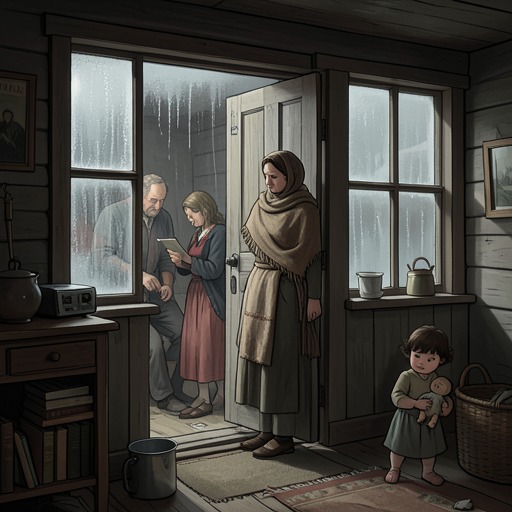
The surrounding account turns from reconciliation to the work of the house. Its mistress learns how to dominate her worthy lord, and harmony is soon restored. She supervises the workers and salts mushrooms for winter. These specific duties place the maxim within a life shaped by management, labor, and recurring preparation: domestic routine is not merely an abstraction but a pattern of actions that helps sustain an ordered household.
Narrative Significance
The expression interprets the household’s change without treating restored harmony as uncomplicated happiness. First comes reconciliation, then contentment; the work of the house follows as an ordinary structure for maintaining that condition. The maxim’s irony lies in its modest measure of consolation: habit can make distress livable, while the narrative shows how everyday practice gives that proposition concrete form.