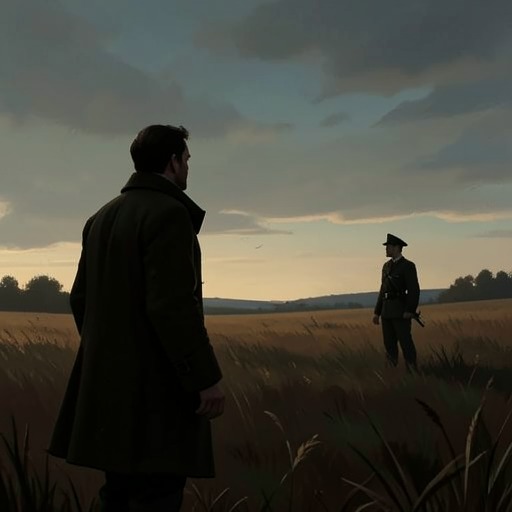
“Happy he who in youth was young”
Eugene Onegin“Happy he who in youth was young” is a compact reflection on age, experience, and the cost of growing up. The lines set youthful openness against the endurance learned later, presenting maturity not as an unqualified triumph but as something reached through life’s frosts.
Wording and Development
The expression begins a paired reflection: “Happy he who in youth was young,” followed by the equally important qualification, “Happy who timely grew mature.” The repetition of “Happy” gives both conditions weight. Youthfulness and maturity are not treated as rivals; the passage values having been young in youth and having become mature in due time.
The next lines explain what such maturity entails. The person praised has “life’s frosts which early wrung” and has “gradually learnt to endure.” The cold image makes hardship tangible, while “gradually” emphasizes adaptation over sudden transformation. The verse therefore connects happiness not with an absence of difficulty, but with learning to bear what life brings.
Context and Contrast
The expression occurs within a broader meditation on the passage from youth into later life. Its balanced opening gives way to a more qualified account: happiness belongs to those who have not been deranged by visions or estranged from the polite world. The passage thus places endurance alongside freedom from delusion and social alienation, rather than celebrating youthful feeling without reservation.
That contrast also clarifies the phrase’s retrospective tone. To have been young when young is presented as a completed season of life, not a condition that can simply be preserved. Maturity follows, carrying the marks of experience; the ideal lies in passing through these stages in their proper order.
Significance
The expression’s memorable force comes from its plain, balanced structure. The repeated blessing sounds simple, but the lines that follow complicate it: early hardship has left its mark, and endurance must be learned over time. Happiness is therefore both a recollection of youth fully lived and a recognition of the resilience required afterward.
Within the passage, the phrase acts as a hinge between youthful possibility and the more measured consciousness of age. Its praise is neither an instruction to remain young nor a claim that maturity erases suffering. Instead, it gives value to the sequence itself: youth, timely maturity, and the gradual capacity to endure.