Memory and oblivion
Eugene OneginMemory and oblivion in Eugene Oneguine are not opposites so much as unequal forces: remembrance can preserve an image for a time, but public attention fades, paths to monuments disappear, and even grief becomes difficult to sustain. The poem places the abandoned grave of a poet beside the narrator’s affectionate address to his own book, making literary remembrance at once a shelter from loss and an admission that no memorial can stop time.
The Erosion of Public Remembrance
The grave first appears as a place where moonlight falls on lament and an embrace. Yet this scene of intimate mourning gives way to neglect: nobody now attends to the monument of woe, its pathway has been effaced, and there is no wreath on the bough. The physical traces of remembrance are specific and fragile. The grave remains, but the route to it and the ritual sign of grief have vanished; the memorial’s continued existence does not guarantee that anyone will remember whom it marks.
The poem extends that image into a general meditation on mortality. It asks whether the world is sealed and dumb to the one who has become callous to everything on earth, then imagines the same unmoved oblivion awaiting those still living beyond the grave. The voices of lovers, enemies, and friends belong to a social world that death leaves behind, but they do not promise a lasting audience for the dead. The shift from one neglected monument to this universal prospect makes oblivion not an exceptional misfortune but a condition that eventually reaches everyone.
A Poet Displaced from Memory
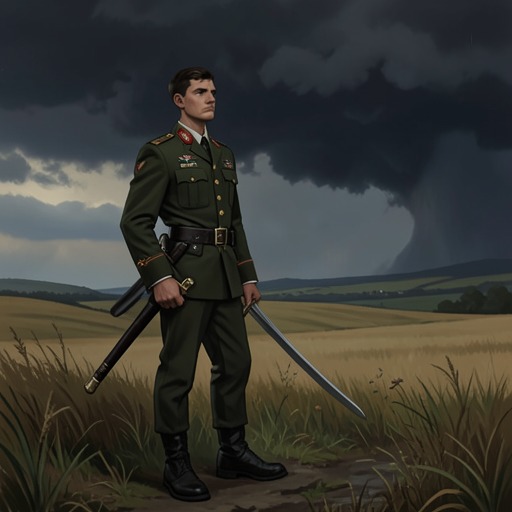
The dead poet’s fate makes that condition concrete. Men have already ceased to remember him, and his betrothed has been given to another. The reversal is stark: the poet who once belonged to a network of affection and recognition is replaced both in public memory and in the intimate future once associated with his engagement. His memory is driven away like smoke across the blue sky, an image of disappearance without a visible boundary or recoverable trace.
The poem does not claim that remembrance is entirely extinguished. Two hearts may still be desolate and continue to mourn him, even after the larger world has moved on. That possibility preserves a distinction between collective forgetting and private grief, while the poem’s question about why his fate should be mourned refuses an easy consolation. The few who remember cannot restore the dead man’s place in the world, reverse his betrothed’s new attachment, or make their grief durable public knowledge. Their mourning is real, but its survival is uncertain.
The Book as Refuge and Memorial
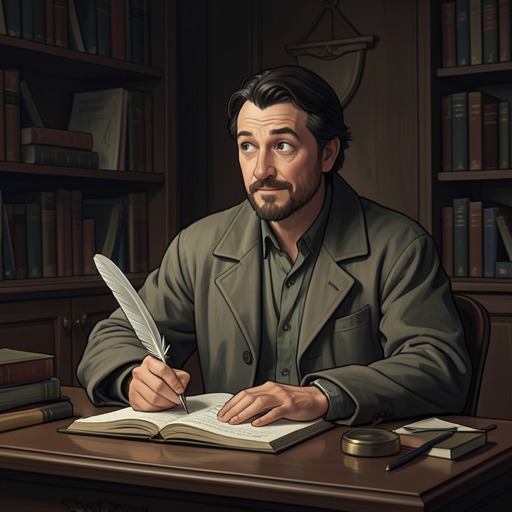
At the poem’s close, remembrance takes a different form. The narrator addresses his little book as a companion through which he knew what a poet could desire: oblivion of life’s tempest and the grateful intercourse of friends. The book has offered temporary refuge from the turbulence of living while also holding the record of a relationship with its readers and friends. Its value therefore lies not in defeating loss, but in giving a form to moments of relief and companionship that time has carried away.
The narrator measures that distance by years: many have run their course since those experiences. The book can bring the past into language, but the very act of addressing it reveals how far the remembered world now lies from the present. Literary remembrance is neither the untouched survival of experience nor simple erasure. It is a return shaped by elapsed time, preserving affection while making absence perceptible.
Loss, Survival, and the Limits of Recall
The poem’s memorial images and its closing address hold two scales of memory together. The neglected grave shows remembrance failing in public and material forms; the narrator’s little book shows a personal record still capable of renewing a sense of friendship. Neither image offers permanence. A pathway can disappear, a wreath can go unplaced, and the remembered poet can be displaced by the living arrangements of others. Conversely, a book can keep past companionship available to recollection without restoring the years or people that made it possible.
The narrator finally reflects that it is fortunate to leave life’s banquet before discovering the dregs of its brimming cup. Against the earlier image of a poet forgotten after death, this ending gives departure a bitterly qualified advantage: survival may expose people to losses that an earlier ending would have spared them. Memory cannot undo those losses, and oblivion cannot make them harmless. The poem’s account of remembrance rests in that unresolved interval, where a few hearts may persist in mourning and a book may preserve an echo, but neither can arrest the passage of time.