
Written Memory and the Self
Even If This Love Disappears From the World TonightMaori's records allow each day's self to inherit information, while also exposing the limits of a life translated into notes.
increasing Bearing strength in each event
 decreasing
Bearing strength in each eventdecreasingThe Binder's Instructions
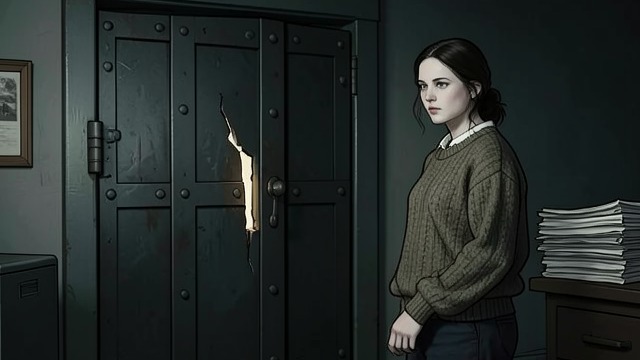
A Self Explained in Writing
Essential information
Maori's binder tells her about the accident, the memory loss, and the rules she follows. It offers dependable facts in a moment when her own recollection cannot explain the world.
Knowledge without continuity
Reading the binder helps her act, but does not give her the lived memories that normally make those facts intimate. The document can orient her without making yesterday feel like hers.
The Journal's Daily Bridge
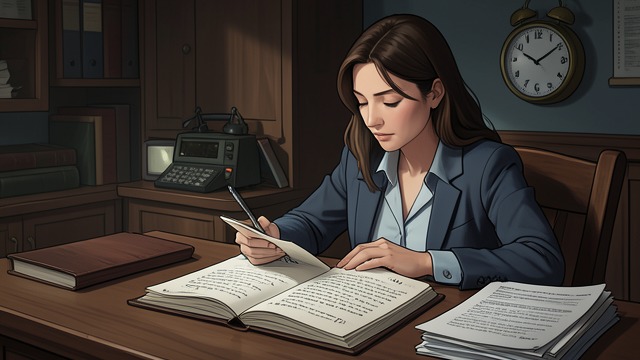
Inheriting Yesterday's Account
A record of a relationship
Maori reads that she has a boyfriend and learns his name, habits, and shared plans. The journal lets her approach Tooru with useful familiarity even though she cannot remember meeting him.
A life made legible
Weekly summaries and dated entries keep her from starting entirely without context. Yet she understands that every experience must be translated into writing or it will vanish from her accessible story.
Writing Around Pain
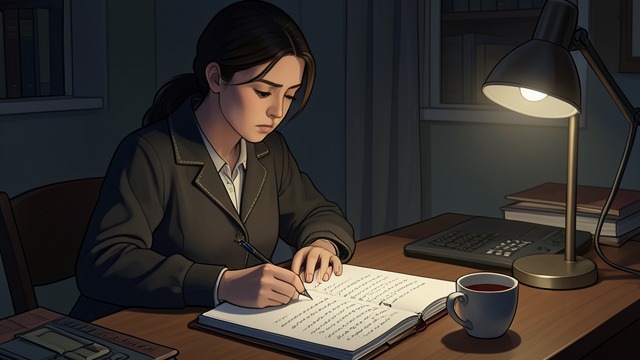
The Journal Can Also Hurt
A record of despair
Maori reads that a previous self stayed home, refused food, and rejected company. The account causes the next self to confront distress she did not experience consciously but now knows belongs to her.
Editing the burden
Izumi later suggests removing that day's entry so it will not repeatedly burden Maori. The moment reveals that records preserve more than comfort; they can also transmit pain across resets.
The Record Erased
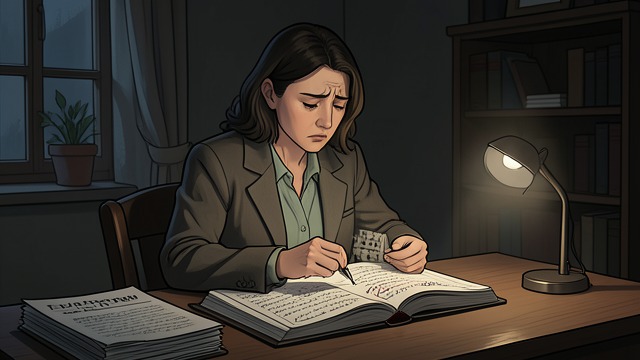
A Story Altered for Safety
Rewritten continuity
Izumi and Sanae replace Tooru in Maori's written history, reshaping outings so the journal appears consistent. The edited version becomes the information Maori uses to understand her days.
A missing life
Because the records are her principal route to the past, removing Tooru makes their relationship difficult for her to discover. A written account can sustain identity, but it can also be deliberately made incomplete.
Original Pages Restored

The Record Reopened
Originals returned
Once Izumi confesses, Maori receives her original journal, binder, and drawings. She reads the account of Tooru not as a daily survival instruction but as evidence of a love she has lost access to.
Records as a beginning
The pages do not instantly restore memory. They give Maori a route toward asking questions, listening to his voice, and choosing what she wants to carry forward.
The first morning after the accident
The morning she prepares for her first date
After an emotional crisis in mid-May
The days after Tooru's funeral
After the hidden sketchbook is found
