
Preserving Creatures and Habitats
Fantastic Beasts and Where to Find ThemThis flow traces the increasingly organized effort to preserve magical creatures through protected places, legal restrictions, and international cooperation.
increasing Bearing strength in each event
 decreasing
Bearing strength in each eventdecreasingConcealment as Protection
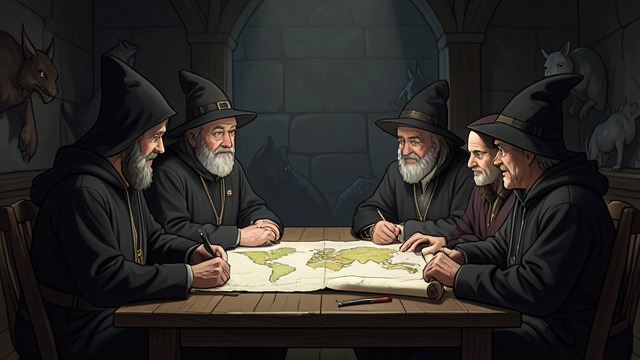
Concealment as Protection
A difficult choice
The International Confederation of Wizards debates which creatures must be hidden and how their habitats can be protected. The decision treats secrecy as a means of keeping both magical communities and vulnerable species safe.
More species included
Twenty-seven species are first selected, and the list grows as magical concealment becomes more reliable. The expanding effort suggests that protection requires adapting to diverse creatures rather than applying one solution to all.
Concealment is not portrayed only as control. It can also preserve room for creatures to live beyond Muggle pressure, though it makes their survival dependent on human institutions.
Habitats Set Aside
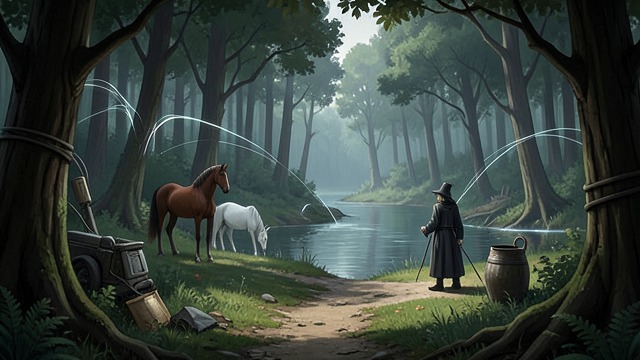
Habitats Set Aside
Space for different lives
Authorities create safe forests for Centaurs and Unicorns and designate lakes and rivers for Merpeople. Charms discourage trespass, while unplottable land provides stronger protection in exceptional cases.
Protection has limits
Some communities willingly remain within designated territories, but others are harder to contain. Dragons may seek prey beyond their reservations, and certain creatures defeat ordinary repelling charms.
The habitats acknowledge that protection requires space and distance. They also reveal the limits of human planning when the animals’ needs and powers do not conform to fixed boundaries.
A Reservation for Dragons
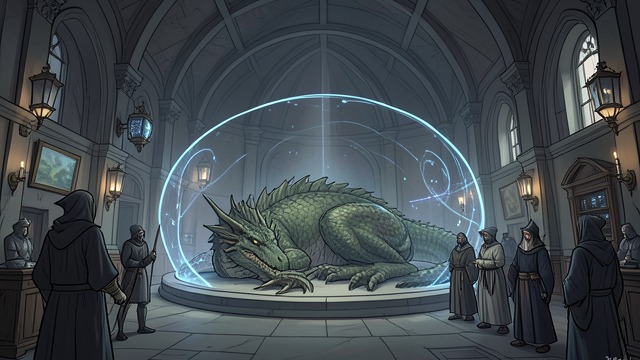
A Reservation for Dragons
Management at scale
Dragon reservations require constant wizarding supervision because Dragons may leave in search of prey. A protected area must balance the animals’ needs with the danger of their reaching inhabited places.
Research and recovery
The Romanian dragon reservation becomes an important centre for studying different breeds at close range. It also supports an intensive programme for the Romanian Longhorn as its population declines.
The example joins research to conservation. A reservation is not simply a fence around danger; it is a managed place where knowledge and recovery can occur together.
Protecting the Golden Snidget
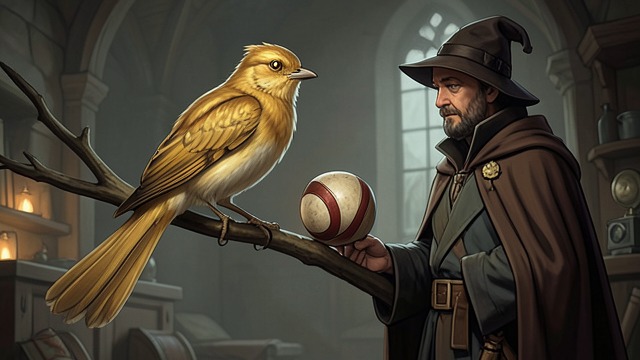
Protecting the Golden Snidget
Popularity becomes a threat
The Golden Snidget’s speed and striking appearance make its feathers and eyes highly prized. Wizards hunt it so heavily that the species approaches extinction.
A substitute changes the game
Protection becomes more effective when the bird is replaced by the Golden Snitch in Quidditch. Snidget sanctuaries also help safeguard surviving populations.
The episode shows conservation succeeding through changes in human behaviour as well as restrictions. When an admired creature is no longer required for a popular sport, preservation becomes more achievable.
A Ban on Creating Monsters
A Ban on Creating Monsters
An end to experimental creation
The 1965 Ban on Experimental Breeding makes the creation of new species illegal. Newt Scamander regards this as a major achievement because it prevents new, untameable monsters from being produced in Britain.
Conservation through restraint
The ban adds a preventive dimension to creature protection. Rather than waiting for dangerous breeding experiments to create an emergency, authorities restrict the activity that could produce one.
Its principle is broader than avoiding inconvenience. Human ingenuity carries responsibilities, and preservation sometimes requires refusing to create or manipulate life for curiosity or profit.
at the International Confederation of Wizards summit of 1692
after Clause 73 establishes governing responsibilities
when the dragon breeds are described
before the Golden Snitch replaces it in Quidditch
1965
