
Comic Relief and the Children’s Fund
Fantastic Beasts and Where to Find ThemThis flow follows the charitable partnership behind the special edition and the path from book sales to practical support for children.
increasing Bearing strength in each event
 decreasing
Bearing strength in each eventdecreasingA Charity’s Established Work
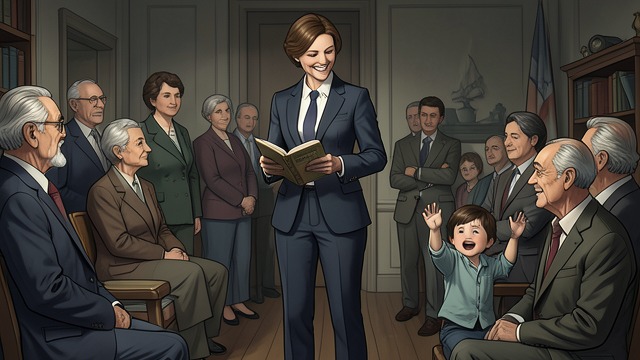
A Charity’s Established Work
An existing mission
Comic Relief U.K. begins in 1985 and raises money for charities addressing serious human needs. Its work is already established before the Harry Potter books become a new fundraising opportunity.
A shared opening
J. K. Rowling has long supported the organization and wants to write the companion books. A request from Richard Curtis creates a way to combine her interest in publishing with charitable work.
The partnership grows from an existing public mission rather than a promotional afterthought. The books provide a new route through which readers can participate in that work.
The Books Join the Appeal
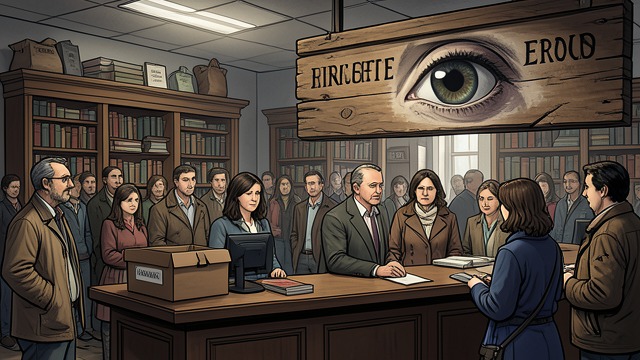
The Books Join the Appeal
A percentage for children
Twenty percent of the retail sales price less taxes from Fantastic Beasts and Where to Find Them and Quidditch Through the Ages is directed toward children’s causes through the Harry’s Books fund.
Shared production effort
Publishers, vendors, retailers, and other contributors help bring the books to readers. Their participation makes a charitable share of sales possible while keeping the books’ publication central to the appeal.
The arrangement links an ordinary purchase to collective giving. Each book sold contributes to a fund whose purpose extends beyond the reader’s enjoyment.
A Fund Named for Harry
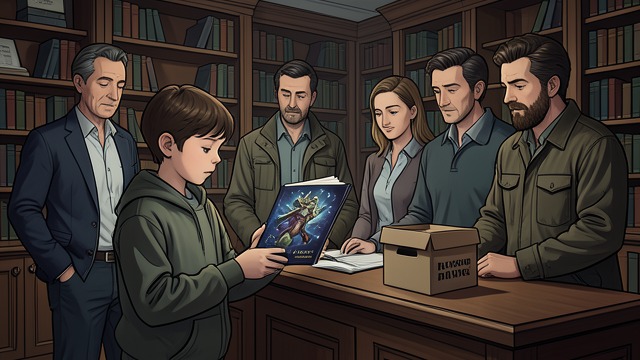
A Fund Named for Harry
A specific charitable purpose
The Harry’s Books fund is created to support children in need around the world. Its aims include education, action against child slavery, and reuniting families separated by war.
Support beyond schooling
The fund also addresses the AIDS and HIV epidemic and supports child victims of landmine explosions. Its scope links the purchase to several distinct forms of hardship.
Naming the fund for Harry gives the project a recognizable identity, but its purpose remains practical. The focus is on children’s lives and the forms of support their circumstances require.
Every Book Counts

Every Book Counts
Small contributions, real effects
The introductory appeal stresses that every book sold counts and uses the cost of a week of schooling to make a modest sum feel consequential. The example invites readers to imagine a direct result of giving.
Transparency for purchasers
Readers are directed to information about how the fund’s money is being used. The charity’s sponsored costs are presented as a reason public donations can reach projects rather than administration.
The campaign builds trust by pairing an accessible example with accountability. Its emotional appeal depends on showing both what contributions can do and how they are handled.
The Book Reaches Muggle Readers

The Book Reaches Muggle Readers
A special publication
The special edition appears in Muggle bookshops as well as Flourish and Blotts. Its availability turns a fictional wizarding textbook into a direct invitation to readers outside that world.
A charitable ending
Part of the sales price supports the children’s fund, and Dumbledore encourages additional donations. The publication therefore combines entertainment, fictional framing, and a practical fundraising mechanism.
The project completes the journey from charity partnership to reader participation. Buying the book becomes a small action connected to support for children across the world.
1985
when the two companion books are planned for charity
when Comic Relief U.K. and J. K. Rowling establish the fund
during the special edition sales campaign
September 2001
