
The Book’s Ethical Instruction
Fantastic Beasts and Where to Find ThemThis flow traces the guide’s implicit lesson that useful knowledge combines safety, humility, care, and an awareness of what remains unknown.
increasing Bearing strength in each event
 decreasing
Bearing strength in each eventdecreasingLearning What a Creature Is
Learning What a Creature Is
A definition under pressure
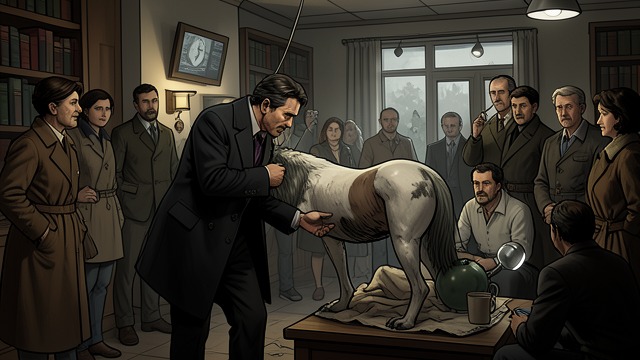
Newt Scamander opens with the disputed meaning of “beast,” using Werewolves, Centaurs, and Trolls to test easy assumptions. Physical appearance, intelligence, and magical power point in different directions.
Knowledge tied to judgment
The issue matters because classification affects legal rights and representation. To identify a creature accurately is also to consider how society will treat it.
The book establishes that description is never wholly neutral. Knowledge begins with naming, but responsible naming requires attention to the consequences of categories.
Observing Before Concluding
Observing Before Concluding
An account reconsidered
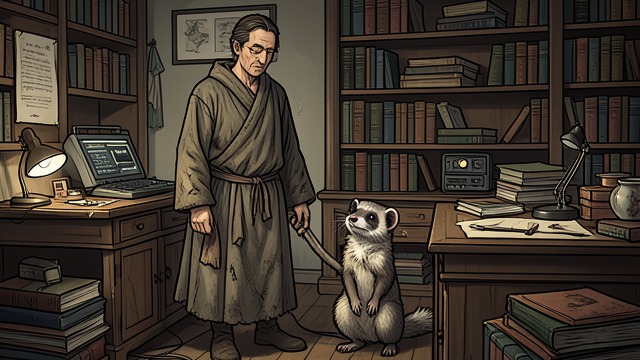
The monk’s supposed talking ferret becomes, under Newt’s interpretation, a likely encounter with a Jarvey. A vivid first report can be sincere and still mistaken.
Evidence and restraint
Newt distinguishes what the witness experienced from what the creature probably was. The explanation depends on comparing the account with known animal behaviour rather than accepting its first label.
The method models a careful kind of reading. Good observation does not mean believing every interpretation; it means respecting the report while examining what could explain it.
Safety Through Specificity
Safety Through Specificity
Different dangers require different responses
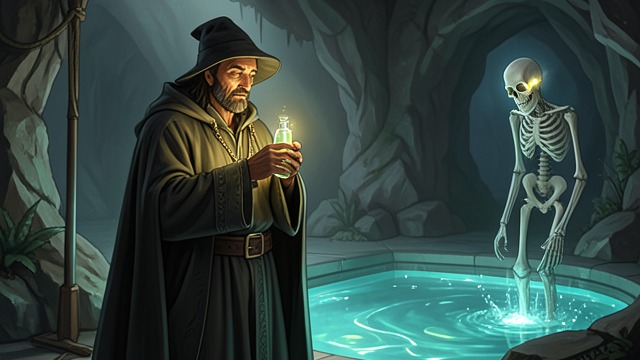
The entries distinguish between an Erumpent’s explosive fluid, a Kelpie’s lure, and a Lethifold’s attempt to suffocate its victim. The guide does not treat all threats as interchangeable.
Practical knowledge replaces bravado
Readers are given precautions, limits, and countermeasures, such as the need for experts to approach a Hippogriff. Knowledge encourages restraint where confidence might otherwise invite harm.
The book presents safety as a product of understanding rather than fear alone. Accurate detail makes it possible to avoid unnecessary contact and respond intelligently when contact occurs.
Admitting What Cannot Be Known
Admitting What Cannot Be Known
A story without witnesses
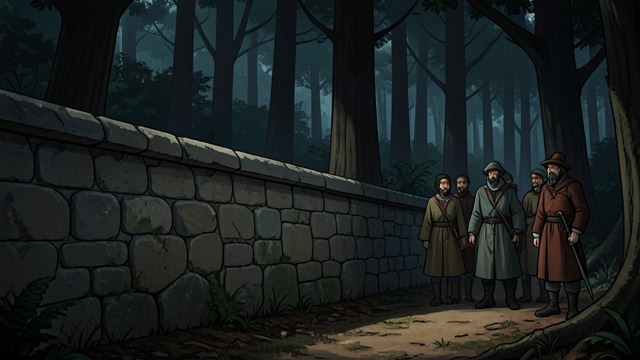
The Isle of Drear’s alleged transformation of the MacBoons into Quintapeds cannot be confirmed by surviving family members. The creatures do not speak and resist attempts at capture.
A qualified conclusion
Newt presents the legend as uncertain rather than established fact. The possibility remains intriguing, but the evidence does not permit certainty.
This restraint is a form of expertise. The guide teaches readers that careful scholarship sometimes preserves a question instead of forcing it into an answer.
Protecting What Remains Unfamiliar
Protecting What Remains Unfamiliar
A reason to preserve
Newt argues that magical creatures should be protected so future generations can experience their beauty and powers. The case applies even to animals that are savage and untameable.
The unfinished work
He expects further species to be discovered and anticipates revised editions. Protection must therefore continue as understanding changes and new creatures enter human awareness.
The book’s ethical conclusion joins humility to responsibility. People need not fully master a creature before recognizing an obligation to leave a world in which it can continue to live.
in the introductory question about beasts
when Newt explains the history of Muggle awareness
as readers consult the creature entries
when the Quintaped origin legend is assessed
at the close of Newt’s introduction
