
Regulating Creature Commerce
Fantastic Beasts and Where to Find ThemThis flow traces how dangerousness, rarity, and commercial value produce rules over breeding, ownership, and the trade in magical creatures and their products.
increasing Bearing strength in each event
 decreasing
Bearing strength in each eventdecreasingA Framework for Risk

A Framework for Risk
Five levels of perceived danger
The Ministry of Magic classifies magical beasts from harmless or boring to known wizard killers. The scale offers readers an at-a-glance guide to how difficult a creature may be to handle.
More than a price label
The ratings do not directly determine a creature’s commercial value, but they establish a language of risk around human contact. Some highly rated creatures are protected because of rarity or the difficulty of managing them.
The system supports regulation by making danger legible. Yet the book’s explanatory notes remind readers that a rating needs context before it can guide conduct.
Protected Eggs and Imports
Protected Eggs and Imports
A valuable target
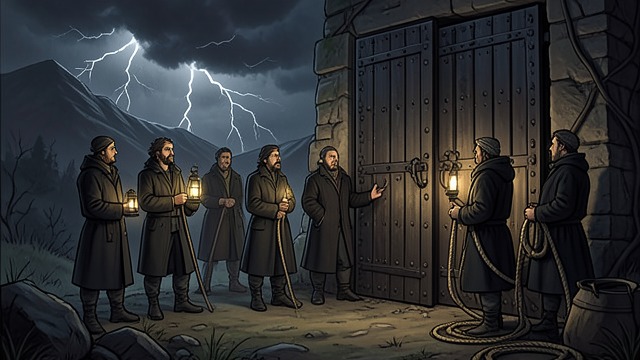
Acromantula eggs are enormous and valuable enough to invite interest from traders. The species itself is dangerous and difficult to train, making commerce in its young especially troubling.
Class A restrictions
The eggs are defined as Class A Non-Tradeable Goods, carrying severe penalties for importation or sale. The rule makes their protection an explicit matter of enforcement.
This example shows how trade law can intervene before a dangerous animal changes hands. Regulation targets not only adult creatures but also the products and stages of life that might fuel a market.
Dragon Products and Demand
Dragon Products and Demand
Commercial attraction
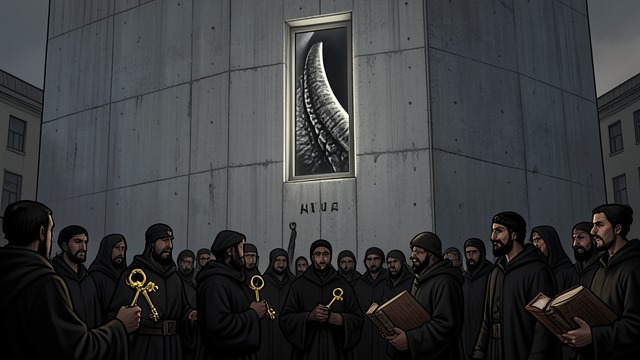
Dragon hide, blood, heart, liver, and horn have magical properties, creating demand for valuable materials. Dragon eggs, by contrast, are identified as non-tradeable goods.
Conservation pressure
The Romanian Longhorn’s declining numbers are linked to trade in its horns, prompting an intensive breeding programme. Its horns are placed in a controlled trade category rather than left to unrestricted sale.
The dragon entries connect market value to ecological consequences. When rare creatures become sources of prized materials, commerce can threaten the very populations that make those goods available.
Licences for Unusual Pets
Licences for Unusual Pets
Keeping creatures at home
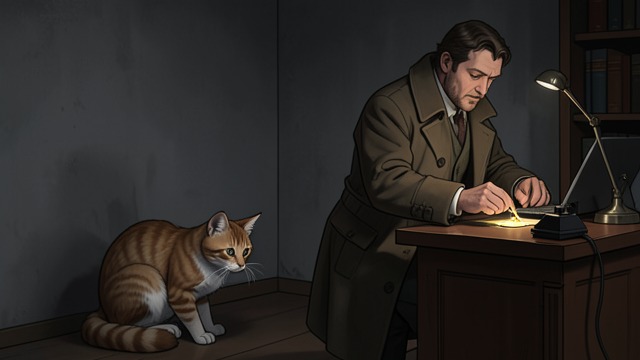
Some creatures may be kept as pets, but ownership brings specific obligations. Crup owners must control the dogs in Muggle areas, while a Kneazle requires a licence because its appearance may draw attention.
Concealment as care
Fwooper owners need licences because the bird’s song can harm listeners and its Silencing Charm requires upkeep. Controls address both public secrecy and the safety of people around the animal.
The rules show that affection alone does not make ownership responsible. A pet can be beloved and still create risks that require knowledge, licences, and daily attention.
The Experimental Breeding Ban
The Experimental Breeding Ban
Preventing new dangers
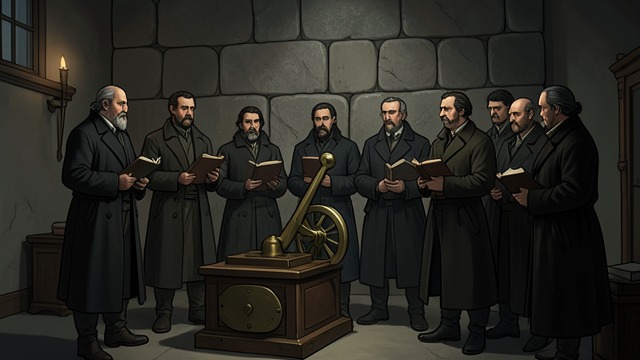
The 1965 Ban on Experimental Breeding makes the creation of new species illegal. Newt Scamander identifies the ban as one of the achievements of which he is proudest.
Limits on magical invention
The policy responds to the possibility that breeding experiments could produce untameable monsters. It places a boundary around human attempts to manipulate creature life for novelty or convenience.
The ban represents regulation as prevention rather than punishment after disaster. It treats restraint as a necessary part of responsible work with magical animals.
when Ministry classifications are presented
when Acromantula eggs are described
when the dragon breeds are catalogued
when pet ownership rules are described
1965
