
The Infrastructure of Magical Secrecy
Fantastic Beasts and Where to Find ThemThis flow traces the institutions, offices, and practical measures that turn secrecy from an aspiration into an organized system.
increasing Bearing strength in each event
 decreasing
Bearing strength in each eventdecreasingAn International Standard
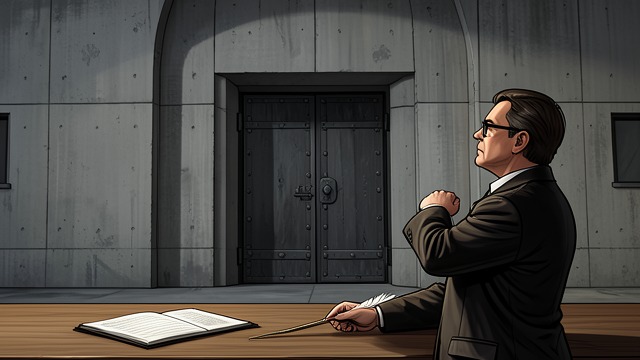
An International Standard
A shared code
Clause 73 of the International Code of Wizarding Secrecy requires each wizarding government to manage magical creatures within its borders. The rule establishes a common international expectation.
Accountability across borders
If a creature harms Muggles or draws their attention, the responsible authority may face discipline. Secrecy depends on local action backed by international oversight.
The code provides structure, but its effectiveness depends on institutions with enough knowledge and authority to act. The next challenge is turning a general rule into everyday practice.
A Large Creature Department
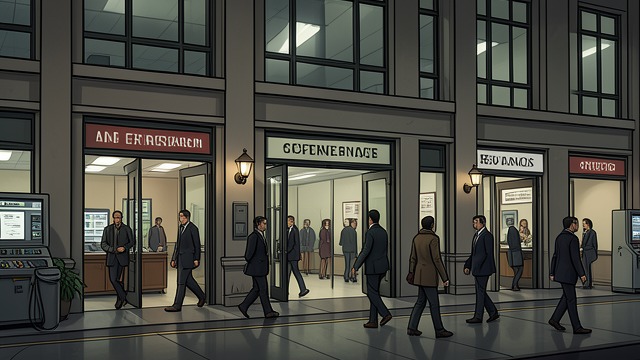
A Large Creature Department
Specialized administration
The Department for the Regulation and Control of Magical Creatures is the Ministry’s second-largest department. It handles the varied needs of the many species under its care.
Work divided by function
The department includes different divisions and services, including pest control and offices concerned with distinct categories of creatures. Its scale reflects the breadth of the task.
Secrecy requires specialization because creatures differ in behaviour, danger, and habitat. A single official response could not meet every need that the book describes.
Habitat Supervision
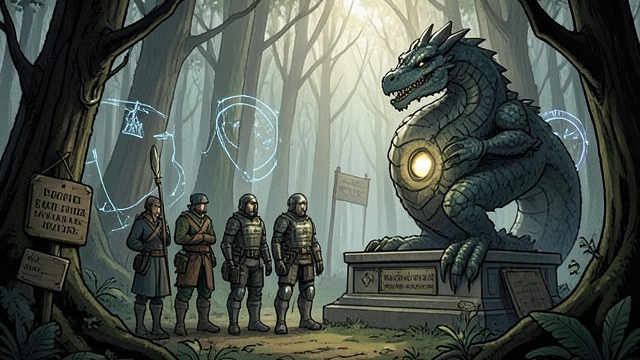
Habitat Supervision
Protected places
Muggle-Repelling Charms safeguard forests and waterways, while some territories are made unplottable. These measures keep people away from creatures that need space.
Continuous oversight
Dragon reservations demand ongoing supervision because Dragons may leave in search of prey. Where a creature can defeat protective charms, managers must adapt their plans.
The system acknowledges that a boundary needs people and maintenance behind it. Protected space is a continuing responsibility rather than a one-time magical act.
Specialist Pest Response
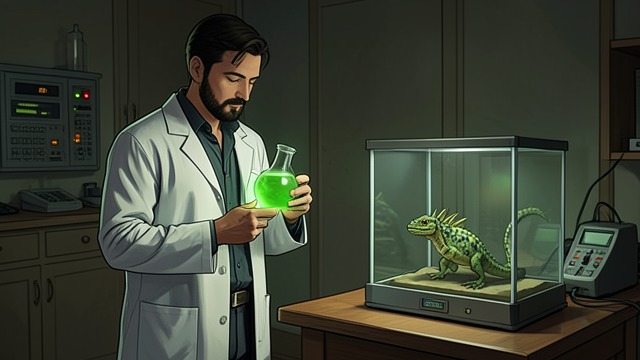
Specialist Pest Response
Local remedies first
Scouring charms may clear ordinary Bundimun infestations, while patented potions can destroy Chizpurfles. Household owners have some responsibility to act early.
Escalation to experts
If Bundimuns grow too large or Chizpurfles become swollen with magic, the Pest Sub-Division should be contacted. The department’s expertise is needed when a routine remedy is no longer safe.
This tiered response makes public administration practical. It allows small problems to be managed locally while creating a path to specialist intervention when danger escalates.
Emergency Coordination

Emergency Coordination
When ordinary explanations fail
The Office of Misinformation becomes involved in the worst magical-Muggle collisions, where events are too obvious for casual denial. It liaises with the Muggle prime minister to construct a plausible explanation.
Secrecy at the highest level
Its work on Loch Ness photographs shows the need to manage evidence and public interpretation. Emergency secrecy requires coordination beyond creature specialists.
The infrastructure extends from local animal control to government communication. A successful system must respond not only to creatures but also to the social consequences of their appearance.
1750
when the Ministry’s departments are described
when safe areas and reservations are explained
when household infestations are too severe for owners
after a major magical-Muggle collision
