
From Dangerous Encounter to Practical Knowledge
Fantastic Beasts and Where to Find ThemThis flow traces how memorable creature encounters become cautionary knowledge that helps readers understand danger without reducing every animal to a monster.
increasing Bearing strength in each event
 decreasing
Bearing strength in each eventdecreasingA Question About Danger
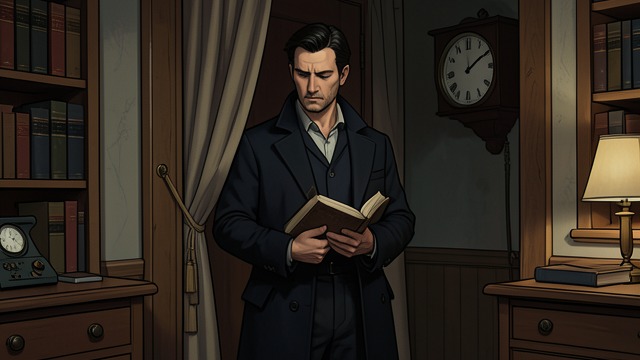
A Question About Danger
A usable classification
The guide begins its creature entries with Ministry ratings that indicate perceived dangerousness. Readers can quickly see whether an animal is considered harmless, difficult, or deadly.
Limits of the scale
The classification is only an at-a-glance guide. Explanatory notes distinguish aggression from rarity, respect, or the difficulty of domestication.
This framework gives practical knowledge an accessible starting point. The entries then expand each rating into the details readers need to judge a particular encounter.
The Basilisk’s Lethal Gaze
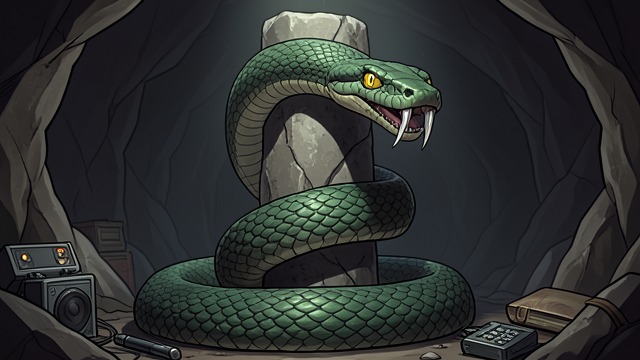
The Basilisk’s Lethal Gaze
A distinctive danger
The Basilisk is described as a gigantic serpent with venomous fangs and a gaze that kills anyone who looks directly into its yellow eyes. The warning identifies its most dangerous means of attack.
Knowledge that restricts creation
The entry recounts Herpo the Foul’s breeding of the first recorded Basilisk and notes that creating them has long been illegal. The creature’s uncontrollability makes the practice dangerous even to Dark wizards.
The account moves from anatomy to regulation. Knowing what the Basilisk can do explains both the severity of its classification and the decision to prohibit its creation.
A Kelpie’s Water Trap
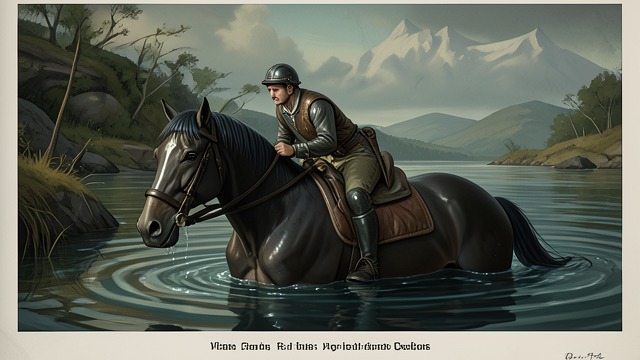
A Kelpie’s Water Trap
A familiar disguise
A Kelpie most often appears as a horse, inviting an unwary person to climb onto its back. It then dives beneath the water and devours the rider.
A specific countermeasure
The guide explains that a Placement Charm can put a bridle over its head and render it docile. Understanding the method changes the encounter from helplessness to a manageable risk.
The entry shows why useful knowledge must be precise. General warnings about a dangerous water demon are less effective than knowing the creature’s lure and how to counter it.
The Lethifold’s One Defence
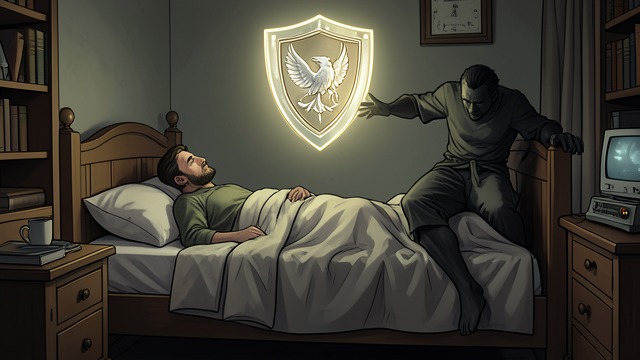
The Lethifold’s One Defence
An attack during sleep
Flavius Belby describes a Lethifold sliding beneath his door and trying to smother him in bed. His first spells fail, and the attack leaves little room for ordinary help.
The knowledge readers inherit
Belby survives by casting a Patronus, which Newt identifies as the only known spell to repel the creature. The account makes that narrow point of knowledge urgent and memorable.
A frightening story becomes a practical warning. The reader learns that a specific danger may have a single known defence and that recognizing it can mean the difference between survival and death.
Learning Without Demonizing
Learning Without Demonizing
Different creatures, different responses
The A–Z entries describe animals that are lethal, shy, helpful, comic, or difficult to manage. Their classifications and habits resist a single account of magical nature.
Caution joined to wonder
Newt’s purpose is not simply to catalogue threats but to help readers understand the creatures that inhabit their world. Practical precautions sit beside accounts of beauty, unusual powers, and ordinary behaviour.
The book’s knowledge is strongest when it combines safety with attention. Readers can respect danger without assuming that every creature exists only as a threat to humans.
at the start of the A–Z guide
when the Basilisk entry is reached
when the Kelpie entry is reached
when Flavius Belby’s account is presented
in Newt’s concluding reflection
