
The Making of a Magizoological Textbook
Fantastic Beasts and Where to Find ThemThis flow traces how Newt Scamander’s childhood fascination becomes a researched, widely used guide and eventually a charitable special edition for Muggle readers.
increasing Bearing strength in each event
 decreasing
Bearing strength in each eventdecreasingA Childhood Fascination
A Childhood Fascination
First encounters
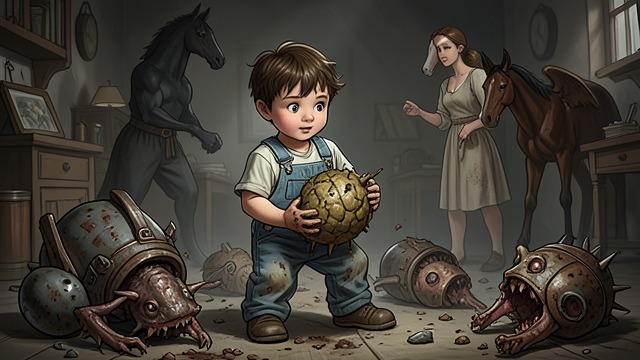
As a seven-year-old, Newt Scamander spends hours taking apart Horklumps. His curiosity begins not in a classroom but in close, sometimes grubby attention to creatures that other people might dismiss.
A lasting direction
His mother’s enthusiasm for breeding Hippogriffs gives that childhood interest a family setting. The young observer’s play anticipates the journeys and research that will define his adult work.
The book presents curiosity as the beginning of disciplined knowledge: fascination sends Newt toward creatures, while careful observation will eventually make his experience useful to others.
A Ministry Apprenticeship
A Ministry Apprenticeship
Entry into public service
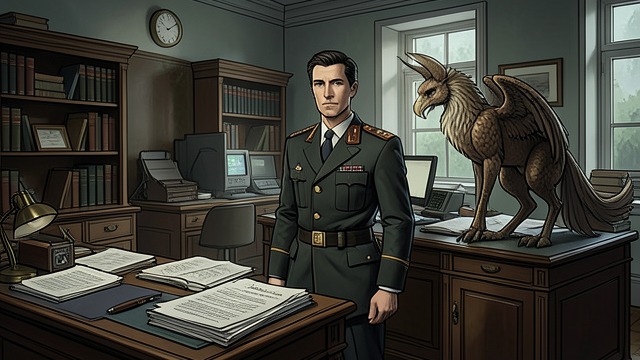
After leaving Hogwarts School of Witchcraft and Wizardry, Newt joins the Department for the Regulation and Control of Magical Creatures. His first posting, at the Office for House-Elf Relocation, tests his patience rather than satisfying his interest in beasts.
Finding his vocation
Two years later, transfer to the Beast Division places his unusual knowledge at the centre of his work. His rapid promotion follows from expertise accumulated through sustained attention.
The career shift connects private passion with institutional responsibility. Newt’s knowledge becomes more than personal fascination: it equips him to study, regulate, and protect magical creatures.
Research Across Continents
Research Across Continents
Fieldwork as evidence
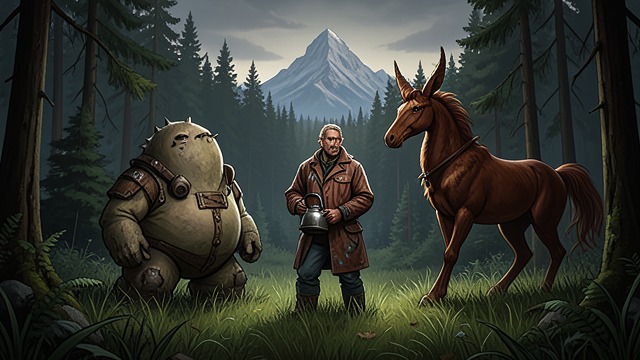
Newt travels across five continents, visiting lairs, burrows, and nests and observing creatures in many countries. His encounters include gaining animals’ trust and, at times, defending himself with a travelling kettle.
From observation to record
The resulting entries draw on direct encounters rather than speculation alone. Travel gives the book its breadth, while the practical hazards of fieldwork keep its knowledge grounded in experience.
The research portrays magizoology as patient contact with living creatures. Newt’s authority rests on going where they live and learning to notice their habits, powers, and boundaries.
A Commission Becomes a Book
A Commission Becomes a Book
The publishing proposal
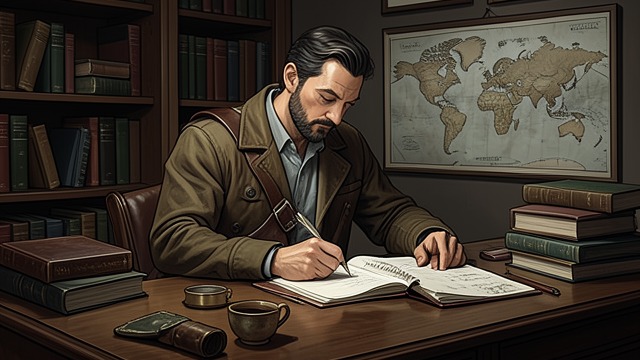
Augustus Worme of Obscurus Books asks Newt to write an authoritative compendium of magical creatures. Newt accepts the opportunity both to improve his modest income and to travel in search of species.
A working reference
The project eventually becomes Fantastic Beasts and Where to Find Them, commissioned in 1918 and first published in 1927. Its continued use and repeated editions show how field research can become a shared educational resource.
The book’s long life exceeds its original commission. What began as paid work grows into a textbook and a familiar reference for wizarding households.
A Special Edition for Charity
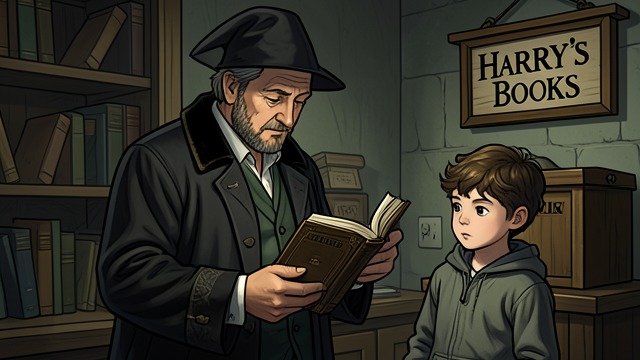
A Special Edition for Charity
A new readership
For a special edition, material presented as Harry Potter’s annotated copy is made available to Muggles. Newt agrees to the reprinting, while Albus Dumbledore frames the unusual publication as a chance for the wizarding world to help a charitable cause.
Knowledge put to use
The edition supports Comic Relief U.K.’s Harry’s Books fund, which directs part of its sales income toward children in need. The book thus carries its subject matter beyond magical education and into fundraising.
Its publication becomes a final extension of the original project: a guide to creatures also becomes a means of supporting human lives. The transition links Newt’s long work to J. K. Rowling’s charitable partnership.
around 1904
after Newt graduates from Hogwarts
during Newt’s Ministry research trips
1918
September 2001
