
A History of Magical Concealment
Fantastic Beasts and Where to Find ThemThis flow traces the movement from exposed magical creatures and dangerous misunderstandings toward coordinated laws and practical secrecy measures.
increasing Bearing strength in each event
 decreasing
Bearing strength in each eventdecreasingMuggle Recognition in the Middle Ages
Muggle Recognition in the Middle Ages
Creatures in art and story
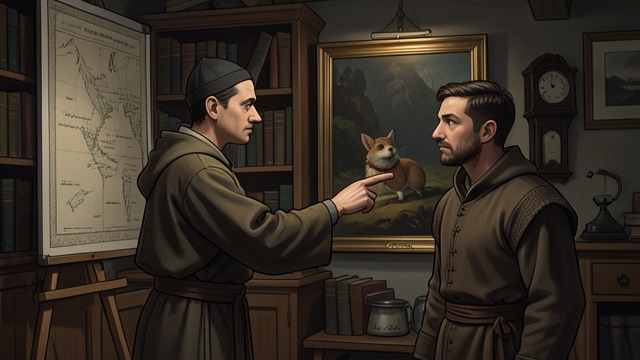
Medieval Muggle works depict Dragons, Griffins, Unicorns, Phoenixes, and Centaurs as if they were known realities. Their depictions are often inaccurate, but they show that Muggles were not always ignorant of magical creatures.
Misidentification in daily life
Other animals escape notice or are mistaken for familiar species. A monk’s account of a talking “ferret” is understood by Newt as an encounter with a Jarvey.
Partial knowledge proves dangerous: it encourages fear while offering little accurate understanding. The history of secrecy begins with a world where creatures could be visible but profoundly misread.
Fear and Persecution
Fear and Persecution
Sightings intensify anxiety
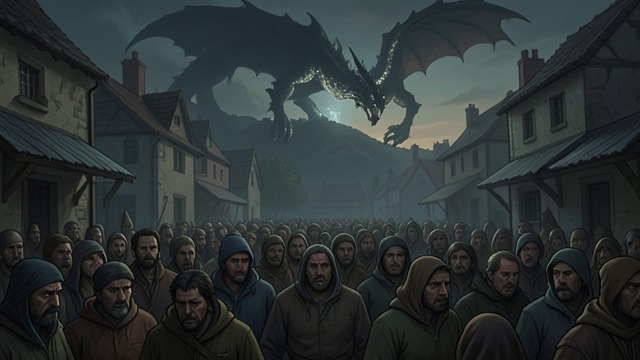
Reports of Dragons and Hippogriffs add to Muggle fears at a time when persecution of wizards is growing. Magical creatures become part of a wider atmosphere in which the unknown is treated as a threat.
Concealment as survival
Rather than recounting the full history of wizard persecution, Newt focuses on the problem creatures faced when wizards had to hide. Their fate becomes bound to the community’s need to convince Muggles that magic does not exist.
Secrecy is therefore presented as a response to danger, not simply a preference for separation. Protecting wizarding life also requires deciding how to protect creatures from exposure.
The 1692 Summit
The 1692 Summit
A collective problem
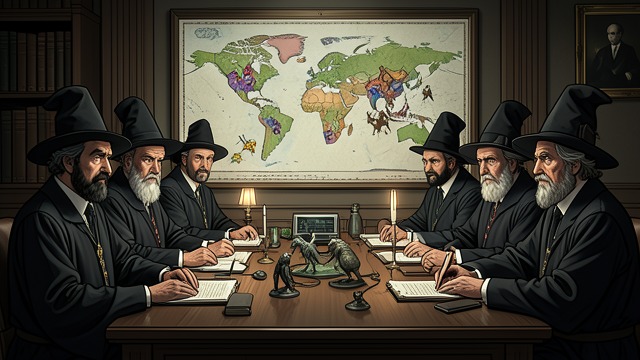
The International Confederation of Wizards devotes seven weeks to debating how magical creatures can be hidden from Muggles. Delegates consider which species to conceal and where they can be kept.
A negotiated decision
Agreement identifies twenty-seven species for concealment, with the number growing as concealment methods improve. Centaurs, Merpeople, and Goblins attend, though the outcome does not satisfy everyone.
The summit makes secrecy a shared international responsibility. It also reveals the difficult scale of the task: creatures differ in size, habits, and willingness to stay hidden.
Clause 73
Clause 73
A standing obligation
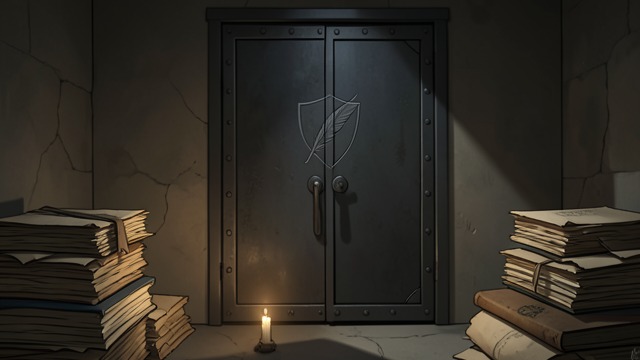
Clause 73 of the International Code of Wizarding Secrecy makes each wizarding governing body responsible for concealing, caring for, and controlling magical creatures within its borders. Harm to or notice from Muggles can bring international discipline.
Local duties, shared standards
The rule turns the summit’s decision into an enduring system of accountability. Concealment is no longer merely an individual wizard’s concern; it belongs to national authorities as well.
This legal framework links creature management to international relations. A breach can expose an entire community, making everyday animal care part of a much larger political responsibility.
Modern Secrecy in Practice
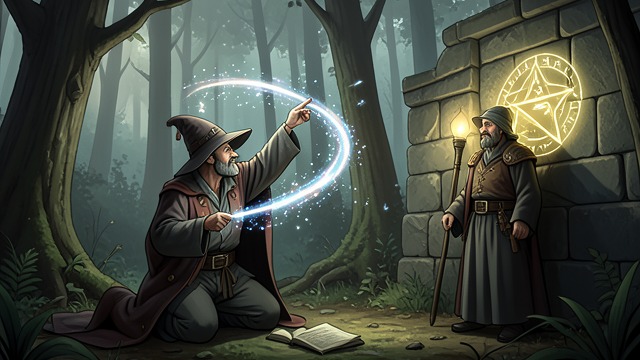
Modern Secrecy in Practice
Layered precautions
Safe habitats, Muggle-Repelling Charms, controls on trade, and Disillusionment Charms limit the chance that conspicuous creatures will be seen. Some places are even made unplottable.
Repair after exposure
When concealment fails, Memory Charms may correct individual sightings, while the Office of Misinformation handles catastrophic events that need a plausible public explanation.
Secrecy emerges as ongoing labour rather than a single law. The system relies on habitat management, owners’ conduct, Ministry intervention, and sometimes the repair of events after they have already occurred.
the Middle Ages
before the wizarding retreat into hiding
1692
1750
after 1750, under established secrecy rules
