Sea Serpent
Fantastic Beasts and Where to Find ThemSea Serpent is a large marine magical creature whose alarming appearance has helped fuel accounts of danger, but the available description draws a sharp distinction between spectacle and documented harm: it is not known to have killed a human. That contrast makes the creature a compact example of how the book separates an animal’s observed nature from the fears and stories surrounding it.
Habitat and Appearance
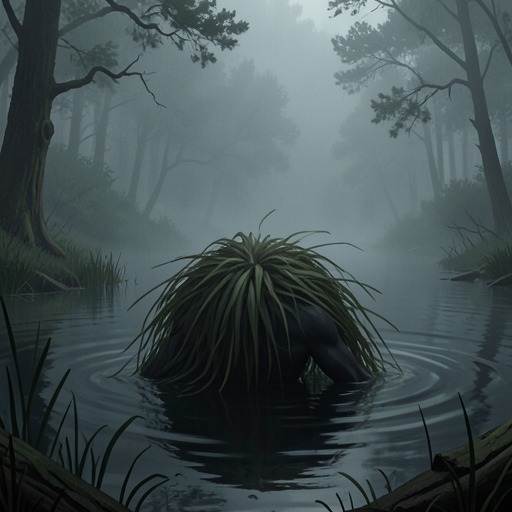
Sea Serpents are found in the Atlantic, Pacific, and Mediterranean seas. They can reach lengths of up to a hundred feet, and their bodies are described as long and snakelike, rising above the sea in humps. Their heads are horselike, an unusual combination that makes the creature seem at once familiar and strange.
The description pairs scale with restraint. A creature that may reach a hundred feet and emerge in a series of humps presents an imposing sight, yet its size and form are not treated as evidence of aggression. The account records where it lives and what it looks like without converting those traits into proof that it attacks people.
Reputation and Human Accounts
Despite its alarming appearance, the Sea Serpent is not known ever to have killed a human. This stated record stands against hysterical Muggle accounts of its ferocious behaviour. The contrast is central to the entry: the reported menace belongs to the stories told about the creature, while the account’s assessment of its known conduct remains notably cautious.
The distinction also fits the book’s broader attention to how magical creatures are classified and managed. Its Ministry material presents a formal system for distinguishing creatures by danger, while this entry demonstrates why appearance alone cannot settle questions of risk. In the Sea Serpent’s case, the evidence supplied emphasizes a gap between public alarm and documented human casualties rather than claiming that every encounter is harmless.
Place in the Book’s Account of Magical Creatures
The Sea Serpent’s entry contributes to a wider catalogue in which magical creatures appear as animals with varied habitats, forms, and relationships to human communities. Other passages describe protected species, trade and breeding controls, and reserved areas where dragons can be studied; the Sea Serpent material, by contrast, concentrates on distribution, physical scale, and the correction of sensational Muggle reports.
That compact emphasis gives the entry its significance. The Sea Serpent is visually formidable, but the text refuses to let a frightening silhouette stand in for a record of violence. Its account instead asks the reader to distinguish what is seen at sea from what is claimed about it.