
Poverty, Parish, and Responsibility
Far from the Madding CrowdThis thematic flow traces the material and social structures that shape Fanny’s vulnerability and the community’s obligations after her death.
increasing Bearing strength in each event
 decreasing
Bearing strength in each eventdecreasingFanny Without Protection
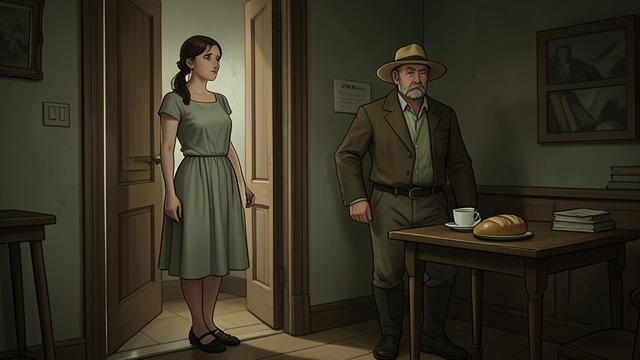
Employment Without Security
A young servant’s position
Fanny has work in Bathsheba’s household but few family resources or independent means. Her private relationship with Troy offers a fragile prospect of security.
Unequal social power
She cannot compel Troy to keep his promise. Her vulnerability is practical as well as emotional, rooted in limited choices.
A Pauper’s Destination
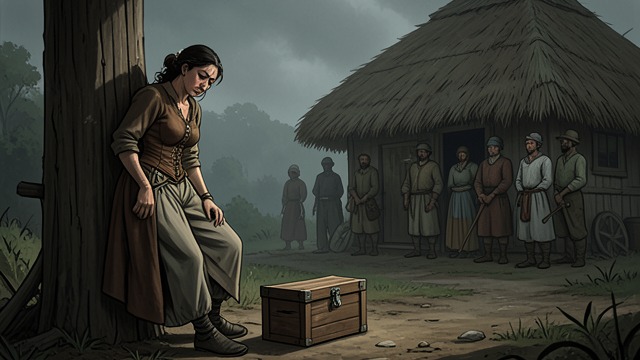
The Union-house
Seeking shelter
Exhausted and ill, Fanny reaches the Union-house after walking a long distance. The institution offers a place to enter, but not the intimate protection she lacks.
A life at the margin
Her admission makes visible the gap between private promises and public relief. The poor are handled through rules and parish arrangements rather than personal histories.
The Parish Burial
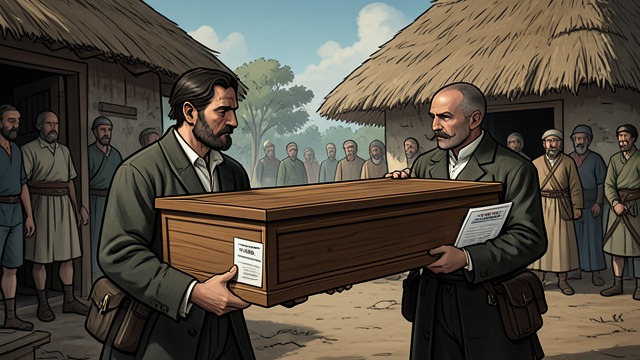
A Body Returned
Administrative procedure
The Union-house sends Fanny’s plain coffin to Weatherbury with a registry certificate. Parish workers prepare to bury her according to official arrangements.
Kindness within limits
Bathsheba supplies flowers and a better wagon, but cannot undo the conditions that brought Fanny there. Charity humanizes the funeral without repairing the system’s failures.
The Child’s Erased Name
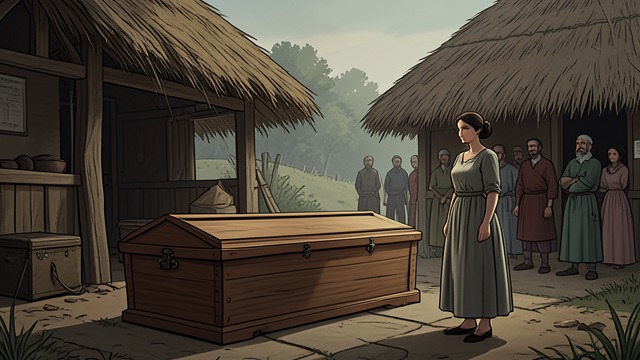
A Secret on the Coffin
Gabriel intervenes
Gabriel removes the words identifying Fanny’s child from the coffin lid. He hopes to protect Bathsheba from immediate pain and scandal.
Truth deferred
His mercy depends on silence and cannot change the underlying facts. The erased inscription anticipates Bathsheba’s discovery and the public consequences of hidden parentage.
A Community Remembers
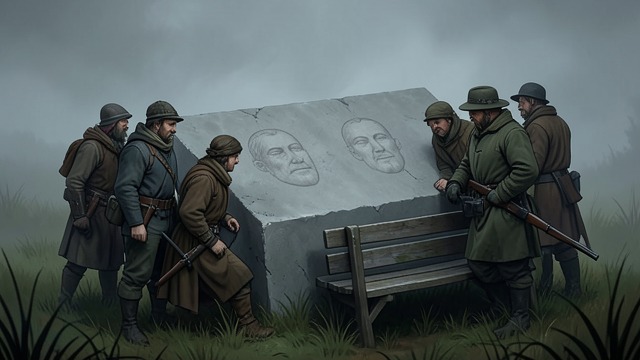
Names on the Tomb
The inscription completed
Bathsheba ensures that the tombstone records Troy’s death alongside Fanny’s. The grave preserves a history that had been obscured during their lives.
Responsibility beyond death
Her actions acknowledge both Fanny and the child without turning the dead into gossip. The community’s memory becomes a form of belated recognition.
before she leaves Weatherbury
the night she reaches Casterbridge
the day after Fanny’s death
the evening before the burial
the summer after Troy’s burial
