
Marriage, Property, and Freedom
Far from the Madding CrowdThis thematic flow examines Bathsheba’s struggle to retain economic agency while love and marriage repeatedly threaten to redefine her position.
increasing Bearing strength in each event
 decreasing
Bearing strength in each eventdecreasingThe Woman in Charge
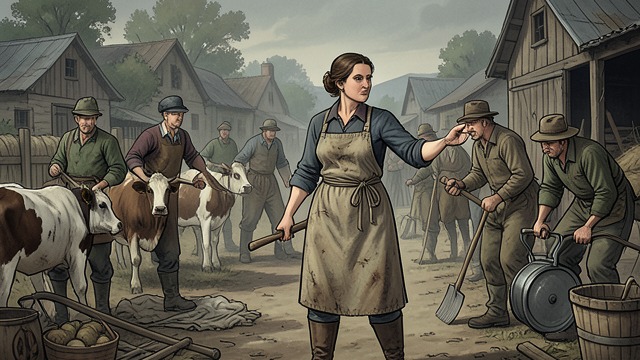
Independent Ownership
Taking authority
Bathsheba chooses to manage the farm with her own hands and head. Her decision rejects the assumption that she requires a male manager.
Freedom with responsibility
She controls labor, livestock, and money, but also bears the risks of running the enterprise. Independence is shown as demanding, not merely symbolic.
A Marriage Proposal as Security
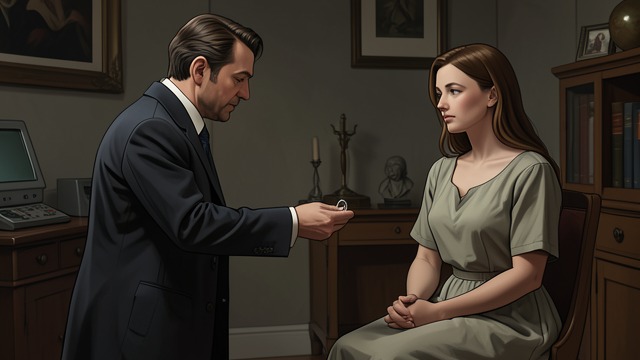
Protection Offered
Boldwood’s terms
Boldwood offers wealth, security, and freedom from farm work if Bathsheba marries him. His offer is generous in material terms but assumes that comfort can substitute for love.
Her refusal
Bathsheba respects him but does not want to surrender her independent life. The proposal exposes the tension between financial safety and self-determination.
The Husband Takes Control
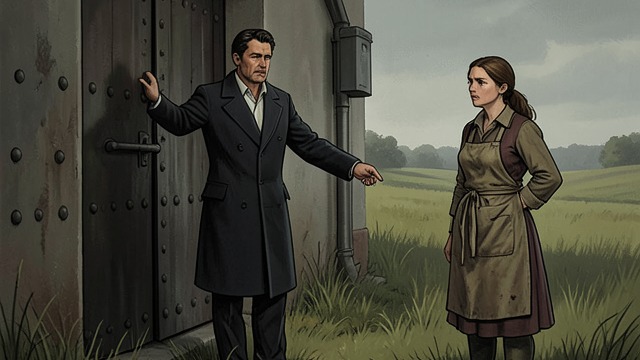
Household Power Shifts
Troy enters the farm
Troy becomes Bathsheba’s husband and uses her resources to purchase his discharge. His status as husband does not translate into responsible management.
Independence diminished
Bathsheba’s money and farm become entangled with Troy’s gambling and neglect. Marriage changes the practical terms of her authority even as she remains the more capable farmer.
A Promise Without Desire

Marriage as Debt
Bathsheba’s obligation
Bathsheba promises Boldwood a possible future marriage because she believes she owes him for past harm. She does not promise from desire.
A compromised freedom
The agreement is voluntary in form but shaped by guilt and fear. It illustrates how a woman’s sense of responsibility can be used to constrain her own choices.
A Chosen Companion

Freedom Reimagined
Returning to work and trust
After grief, Bathsheba fears losing Gabriel, the partner who has supported her without demanding ownership. Their relationship has been tested through practical life.
Marriage on new terms
She accepts Gabriel as a companion rather than a rescuer or claimant. The final union suggests that intimacy need not erase the self that independence formed.
after her uncle’s death
late spring at the sheep-washing
the first months after the secret wedding
the second Christmas Eve
near the conclusion
